

Introduction
Navigating the world of autism evaluation can be both daunting and empowering for parents. Understanding the intricacies of the evaluation process is vital, as early identification of autism spectrum disorders can lead to timely interventions that dramatically enhance a child's development. This article delves into the essential components of autism evaluation, from the key screening and diagnostic tools that help pinpoint needs to the latest trends in assessment technology that are reshaping how families access support.
By equipping themselves with knowledge and resources, parents can advocate effectively for their children, ensuring that every unique need is recognized and addressed in a comprehensive manner.
Understanding the Basics of Autism Evaluation
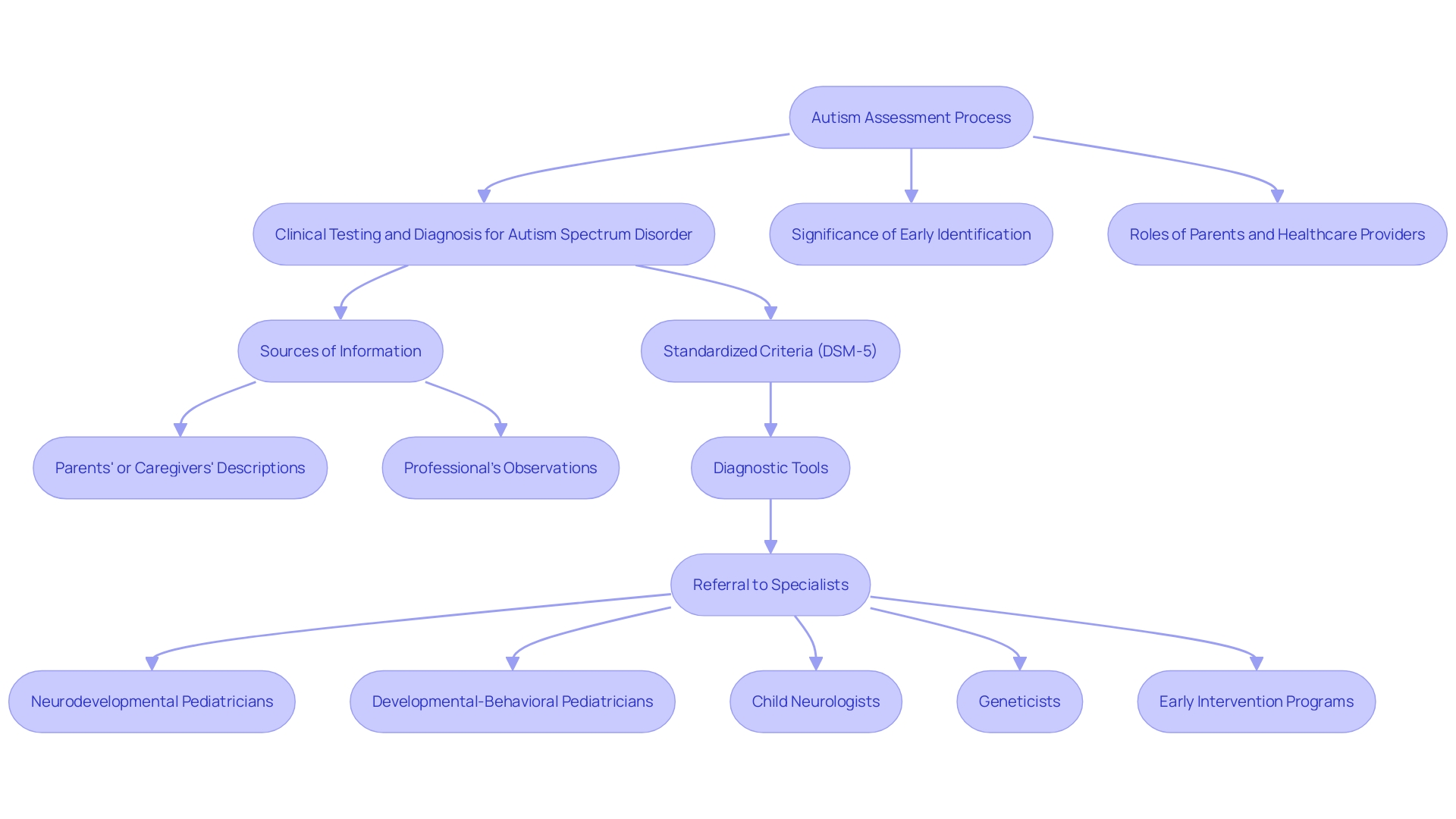
Autism assessment is a comprehensive process aimed at identifying individuals who may be on the autism spectrum. Early identification is crucial, as it leads to timely intervention that can significantly enhance outcomes for young individuals. The review usually includes a mix of:
- Standardized tests
- Parent interviews
- Observations of the young person in different environments
Grasping the fundamentals of developmental assessment enables parents to support their offspring and pursue the essential tests promptly. Moreover, being informed about the assessment process allows parents to engage more effectively with healthcare providers and educators, ensuring that their child's unique needs are recognized and addressed.
Key Screening and Diagnostic Tools for Autism
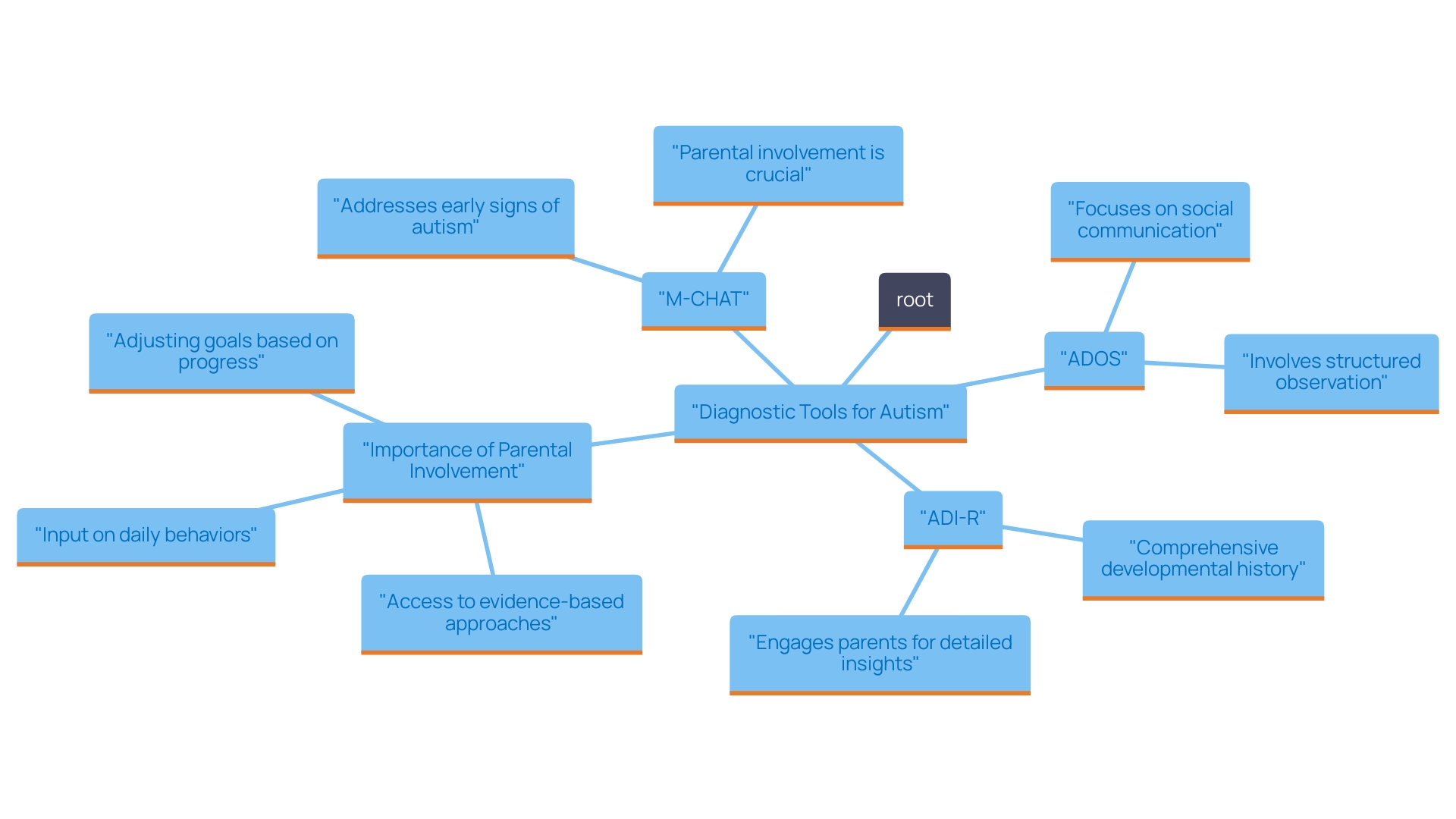
Several screening and diagnostic tools are widely used to assess autism, including:
- the Modified Checklist for Autism in Toddlers (M-CHAT)
- the Autism Diagnostic Observation Schedule (ADOS)
- the Autism Diagnostic Interview-Revised (ADI-R)
These tools concentrate on various facets of behavior and development, enabling a thorough assessment. For instance, the M-CHAT is a parent-report questionnaire that aids in identifying young individuals who may benefit from further evaluation. By becoming acquainted with these tools, parents can actively engage in the assessment process, ensuring that their child's needs are thoroughly analyzed and addressed by professionals.
Emerging Trends and Considerations in Autism Assessment
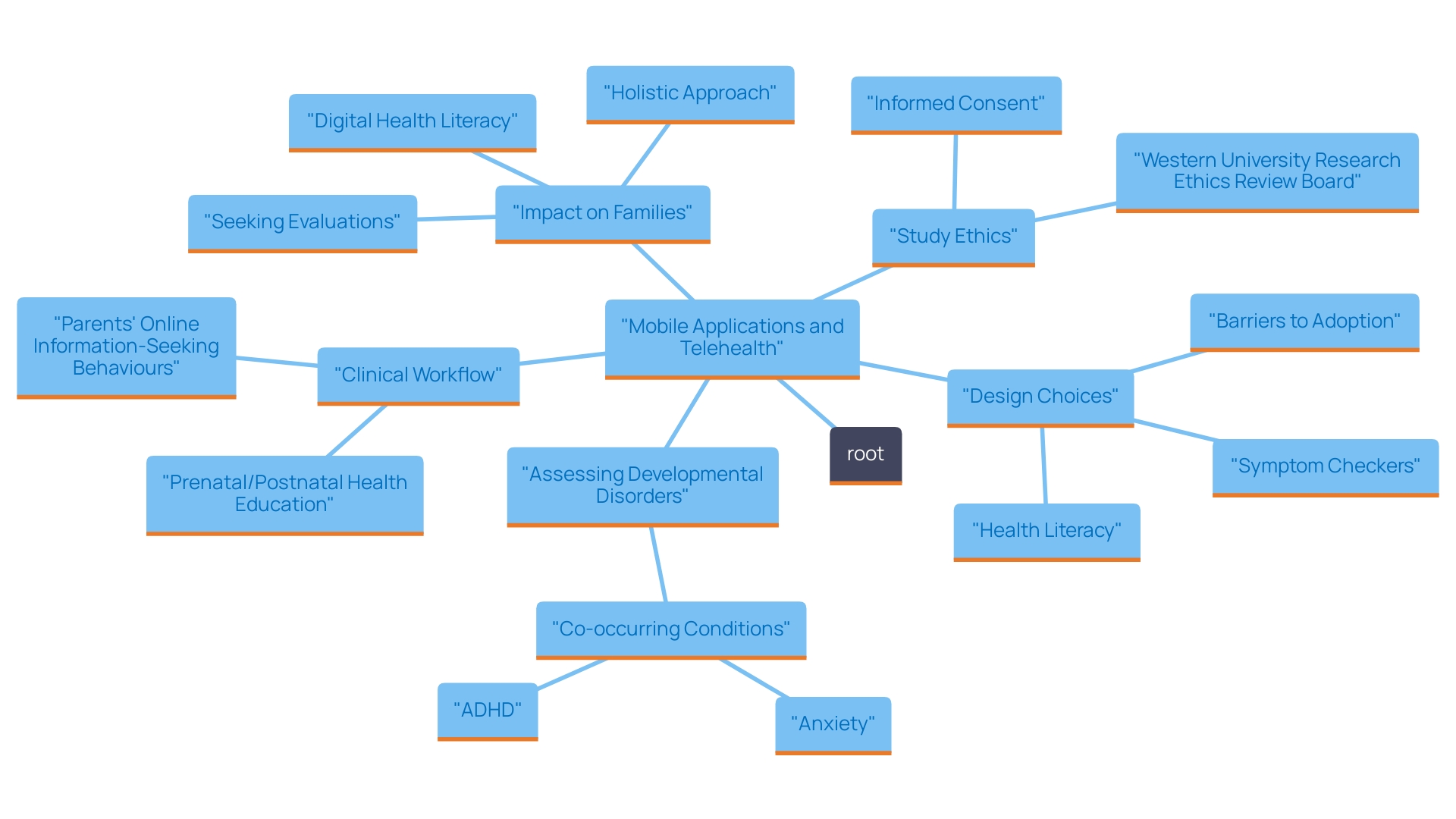
Recent advancements in developmental disorder assessment are marked by the integration of cutting-edge technology, such as mobile applications and telehealth services. These innovations offer new pathways for comprehensive evaluation and support, making it easier for families to access necessary resources. Research indicates that these technologies have proven effective, with telehealth services achieving a correct identification rate of 75% in recent studies involving thousands of cases.
Moreover, there is an increasing emphasis on assessing co-occurring conditions like anxiety and ADHD, which frequently accompany developmental disorders. Dr. Kristiina Tammimies from Karolinska Institutet notes, 'This data set was another research cohort with families containing only one individual with autism and some of the parameters were missing, thus the performance was a bit lower showing that we need to do some more development.' This emphasizes the significance of a holistic approach that considers all facets of a young person's development and challenges.
Case studies demonstrate the impact of these technologies. For instance, the integration of telehealth services has enabled more timely and accurate diagnoses, as evidenced by recent reports highlighting a 40% reduction in wait times for evaluations. Staying informed about these emerging trends, including the anticipated advancements in assessment technology for 2024, empowers parents to advocate for comprehensive assessments that truly reflect their offspring's unique needs and strengths. By leveraging these advancements, parents can ensure that their children receive the most thorough and individualized care possible.
Conclusion
Understanding the autism evaluation process is essential for parents seeking the best outcomes for their children. By familiarizing themselves with the foundational aspects of evaluation, including the various screening and diagnostic tools available, parents can take a proactive role in advocating for their child's needs. Early identification through comprehensive assessments not only opens doors to timely interventions but also enhances the potential for positive developmental trajectories.
Incorporating emerging trends, such as telehealth and innovative assessment technologies, further enriches the evaluation landscape. These advancements provide families with greater access to resources and support while ensuring that evaluations consider co-occurring conditions that often accompany autism. By staying informed about these developments, parents can navigate the complexities of the evaluation process with confidence, ensuring that their child's unique challenges and strengths are comprehensively addressed.
Ultimately, the journey through autism evaluation is one of empowerment and advocacy. Armed with knowledge and resources, parents can champion their children's needs, paving the way for early interventions that significantly enhance their development. Recognizing the importance of this process is the first step toward fostering a supportive environment where every child can thrive.
Frequently Asked Questions
What is the purpose of autism assessment?
Autism assessment is a comprehensive process aimed at identifying individuals who may be on the autism spectrum. Early identification is crucial as it leads to timely intervention that can significantly enhance outcomes for young individuals.
What does the autism assessment process typically include?
The autism assessment process usually includes a mix of standardized tests, parent interviews, and observations of the young person in different environments.
How can understanding the assessment process benefit parents?
Grasping the fundamentals of developmental assessment enables parents to support their children and pursue essential tests promptly. It also allows them to engage more effectively with healthcare providers and educators to ensure their child's unique needs are recognized and addressed.
What are some common screening and diagnostic tools used in autism assessment?
Common tools include the Modified Checklist for Autism in Toddlers (M-CHAT), the Autism Diagnostic Observation Schedule (ADOS), and the Autism Diagnostic Interview-Revised (ADI-R). These tools focus on various facets of behavior and development for thorough assessment.
How does the M-CHAT assist in the assessment process?
The M-CHAT is a parent-report questionnaire that helps identify young individuals who may benefit from further evaluation.
What recent advancements have been made in autism assessment?
Recent advancements include the integration of mobile applications and telehealth services, which provide new pathways for comprehensive evaluation and support, making it easier for families to access necessary resources.
What is the effectiveness of telehealth services in autism assessment?
Research indicates that telehealth services have achieved a correct identification rate of 75% in recent studies involving thousands of cases, demonstrating their effectiveness.
Why is it important to assess co-occurring conditions in autism?
There is an increasing emphasis on assessing co-occurring conditions like anxiety and ADHD, which frequently accompany developmental disorders. A holistic approach considers all facets of a young person's development and challenges.
How have recent technologies impacted wait times for evaluations?
The integration of telehealth services has led to a 40% reduction in wait times for evaluations, enabling more timely and accurate diagnoses.
How can parents stay informed about advancements in autism assessment?
Staying informed about emerging trends and anticipated advancements in assessment technology empowers parents to advocate for comprehensive assessments that reflect their child's unique needs and strengths.
List of Sources
- Understanding the Basics of Autism Evaluation
- elsforautism.org (https://www.elsforautism.org/30-quotes-from-30-people-with-autism/)
- autismspectrumnews.org (https://autismspectrumnews.org/asn-fall-2024-issue/)
- cdc.gov (https://cdc.gov/autism/hcp/diagnosis)
- phxautism.org (https://phxautism.org/resources/what-is-autism)
- Key Screening and Diagnostic Tools for Autism
- ies.ed.gov (https://ies.ed.gov/blogs/research/post/the-impact-of-parent-mediated-early-intervention-on-social-communication-for-children-with-autism)
- kevinmd.com (https://kevinmd.com/2024/09/how-parental-preferences-and-evidence-based-practices-intersect-to-achieve-success-in-intervention-programs.html)
- Emerging Trends and Considerations in Autism Assessment
- finance.yahoo.com (https://finance.yahoo.com/news/autism-spectrum-disorder-asd-therapeutics-114800129.html)
- theguardian.com (https://www.theguardian.com/society/article/2024/aug/19/ai-may-help-experts-identify-toddlers-at-risk-of-autism-researchers-say)
- frontiersin.org (https://frontiersin.org/journals/digital-health/articles/10.3389/fdgth.2023.1212694/full)
- pubmed.ncbi.nlm.nih.gov (https://pubmed.ncbi.nlm.nih.gov/37214490)


