

Introduction
Adults on the autism spectrum often face intense emotional and sensory challenges, including meltdowns. These meltdowns, which can persist into adulthood, differ significantly from ordinary temper tantrums.
However, due to historical misconceptions and inadequate diagnostics, many adults with autism may have mistaken their meltdowns for emotional outbursts. Recognizing the attributes of autistic meltdowns in adults is crucial for delivering knowledgeable and compassionate support.
This article will explore the triggers of meltdowns, differentiate them from temper tantrums, discuss signs of an impending meltdown, offer strategies for supporting autistic adults during meltdowns, and provide long-term management techniques. Additionally, the importance of self-care and support networks for parents and caregivers will be emphasized. By understanding how to navigate meltdowns, adults on the autism spectrum can thrive and lead fulfilling lives.
Understanding Autistic Meltdowns in Adults
Adults on the autism spectrum may at times face intense emotional and sensory challenges. Unlike the more recognized childhood symptoms, the meltdowns experienced by individuals with autism can persist into adulthood, revealing themselves as acute reactions to the onslaught of sensory overload or emotional pressure.
This is a distinct experience that significantly departs from what many would mistake for an ordinary adult temper tantrum. As statistics suggest, 1 in 45 adults in the U.S. are diagnosed with autism, shedding light on just how widespread this condition is.
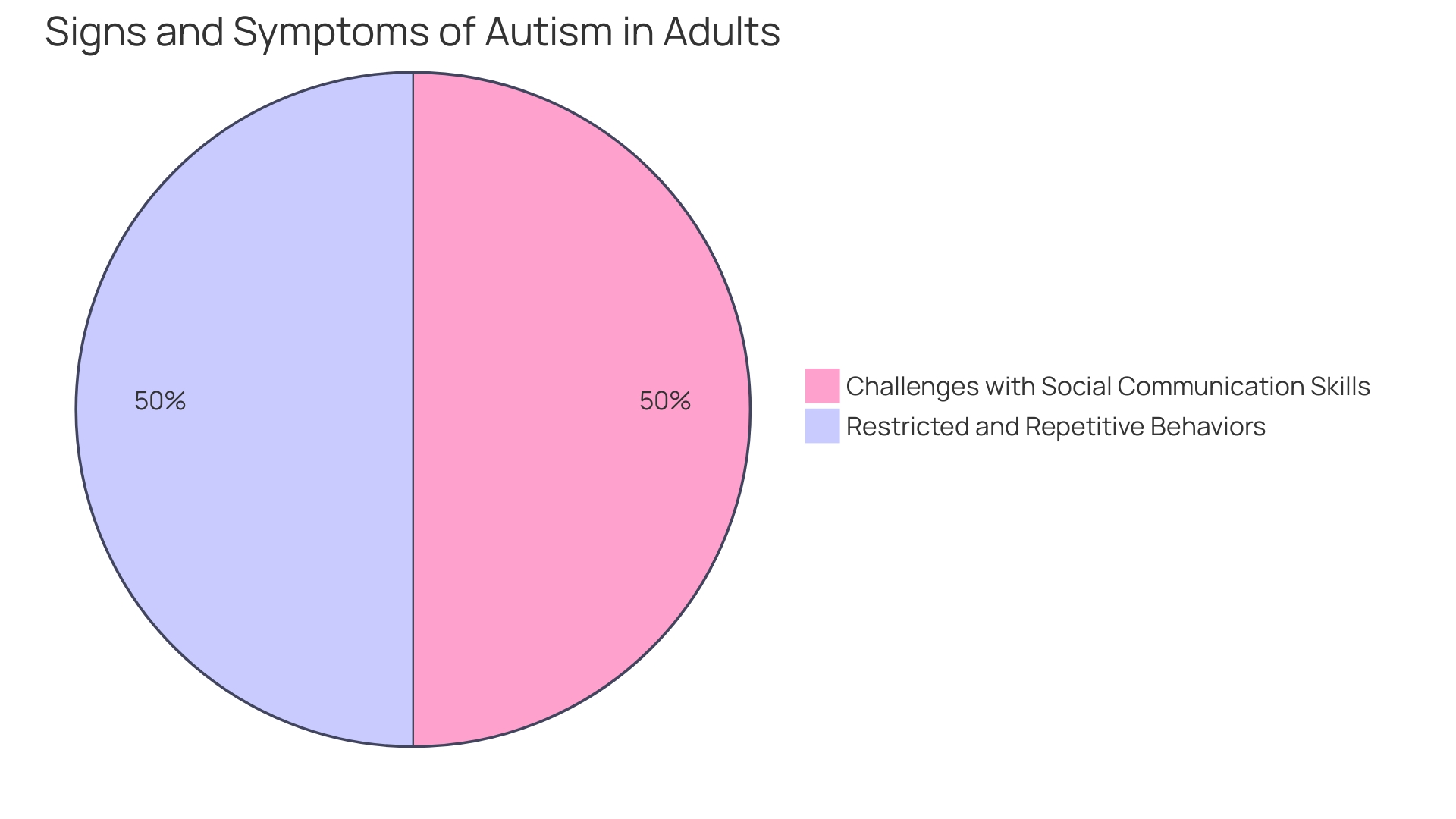
Unfortunately, because of historical misconceptions and inadequate diagnostics, numerous adults might have lived their lives without recognizing their autistic traits, mistaking meltdowns for mere emotional outbursts. Recognizing the attributes of these meltdowns in adults is crucial for delivering knowledgeable and compassionate support. The signs of autism, including challenges in social communication and restricted, repetitive behaviors, manifest in adults just as in children. Awareness of these signs is a critical step for adults who have spent years unknowingly coping with undiagnosed ASD.
Common Triggers of Autistic Meltdowns
Adults diagnosed with autism spectrum disorder (ASD), which affects 1 in 45 individuals in the U.S., may experience intense reactions known as meltdowns. These meltdowns can be prompted by an array of stimuli, with sensory overload topping the list.
Sudden alterations in routines or environments, challenging social encounters, abrupt transitions, and heightened stress can all serve as catalysts. Meltdowns can be quite disconcerting for adults with ASD, often because the individual is navigating a world that may not fully comprehend the complexities of their experiences.
For some, the realization that they have been living with undiagnosed or misdiagnosed autism comes later in life, prompting them to look back at past difficulties through a new lens and recognize them as part of their autism. By familiarizing oneself with the potential initiators of meltdowns, it becomes easier to mitigate their occurrence. This proactiveness is not only about preventing the meltdown itself but also about fostering a clearer understanding and expressing feelings of support towards those managing ASD.
Differentiating Meltdowns from Temper Tantrums
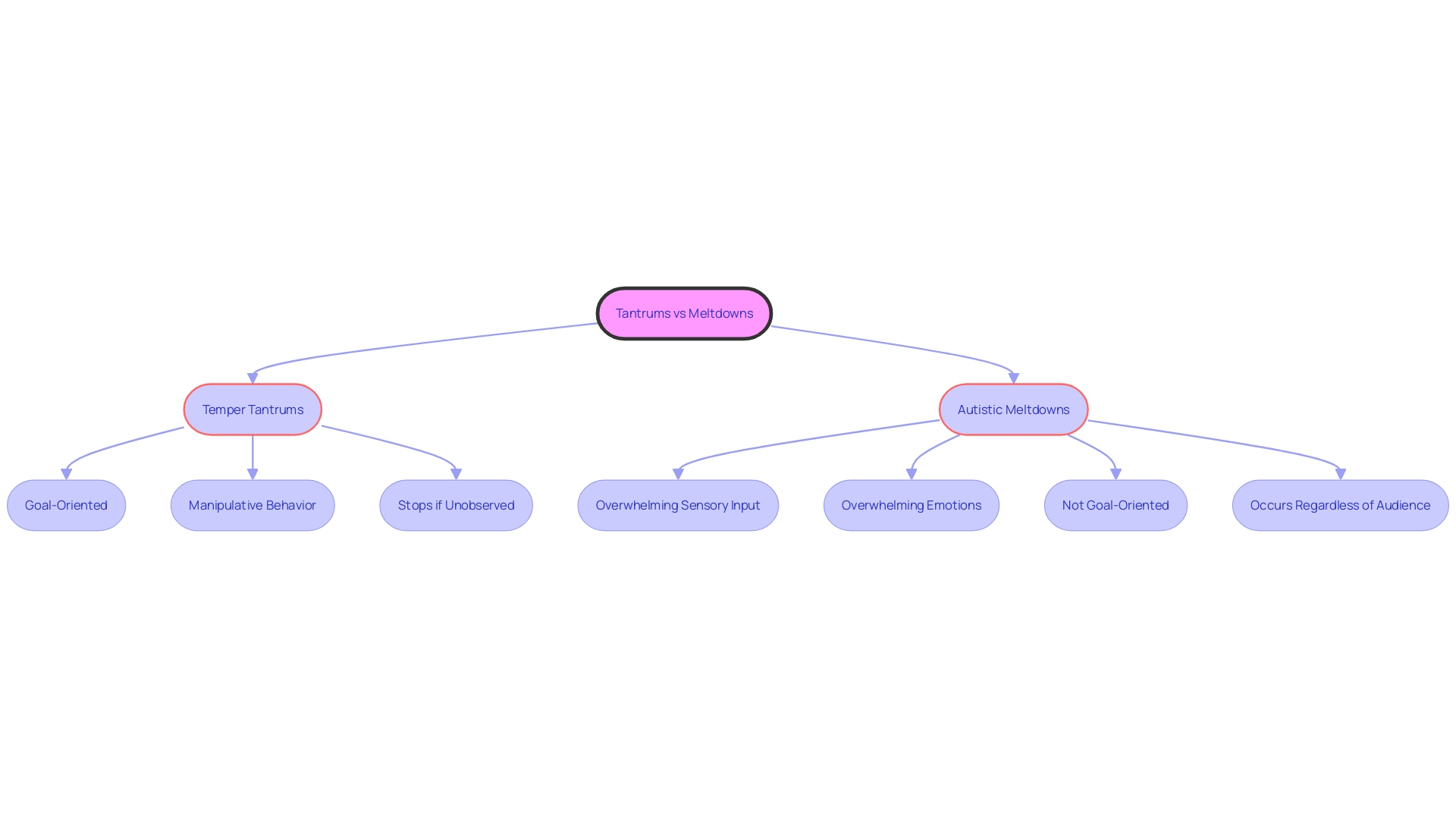
While meltdowns and temper tantrums may exhibit similar outward behaviors, they have different underlying causes and motivations. Unlike temper tantrums, which are typically manipulative and goal-oriented, autistic meltdowns are often a response to overwhelming sensory or emotional experiences. Recognizing the differences between meltdowns and tantrums is crucial for providing appropriate support.
Recognizing Signs of an Impending Meltdown
Identifying early signs of distress in autistic adults is key to averting potential meltdowns. Autistic individuals often exhibit precursor symptoms such as rising agitation and restlessness, an increase in sensitivity to sensory input, difficulties in communicating or expressing oneself, alongside mounting frustration.
These symptoms are red flags that should alert caregivers and loved ones to take swift, supportive action. The prevalence of autism spectrum disorder (ASD) in the adult population is notable, with 1 in 45 adults in the U.S. diagnosed with ASD.
Despite greater societal awareness and advancements in public health education, many adults have either gone undiagnosed or have received an incorrect diagnosis. It’s crucial for adults who suspect they may be on the spectrum to understand that self-identification is valid, and observing one's own behaviors in correlation with the well-documented signs of autism—such as difficulties with social communication and repetitive behaviors—is an accepted approach within the neurodivergent community. A formal medical diagnosis may be inconclusive or unnecessary unless specific support requirements are tied to it. By acknowledging and respecting these behavioral patterns, we pave the way for better self-understanding and tailored interventions that can enhance the well-being of autistic adults.
Strategies for Supporting Autistic Adults During Meltdowns
When an autistic adult is experiencing a meltdown, it is essential to provide them with a calm and safe environment. It is helpful to minimize sensory stimuli, provide a designated quiet space, and offer comfort items if needed.
Communication should be kept simple and clear, and physical contact should be approached with caution. Remaining calm and patient is crucial during these episodes.
Creating a Safe Environment for Meltdown Recovery
Navigating the aftermath of an autistic individual's meltdown requires thoughtful strategies to foster their return to a state of well-being. A meltdown is an intense response to overwhelming situations—it's not a choice or a behavior that can be easily controlled.
Post-meltdown, the person needs a quiet and secure space to decompress, uniquely attuned to their sensory preferences. Activities that resonate with a sense of tranquility, such as listening to soothing music, savoring moments of solitude, or engaging in repetitive, grounding tasks can aid in the necessary process of self-regulation.
Respecting their need for time and providing this without judgment is crucial. When they are ready, a gentle and non-invasive conversation can help process the experience. Reassuring them with a supportive presence solidifies the understanding that they can seek help without fear of reprimand or misunderstanding. It's about adjusting our support to fit their needs, recognizing their right to regain balance in their own way and on their own terms.
Long-term Strategies for Managing Meltdowns
Autistic adults often experience meltdowns as intense responses to overwhelming situations, significantly affecting their daily lives. To support their journey towards self-regulation and resilience, it is crucial to engage in a comprehensive approach that goes beyond immediate assistance.
A primary element involves gathering insights on daily experiences through ecological momentary assessment (EMA), which provides a real-time synopsis of personal experiences and stimuli. By establishing a consistent narrative of day-to-day interactions, caregivers and autistic adults themselves can pinpoint sensory triggers and patterns in behavior.
Acknowledging that each individual has unique mental health needs is the start. This understanding paves the way for personalized strategies that foster mental wellbeing for autistic adults.
Long-term management includes fostering coping mechanisms tailored to their specific challenges. Social narratives, like social stories, and visual aids such as schedules, are practical tools that encourage predictability and structure, helping autistic adults prepare for and navigate triggering scenarios. By methodically examining the intricate dynamics between an individual's internal state and their environment, a strategy that appreciates the complexity of the individual as a whole can be devised. This patient and attentive approach not only mitigates meltdowns but also empowers autistic adults to cultivate a sense of mastery over their own experiences, promoting a more harmonious interaction with the world around them.
The Importance of Self-Care and Support Networks
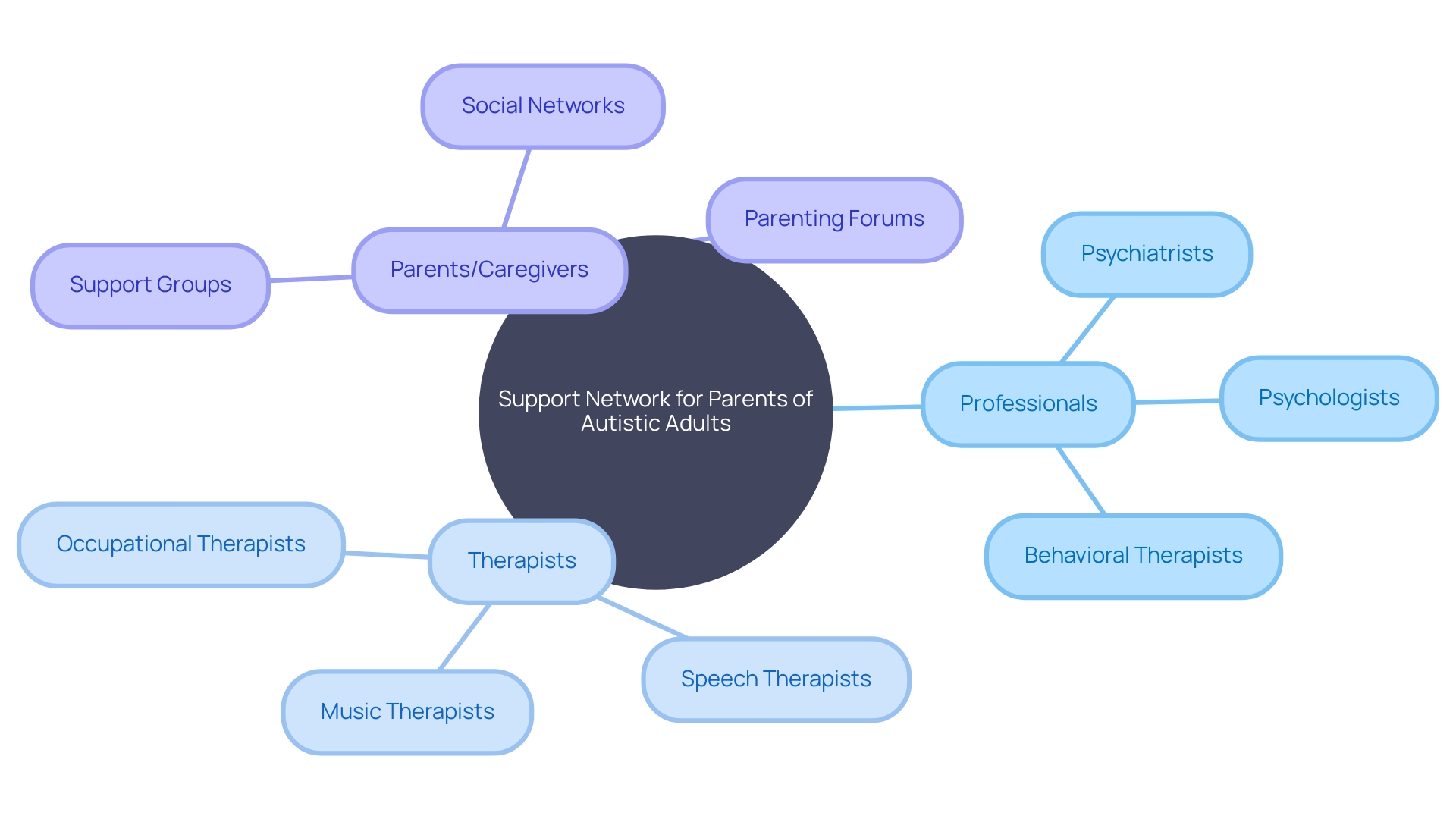
For parents and caregivers supporting autistic adults during meltdowns, self-care is crucial. Taking time to recharge, seeking support from others, and accessing resources and communities can help in managing the challenges associated with meltdowns. Building a strong support network of professionals, therapists, and other parents or caregivers can provide valuable guidance and empathy.
Conclusion
In conclusion, recognizing and understanding meltdowns in adults on the autism spectrum is crucial for providing compassionate support. These meltdowns, triggered by sensory overload and heightened stress, require swift action and a calm environment.
Long-term management involves tailored strategies and self-care for parents and caregivers. By navigating meltdowns with knowledge and empathy, adults on the spectrum can lead fulfilling lives. Together, we can empower them to cultivate resilience and a sense of mastery over their own experiences.
Frequently Asked Questions
What is an autistic meltdown in adults?
An autistic meltdown in adults is an intense response to sensory overload or emotional stress. It is a release of emotional tension that occurs when the individual feels overwhelmed and is different from a typical adult temper tantrum.
Are autistic meltdowns exclusive to children?
No, autistic meltdowns are not exclusive to children. Adults on the autism spectrum can also experience meltdowns.
How common is autism in adults?
Autism is quite common in adults, with statistics indicating that 1 in 45 adults in the U.S. are diagnosed with autism spectrum disorder (ASD).
Can adults have undiagnosed autism?
Yes, many adults may live without recognizing their autistic traits due to historical misconceptions and inadequate diagnostics, which could lead to misinterpreting meltdowns as simple emotional outbursts.
What are common triggers for autistic meltdowns in adults?
Common triggers include sensory overload, sudden changes in routine or environment, difficult social interactions, abrupt transitions, and increased stress levels.
How do autistic meltdowns differ from temper tantrums?
Autistic meltdowns are not goal-oriented and are a response to overwhelming sensory or emotional experiences, whereas temper tantrums are generally manipulative and aimed at achieving a desired outcome.
What are the signs of an impending autistic meltdown?
Early signs include increasing agitation and restlessness, heightened sensitivity to sensory input, communication difficulties, and growing frustration.
Is a formal medical diagnosis always necessary for adults who suspect they are on the autism spectrum?
A formal medical diagnosis may not always be necessary unless there are specific support needs that require it. Self-identification and understanding of one's behaviors in relation to autism signs are valid within the neurodivergent community.
How should one support an autistic adult during a meltdown?
To support an autistic adult during a meltdown, provide a calm and safe environment, minimize sensory stimuli, offer comfort items, communicate simply and clearly, and be cautious with physical contact.
What should be done to help an autistic individual recover after a meltdown?
Post-meltdown, offer a quiet space attuned to the individual's sensory preferences, allow them time to decompress, and when they're ready, engage in a gentle conversation to process the experience.
What are long-term strategies for managing meltdowns in autistic adults?
Long-term strategies include using tools like ecological momentary assessment (EMA) to identify triggers, employing social narratives and visual aids to add structure, and cultivating tailored coping mechanisms.
Why is self-care important for parents and caregivers of autistic adults?
Self-care helps parents and caregivers recharge and manage the challenges associated with supporting autistic adults during meltdowns. It is important for maintaining their own well-being.
How can support networks aid parents and caregivers of autistic adults?
Support networks can offer guidance, resources, and empathy. This network can include professionals, therapists, and other parents or caregivers experienced in dealing with autistic meltdowns.
List of Sources
- Understanding Autistic Meltdowns in Adults
- autismspeaks.org (https://www.autismspeaks.org/signs-autism-adults)
- autismspeaks.org (https://www.autismspeaks.org/signs-autism-adults)
- Common Triggers of Autistic Meltdowns
- autisticwidower.medium.com (https://autisticwidower.medium.com/you-cant-cover-a-21-year-relationship-and-a-3-year-illness-in-a-700-word-story-a0c973a6505a)
- autismspeaks.org (https://www.autismspeaks.org/signs-autism-adults)
- Recognizing Signs of an Impending Meltdown
- autismspeaks.org (https://www.autismspeaks.org/signs-autism-adults)
- mhanational.org (https://mhanational.org/blog/adult-autism-seeking-official-diagnosis)
- Creating a Safe Environment for Meltdown Recovery
- whn.global (https://whn.global/asking-for-safer-precautions/)
- Long-term Strategies for Managing Meltdowns
- bmcpsychiatry.biomedcentral.com (https://bmcpsychiatry.biomedcentral.com/articles/10.1186/s12888-024-05836-7)
- authenticallyemily.uk (https://www.authenticallyemily.uk/blog/autism-and-mental-health-practical-advice-for-managing-your-mental-health)


