

Introduction
Families with autistic children face numerous challenges when it comes to finding suitable housing. However, there are grants available that aim to create high-quality living spaces tailored to the unique needs of individuals with autism. These grants not only provide specialized care and activities but also address the critical shortage of suitable residential options.
In this article, we will explore the importance of these grants in empowering individuals with autism to lead fulfilling lives, as well as understanding the eligibility criteria and how to apply for housing grants. We will also discuss the significance of reasonable accommodations and modifications for creating autism-friendly housing. Additionally, we will explore the financial resources available for renting and buying a home, ensuring that families with unique needs can navigate the financial landscape with confidence.
Understanding Housing Grants for Families with Autism
Families seeking to secure a stable and supportive living environment for their autistic children often face daunting challenges. Grants aimed at creating high-quality living spaces are essential, particularly as thousands of autistic adults require accommodations that cater to their unique needs.
These grants should empower individuals with autism to lead fulfilling lives by establishing connections and fostering relationships within their communities. For instance, inspired by the triumph of Linden Farm—a collaborative effort between the Simon Trust and Surrey County Council—parents are increasingly partnering with local councils to develop supported-living homes.
This innovative approach not only provides specialized care and activities but also addresses the critical shortage of suitable residential options. The urgency of this situation is highlighted by the experiences of parents like Sally Lawrence, who, after being informed that no local housing was available for her son, galvanized a community effort to build a facility that now serves as a model for others.
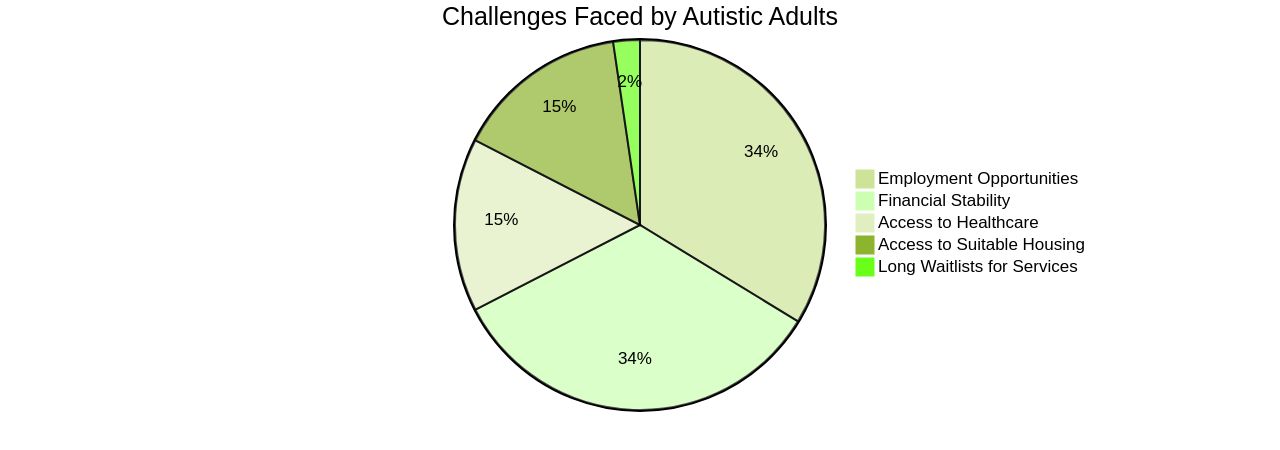
Furthermore, Oxfordshire County Council's investment in the Resonance Supported Homes Fund, which refurbishes properties to create personalized housing solutions, demonstrates a commitment to integrating autistic adults into their local communities. These examples underscore the need for grants that not only improve living environments but also offer avenues for autistic adults to gain and retain employment, crucial for access to healthcare and financial stability. The stark reality is that autistic adults currently face the lowest employment rates among people with disabilities, at 58 percent, leading to significant life challenges. Addressing these issues through targeted grants is not just about providing a roof over one's head; it's about nurturing independence, dignity, and the opportunity for autistic individuals to thrive.
Eligibility Criteria for Housing Grants
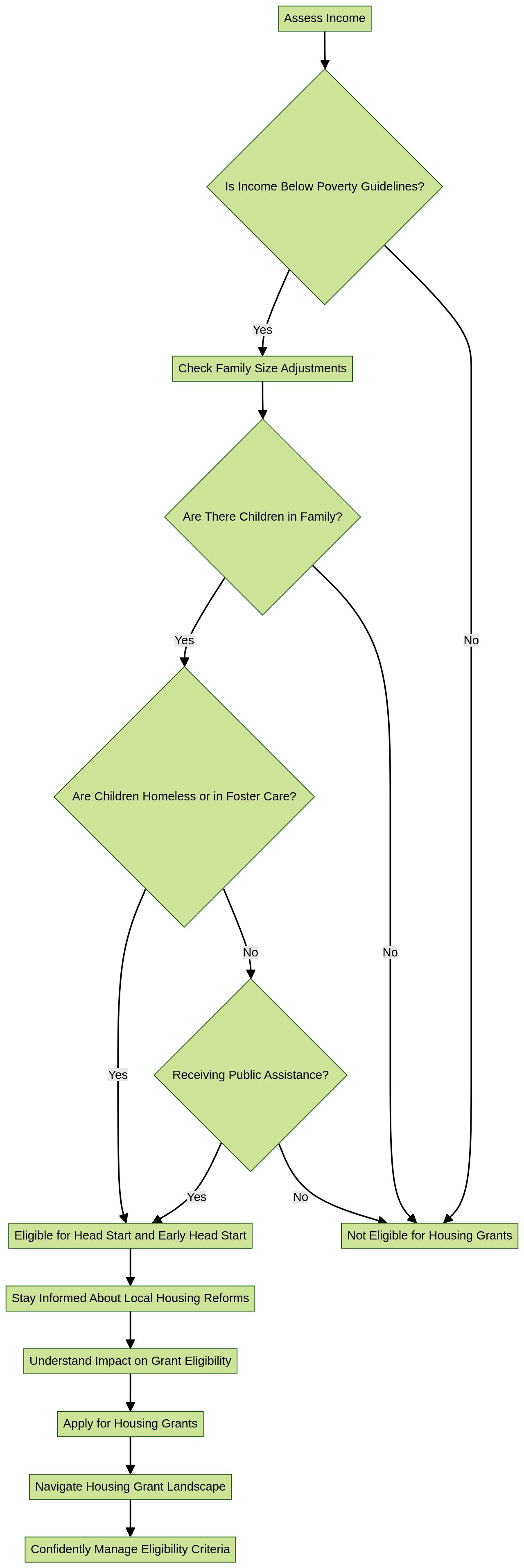
Understanding the criteria for housing grants is a pivotal step in securing the right support for families in need. It's not just about meeting basic requirements; it's about recognizing the specific challenges and opportunities within the community.
Recent initiatives showcase the dynamic approaches to housing. For instance, HUD's research grants to universities aim to dissect the complexities of zoning and building codes, influencing housing availability and affordability.
These studies, like the one by Cornell University, delve into the effects of zoning in major cities, while Purdue University examines building codes as land-use restrictions. This research is crucial for informed policy-making, and for families, it underscores the importance of staying abreast of local housing reforms that may affect grant eligibility.
Moreover, the success stories of tailored housing solutions, like the specially adapted homes in Oxfordshire for adults with learning disabilities and autism, illustrate the potential of targeted grants and partnerships. These homes, part of a vision to help individuals live well within their communities, are a testament to the effectiveness of person-centered housing.
Such developments are made possible by investments like the Resonance Supported Homes Fund, which not only refurbishes properties to bespoke specifications but also enhances their energy efficiency. Eligibility for housing grants goes beyond income and age; it reflects a commitment to fostering connections and supporting diverse needs. Whether it's providing a home that accommodates disabilities or ensuring foster children have a place to call home, understanding these multifaceted criteria is essential. As highlighted by the Citizen Top-Up Grant, households are assessed based on a core family nucleus, emphasizing the importance of stability and support networks during the application and beyond. By recognizing the full spectrum of eligibility conditions, families can better prepare and position themselves to navigate the housing grant landscape with confidence.
Applying for Housing Grants: A Step-by-Step Guide
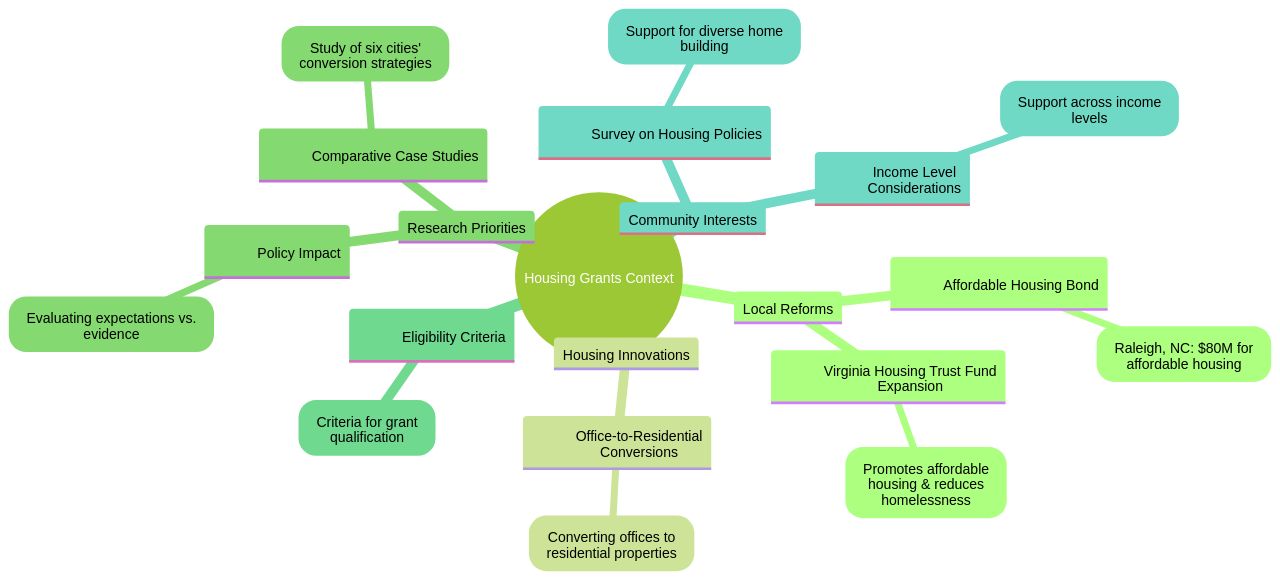
When seeking housing grants, it's not just about filling out an application; it's about understanding the broader context of housing policies and innovations that could influence grant availability and criteria. For example, HUD's recent focus on the impact of zoning on housing supply points to the importance of staying informed about local reforms that could open up new grant opportunities.
Keeping abreast of research, such as the study funded by HUD at Cornell University, can provide insights into how urban planning decisions might affect housing grant programs. Families must also consider the different types of housing innovations that grants may support.
With HUD's emphasis on off-site construction as a means to make housing more affordable and resilient, applicants might explore grants that encourage these building technologies. The Innovative Housing Showcase, which presented such solutions, is a testament to the evolving landscape of housing grants.
Moreover, the availability of grant funds to study office-to-residential conversions since COVID-19 underscores the need for applicants to tailor their proposals to align with current research priorities and societal shifts. This could be particularly important for families looking to convert spaces into livable homes.
Applicants should take note of recent expansions to assistance programs, like the First-Time Homebuyer Assistance Program in Long Beach, which now offers increased grant amounts and broader eligibility. With applications processed on a first-come, first-served basis, timeliness and accuracy in submission are crucial. Additionally, understanding the income limits for affordable housing units, as in NYC, and the ability to apply without a SSN or ITIN, can make a significant difference in eligibility. Finally, successful grant applications often reflect a nuanced understanding of the community's needs and priorities. As evidenced by public feedback valuing pickleball courts over shelter expansion, aligning proposals with community interests can be vital. Therefore, families should thoroughly research and prepare their applications, considering the broader housing context, to maximize their chances of securing a grant that meets their specific needs.
Reasonable Accommodations and Modifications for Autism-Friendly Housing
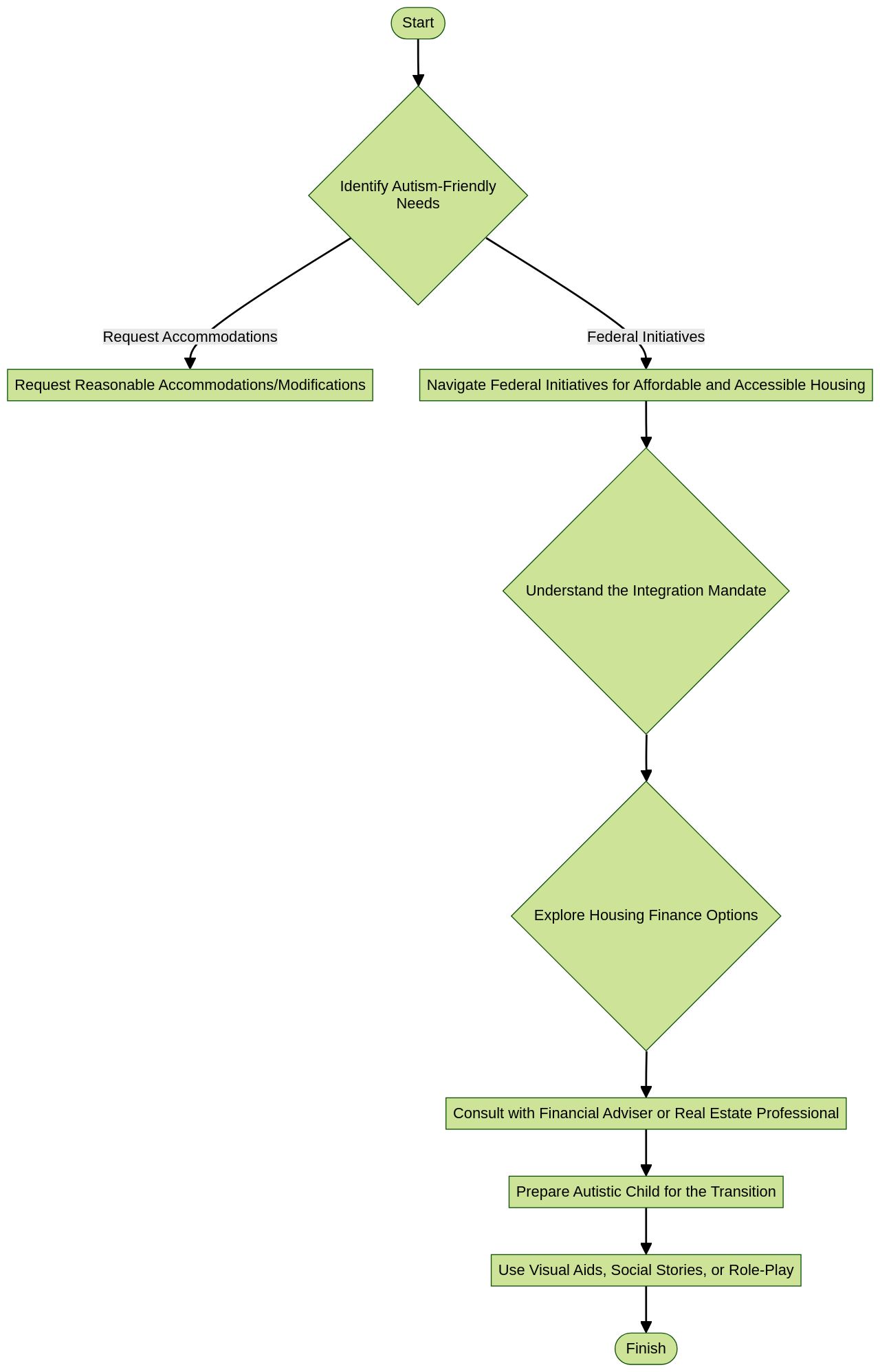
Fostering an autism-friendly living space is not just about comfort—it's about creating a supportive environment that allows individuals with autism to thrive. The Westchester County Fair Housing Law and the Federal Fair Housing Act empower families to request reasonable accommodations or modifications, which are essential in alleviating the symptoms of autism and providing a fair opportunity to enjoy their homes. These can range from reassigning parking spaces for better access to permitting assistance animals for emotional support.
In the face of a housing market that often presents barriers—such as a dearth of suitable units and discriminatory practices—federal initiatives are taking a stand. The U.S. Department of Housing and Urban Development is dedicating $212 million to the Section 811 Supportive Housing for Persons with Disabilities program, aiming to increase the supply of affordable, accessible housing. This financial boost is a beacon of hope, especially for low-income individuals with disabilities, illuminating the path to a more inclusive housing landscape.
Moreover, the Ada's integration mandate, as highlighted by the U.S. Department of Justice, underlines the necessity for services that enable people with disabilities to live in the most integrated setting. This is not just a legal requirement but a commitment to the dignity and independence of every individual. By being informed about these rights and resources, families can confidently navigate the process of making their homes autism-friendly, ensuring their loved ones can live with independence and dignity.
Financial Resources for Renting and Buying a Home
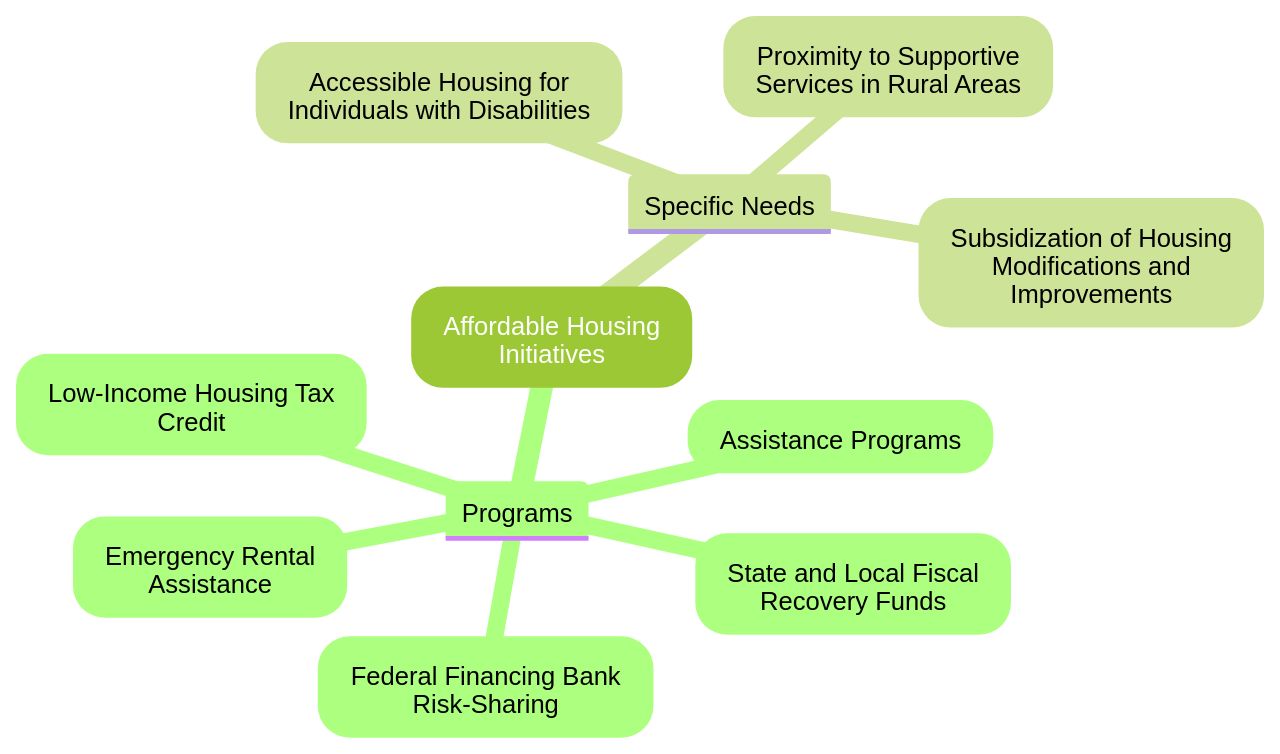
Navigating the financial landscape for housing can be challenging, particularly for families with unique needs. Fortunately, there are avenues such as the Low-Income Housing Tax Credit (LIHTC) and down payment assistance programs that can provide critical help.
These programs are part of a broader effort by the Treasury Department to increase affordable housing supply and security for all Americans. For instance, the updated guidance for the State and Local Fiscal Recovery Funds (SLFRF) program is set to drive investments to create and improve affordable housing stock, while the Emergency Rental Assistance (ERA) program clarifies that funds can be used for a wide range of affordable housing services for very low-income families.
Additionally, the Federal Financing Bank (FFB) has extended financing support for a risk-sharing initiative to reduce the cost of creating and preserving affordable housing. For individuals with disabilities, the need for accessible housing is acute.
Supports such as caregivers or In-Home Supportive Services (IHSS) can enable many to live independently. Yet, in rural areas, challenges like proximity to supportive services can be a barrier. Subsidization of housing modifications and improvements in the auditing of discriminatory practices are essential steps toward making housing more accessible. These actions are all part of a concerted effort to bolster housing supply and address the needs of diverse populations, including those with disabilities, the elderly, and low-income families.
Conclusion
In conclusion, housing grants are crucial for families with autistic children, providing specialized care and addressing the shortage of suitable options. These grants empower individuals with autism to lead fulfilling lives by fostering connections within their communities. Understanding eligibility criteria is essential when seeking housing grants.
Staying informed about local reforms enhances the chances of securing grants that meet specific needs. When applying for housing grants, consider the broader context of policies and innovations. Timeliness and accuracy in submission are key, along with aligning proposals with community interests.
Reasonable accommodations and modifications are vital for creating autism-friendly living spaces. Federal initiatives aim to increase accessible housing supply. Navigating the financial landscape can be challenging, but resources like LIHTC and down payment assistance programs provide critical help.
Efforts to improve affordability are underway. Overall, by leveraging grants, understanding eligibility criteria, applying strategically, making accommodations, and accessing financial resources, families can navigate challenges confidently. These efforts secure suitable living spaces and empower individuals with autism to thrive within their communities.
Frequently Asked Questions
What are housing grants and why are they important for families with autistic members?
Housing grants are funds provided to assist families in creating high-quality living spaces that cater to the unique needs of autistic individuals. They are crucial for empowering these individuals to lead fulfilling lives, establish connections within their communities, and have access to specialized care and activities.
What challenges do autistic adults face in terms of housing and employment?
Autistic adults often struggle with a critical shortage of suitable residential options and face the lowest employment rates among people with disabilities at 58%. This leads to significant life challenges such as limited access to healthcare and financial instability.
How are local councils and communities responding to the housing needs of autistic adults?
Local councils and communities are partnering to develop supported-living homes and investing in funds like the Resonance Supported Homes Fund to refurbish properties and create personalized housing solutions. These efforts are aimed at integrating autistic adults into local communities and improving their quality of life.
What is the eligibility criteria for housing grants?
Eligibility for housing grants extends beyond income and age. It encompasses a commitment to fostering connections and supporting diverse needs within the community. Criteria include recognizing specific challenges and opportunities, and may be influenced by local housing reforms.
How can families apply for housing grants?
Families should stay informed about housing policies and innovations that could influence grant availability, research societal shifts and current research priorities, and align their proposals with community interests. Accurate and timely submission of applications, understanding income limits, and reflecting a nuanced understanding of community needs are vital for a successful grant application.
What are reasonable accommodations and modifications in autism-friendly housing?
Reasonable accommodations and modifications are adjustments or alterations to living spaces that help alleviate the symptoms of autism and allow individuals to enjoy their homes. These can include changes like reassigning parking spaces, permitting assistance animals for emotional support, and ensuring accessibility.
What financial resources are available for renting and buying a home for families with autistic members?
Financial resources include the Low-Income Housing Tax Credit (LIHTC), down payment assistance programs, the State and Local Fiscal Recovery Funds (SLFRF) program to create and improve affordable housing, and the Emergency Rental Assistance (ERA) program. These programs aim to increase the affordable housing supply and provide services for very low-income families.
How does the Federal Financing Bank (FFB) support affordable housing?
The FFB provides financing support for risk-sharing initiatives that reduce the cost of creating and preserving affordable housing. This support is part of a broader effort to address housing needs for diverse populations, including individuals with disabilities, the elderly, and low-income families.
What challenges do individuals with disabilities face in rural areas regarding housing?
In rural areas, challenges for individuals with disabilities include the proximity to supportive services and the need for housing modifications. Efforts are being made to subsidize housing modifications and improve the auditing of discriminatory practices to make housing more accessible for all.
How is the housing grant landscape evolving to meet the needs of autistic individuals and their families?
The housing grant landscape is evolving with initiatives that emphasize community integration, person-centered housing solutions, and investments that reflect a commitment to dignity and independence for autistic individuals. This includes federal and local investments, research into housing policy reforms, and community-driven housing projects.
List of Sources
- Understanding Housing Grants for Families with Autism
- nextforautism.org (https://nextforautism.org/our-work/grants-and-guidelines/grant-guidelines-2024-grant-cycle/)
- autismspeaks.org (https://www.autismspeaks.org/advocacy-news/advocating-those-severe-intense-and-challenging-behaviors)
- theguardian.com (https://www.theguardian.com/society/2023/jul/10/we-were-inundated-creating-pioneering-homes-for-autistic-young-adults)
- news.oxfordshire.gov.uk (https://news.oxfordshire.gov.uk/first-tenants-welcomed-to-housing-programme-that-supports-adults-with-additional-needs/)
- respectability.org (https://www.respectability.org/2023/12/autistic-support-services/)
- respectability.org (https://www.respectability.org/2023/12/autistic-support-services/)
- gov.uk (https://www.gov.uk/government/publications/the-buckland-review-of-autism-employment-report-and-recommendations/the-buckland-review-of-autism-employment-report-and-recommendations)
- journals.sagepub.com (https://journals.sagepub.com/doi/10.1177/13623613241236110)
- Eligibility Criteria for Housing Grants
- autismspeaks.org (https://www.autismspeaks.org/advocacy-news/advocating-those-severe-intense-and-challenging-behaviors)
- hud.gov (https://www.hud.gov/press/press_releases_media_advisories/hud_no_23_124)
- hud.gov (https://www.hud.gov/press/press_releases_media_advisories/hud_no_24_036)
- news.oxfordshire.gov.uk (https://news.oxfordshire.gov.uk/first-tenants-welcomed-to-housing-programme-that-supports-adults-with-additional-needs/)
- hdb.gov.sg (https://www.hdb.gov.sg/residential/buying-a-flat/understanding-your-eligibility-and-housing-loan-options/flat-and-grant-eligibility/couples-and-families)
- hdb.gov.sg (https://www.hdb.gov.sg/cs/infoweb/residential/buying-a-flat/understanding-your-eligibility-and-housing-loan-options/flat-and-grant-eligibility/couples-and-families)
- eclkc.ohs.acf.hhs.gov (https://eclkc.ohs.acf.hhs.gov/ersea/articulo/poverty-guidelines-determining-eligibility-participation-head-start-programs)
- nextforautism.org (https://nextforautism.org/our-work/grants-and-guidelines/grant-guidelines-2024-grant-cycle/)
- eclkc.ohs.acf.hhs.gov (https://eclkc.ohs.acf.hhs.gov/ersea/articulo/poverty-guidelines-determining-eligibility-participation-head-start-programs)
- Applying for Housing Grants: A Step-by-Step Guide
- news.oxfordshire.gov.uk (https://news.oxfordshire.gov.uk/first-tenants-welcomed-to-housing-programme-that-supports-adults-with-additional-needs/)
- longbeach.gov (https://longbeach.gov/lbcd/hn/lbhomegrant/)
- nyfa.org (https://www.nyfa.org/blog/finding-an-affordable-place-to-live-a-conversation-with-entertainment-community-fund-housing-specialist-randy-peralta/)
- stats.govt.nz (https://www.stats.govt.nz/information-releases/child-poverty-statistics-year-ended-june-2023/)
- acf.hhs.gov (https://www.acf.hhs.gov/cb/grant-funding/fy-2023-discretionary-grant-awards)
- hud.gov (https://www.hud.gov/press/press_releases_media_advisories/hud_no_23_124)
- hud.gov (https://www.hud.gov/program_offices/spm/gmomgmt/grantsinfo/fundingopps/hudrd)
- mcsweeneys.net (https://www.mcsweeneys.net/articles/thank-you-for-submitting-your-homeless-shelter-application-but-weve-decided-to-use-city-funds-for-thirty-five-new-pickleball-courts-instead)
- blog.candid.org (https://blog.candid.org/post/what-to-do-after-grant-proposal-rejection-questions-for-funders/)
- urban.org (https://www.urban.org/research/publication/local-and-state-policies-improve-access-affordable-housing)
- hfront.org (https://hfront.org/2024/05/23/homeowners-renters-and-households-of-all-incomes-back-housing-reforms/)
- hud.gov (https://www.hud.gov/program_offices/spm/gmomgmt/grantsinfo/fundingopps/hudrd)
- Reasonable Accommodations and Modifications for Autism-Friendly Housing
- disabilityscoop.com (https://www.disabilityscoop.com/2023/10/31/feds-earmark-212-million-to-improve-disability-housing/30609/)
- fox5ny.com (https://www.fox5ny.com/news/housing-in-nj-to-provide-independent-lifestyle-for-autistic-adults)
- respectability.org (https://www.respectability.org/2023/12/autistic-support-services/)
- ada.gov (https://www.ada.gov/resources/olmstead-employment-qa/)
- nytimes.com (https://www.nytimes.com/2023/07/16/realestate/home-accessible-tips-wheelchair.html)
- humanrights.westchestergov.com (https://humanrights.westchestergov.com/fair-housing/disability-discrimination-in-housing)
- nlc.org (https://www.nlc.org/article/2023/08/17/housing-for-individuals-with-disabilities/)
- ada.gov (https://www.ada.gov/topics/community-integration/)
- rockfordisability.com (https://rockfordisability.com/2023/07/20/6-tips-to-simplify-the-moving-house-process-when-you-have-an-autistic-child/)
- Financial Resources for Renting and Buying a Home
- nytimes.com (https://www.nytimes.com/interactive/2024/03/21/realestate/21hunt-zero.html)
- latimes.com (https://www.latimes.com/opinion/story/2023-07-30/los-angeles-housing-costs-first-time-buyer-programs)
- pubmed.ncbi.nlm.nih.gov (https://pubmed.ncbi.nlm.nih.gov/37252288)
- reinvestment.com (https://www.reinvestment.com/insights/housing-funding-in-philadelphia-evaluating-the-impact-of-public-spending/)
- gao.gov (https://www.gao.gov/products/gao-23-105458)
- hcd.ca.gov (https://www.hcd.ca.gov/policy-and-research/intersectional-policy-work/people-disabilities)
- nlc.org (https://www.nlc.org/article/2023/08/17/housing-for-individuals-with-disabilities/)
- rockfordisability.com (https://rockfordisability.com/2023/07/20/6-tips-to-simplify-the-moving-house-process-when-you-have-an-autistic-child/)
- autismspeaks.org (https://www.autismspeaks.org/advocacy-news/advocating-those-severe-intense-and-challenging-behaviors)
- tcf.org (https://tcf.org/content/commentary/broken-systems-take-a-toll-on-a-neurodivergent-family/)
- home.treasury.gov (https://home.treasury.gov/news/press-releases/jy2156)
- habitat.org (https://www.habitat.org/costofhome/impact)


