

Introduction
Understanding Autism Spectrum Disorder
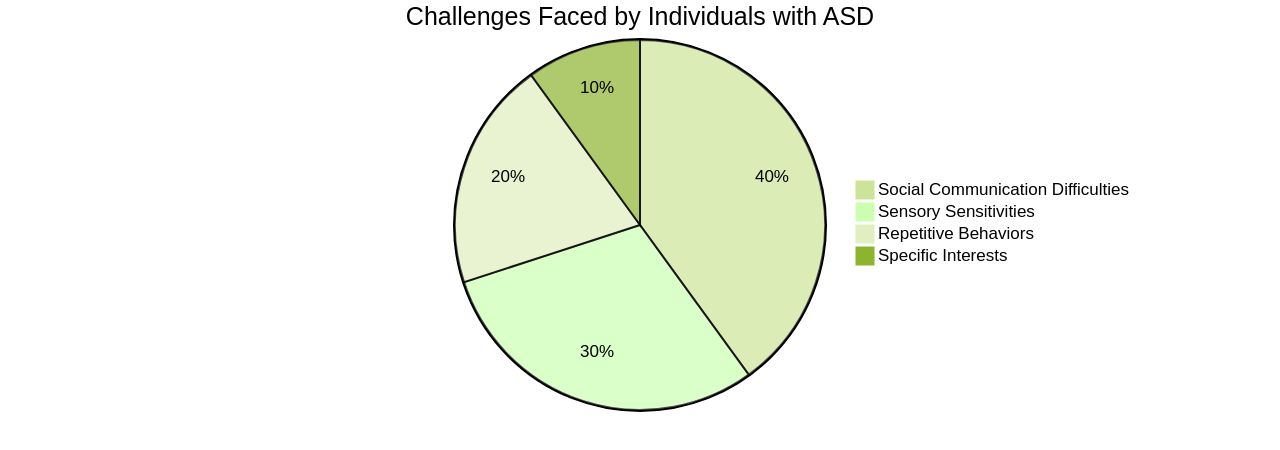
Autism Spectrum Disorder (ASD) presents a spectrum of challenges that are as unique as the individuals themselves. Tailoring autism therapy to each person's needs is vital for fostering their growth and independence.
This article explores the potential of personalized approaches in autism therapy, the societal impacts of ASD, the importance of early intervention, and the role of Applied Behavior Analysis (ABA) therapy. It also discusses the creation of a comprehensive therapy plan and strategies for lasting progress in child autism therapy. If you're a Parent Advocate looking for guidance and resources to navigate the challenges of raising a child with autism, this article is for you.
Understanding Autism Spectrum Disorder
Autism Spectrum Disorder (ASD) presents a spectrum of challenges that are as unique as the individuals themselves. Tailoring autism therapy to each person's needs is vital for fostering their growth and independence. A poignant example is a five-year-old boy with ASD who underwent 26 sessions of ILF neurofeedback over six months.
His progress was meticulously tracked, revealing significant behavioral improvements. This case, along with others, demonstrates the potential for personalized approaches in autism therapy, despite the current lack of large-scale, double-blind studies to validate such treatments. The complexity of autism extends beyond the individual to societal impacts.
With one in 36 children affected by autism in the United States, the demand for specialized services like Applied Behavior Analysis (ABA) is surging. ABA is recognized as an evidence-based approach, and its intensive nature typically results in higher reimbursement opportunities due to the extensive hours of therapy required weekly. Addressing the behavioral and educational needs of individuals with ASD is critical, especially during disruptions like the COVID-19 pandemic, which saw a spike in behavioral issues among those with autism.
Recognizing the importance of longitudinal research, recent studies are exploring the intriguing connection between the microbiome and autism, providing new insights that could lead to innovative treatments. Furthermore, it's essential to acknowledge the strengths that many with ASD possess, including a keen sense of justice, attention to detail, and deep expertise in specific areas. As we work towards a more inclusive society, it's crucial to understand the diverse experiences of those with autism and to provide support that resonates with their unique view of the world.
Importance of Early Intervention
The significance of starting autism therapy at the earliest stage cannot be overstated. It is widely agreed upon by professionals that key elements like treatment intensity, family engagement, and a focus on generalization are critical.
Nevertheless, the autism intervention realm is marked by a diversity of programs, each with its own philosophy, and a concerning scarcity of comparative research. This is particularly true for programs targeting the crucial developmental window from birth to 3 years of age.
Despite some published outcome data, the gap in empirical studies that compare these programs remains. Micheal Sandbank, PhD, raises a critical point about the current state of evidence supporting early interventions.
His comprehensive meta-analysis reveals that many studies in the field are of low quality, which inadvertently shapes intervention recommendations and child outcomes. Sandbank warns of the potential negative impacts of such interventions, which are not well-monitored for adverse effects. As autism diagnoses become more prevalent, the industry standard has become early intensive behavioral intervention, often involving 20-40 hours of one-on-one support weekly. However, this 'gold standard' is based on a landscape where empirical evidence is still emerging, and families must navigate these options with limited information on their comparative effectiveness or availability.
Applied Behavior Analysis (ABA) Therapy
While Applied Behavior Analysis (ABA) therapy is a recognized approach for autism treatment, focusing on behavioral modification to enhance social and communicative abilities, it's essential to acknowledge that ABA is not a one-size-fits-all solution. The therapy's intensity, often recommended at over 30 hours per week, raises concerns regarding the family's financial burden, privacy, and time for other activities, potentially straining familial and marital relationships.
Moreover, clinic-based ABA can limit parental involvement and may not ensure that improvements carry over to other settings. The therapy-life balance is crucial for all family members.
Contrary to the 'more is better' notion, evidence suggests that some individuals with autism may fare better with less intensive treatment, emphasizing the importance of tailoring ABA to each child's unique needs and life quality goals. While the first randomized controlled trial for toddlers with ASD showed gains in various developmental areas, the experiences of those undergoing ABA are mixed, with some reporting negative effects. This underscores the need for more nuanced evaluations of ABA's long-term benefits and potential drawbacks. It's critical to consider the diversity of autism spectrum disorders and the individual characteristics of each child when designing and implementing ABA interventions.
Creating a Comprehensive Therapy Plan
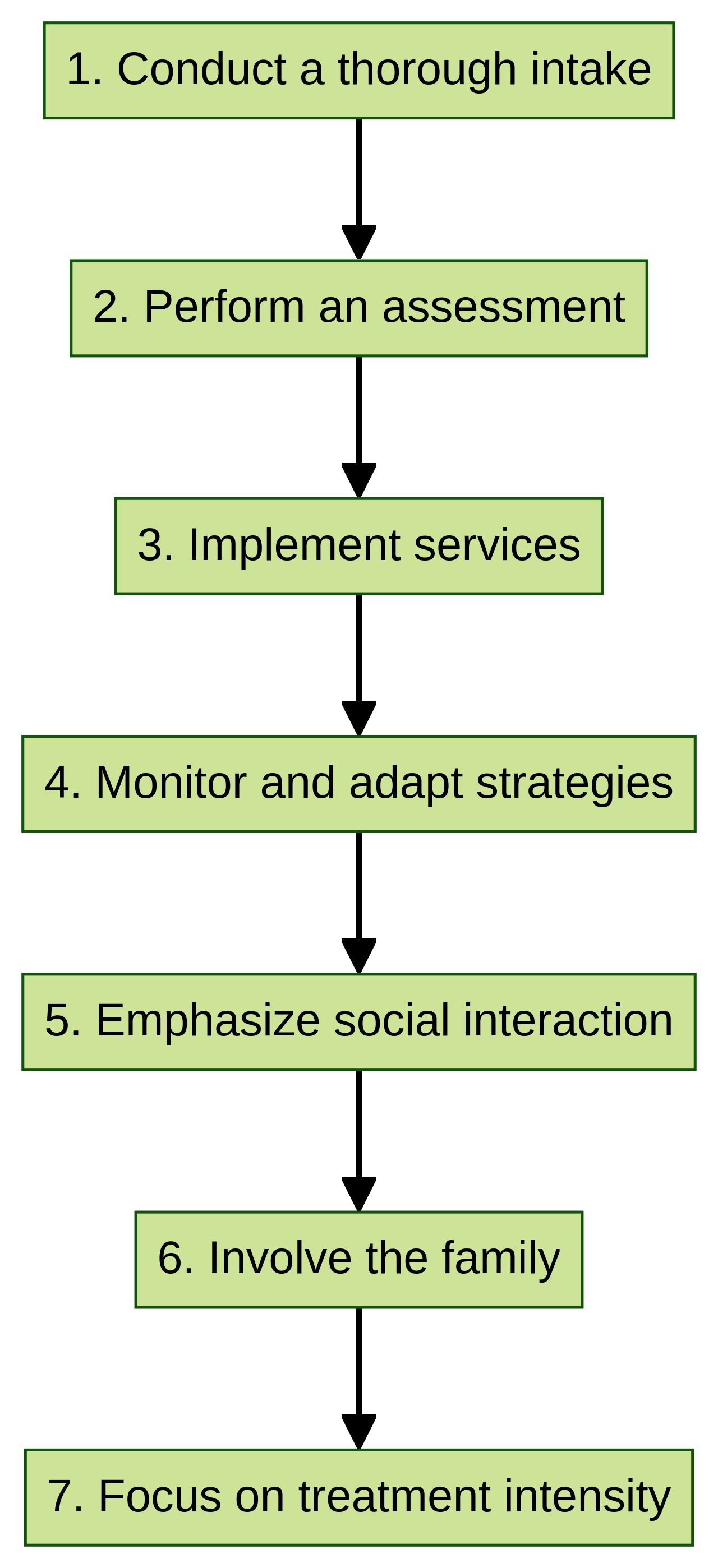
Developing a comprehensive therapy approach for children with autism is crucial for fostering their progress. This involves a personalized treatment plan, built upon a detailed assessment by a Board Certified Behavior Analyst (BCBA), ensuring that the strategies are specifically tailored to the child's unique needs. The plan must include measurable goals and consistent monitoring to adapt strategies as the child evolves.
The Early Start Denver Model (ESDM) is one such program that has been empirically shown to enhance communication and daily living skills in children ages 1-4 through emphasizing social interaction. It's important to note that while some programs like ESDM have outcome data supporting their effectiveness, many interventions lack comparative studies, especially for the critical birth to 3 age group. Moreover, with nearly 3% of children in the United States diagnosed with autism, it is vital to have a range of services that are not only evidence-based but also widely accessible.
As TACA highlights, therapy options should aim to improve communication, social interactions, and independence. The process starts with a thorough intake to gather all necessary information about the child, followed by an assessment to craft a personalized plan, and finally, implementing services that address the child and family's specific needs, always in partnership with therapists. This collaborative and evidence-informed approach is endorsed by professionals who agree on the importance of treatment intensity, family involvement, and a focus on generalization.
Strategies for Lasting Progress in Child Autism Therapy
Navigating the landscape of autism therapy, it is crucial to embrace a tailored approach, acknowledging that each child's journey is distinct. The Autism Community in Action (TACA) underscores the importance of individual assessments by Board Certified Behavior Analysts (BCBAs) to establish personalized, measurable goals for children with autism. This is followed by consistent monitoring to adapt strategies, ensuring ongoing progress and benefit to the child.
TACA's insights reveal the need for therapies to enhance communication, social interactions, and independence while addressing sensory issues. Dr. Hannah Schertz from Indiana University Bloomington emphasizes the pivotal role of parental mediation in early intervention, targeting social communication—a core challenge in autism. Her research advocates for interventions that respond to each child's unique social communication needs, underpinning the necessity of early, developmentally appropriate interventions.
Similarly, specific coaching for parents can significantly increase verbalizations in children with language impairments, highlighting the value of positive reinforcement. Further research from Michael Sandbank, PhD, at the UNC School of Medicine, calls for greater scrutiny in evaluating the effectiveness of interventions, suggesting that many studies in the field are low-quality and do not adequately monitor potential adverse effects. This underscores the need for clarity and caution when recommending interventions to families.
Amidst an evolving shift toward neuro-affirming practices, a nuanced understanding of behaviors traditionally viewed as disruptive is emerging. Recognizing that such behaviors may be regulatory and communicative, especially in children with language delays, informs a more empathetic and effective approach to intervention. This perspective is crucial for fostering a collaborative and inclusive community within the ABA therapy industry, one that continuously improves and advocates for the best interests of children with autism and ADHD.

Conclusion
In conclusion, personalized approaches in autism therapy offer promise for promoting growth and independence in individuals with Autism Spectrum Disorder (ASD). Tailoring treatments to each person's unique needs, such as ILF neurofeedback, has shown significant behavioral improvements.
However, more research is needed to validate these personalized approaches. The societal impact of ASD is substantial, with a high prevalence of autism in children.
This has led to an increased demand for specialized services like Applied Behavior Analysis (ABA) therapy. While ABA is recognized as an evidence-based approach, it is important to acknowledge that it is not a one-size-fits-all solution.
Customizing ABA to each child's needs and considering the therapy-life balance is crucial for long-term success. Early intervention plays a vital role in autism therapy, but there is a lack of comparative research on interventions for children aged 3 and below.
Families face challenges in navigating the available options without sufficient information on their effectiveness or availability. Creating a comprehensive therapy plan involves personalized strategies based on a detailed assessment by a Board Certified Behavior Analyst (BCBA).
Measurable goals and consistent monitoring allow for adjustments as the child progresses. Accessible evidence-based services are essential to meet the growing demand for autism therapy. To ensure lasting progress, individualized approaches that recognize each child's unique journey are necessary. Parental involvement and mediation are key in early intervention targeting social communication challenges. It is important to evaluate interventions carefully to avoid low-quality options that may have adverse effects. Navigating the landscape of autism therapy requires an understanding of each child's distinct needs and an emphasis on evidence-informed practices. By empowering Parent Advocates and involving them in decision-making, we can provide the best support for children with ASD.
Frequently Asked Questions
What is Autism Spectrum Disorder (ASD)?
Autism Spectrum Disorder (ASD) is a range of neurodevelopmental conditions characterized by challenges with social interaction, communication, and often includes repetitive behaviors or intense interests. Each individual with ASD has unique challenges and strengths.
Why is personalized autism therapy important?
Personalized autism therapy is important because it is tailored to meet the unique needs and challenges of each individual with ASD, fostering their growth and independence. Personalized approaches have shown potential for significant behavioral improvements.
What is Applied Behavior Analysis (ABA) therapy?
ABA therapy is an evidence-based approach recognized for treating ASD. It focuses on behavioral modification to enhance social and communicative abilities. ABA involves intensive one-on-one therapy, often recommended at over 30 hours per week.
Are there concerns with ABA therapy?
Yes, concerns with ABA therapy include the financial burden on families, the potential for privacy invasion, and the time commitment that may strain family relationships. Additionally, ABA's 'one-size-fits-all' approach may not be suitable for every child, and there is a need for more nuanced evaluations of ABA's long-term benefits and drawbacks.
What is the significance of early intervention in autism therapy?
Early intervention in autism therapy is crucial as it targets the critical developmental window from birth to 3 years of age. Starting therapy early can lead to better outcomes by focusing on treatment intensity, family engagement, and the generalization of skills.
What does a comprehensive therapy plan for autism involve?
A comprehensive therapy plan involves a personalized treatment plan created by a Board Certified Behavior Analyst (BCBA), measurable goals, consistent monitoring, and adapting strategies as the child evolves. Programs like the Early Start Denver Model (ESDM) are examples that focus on social interaction and have shown effectiveness in enhancing communication and daily living skills.
How does parental involvement impact autism therapy?
Parental involvement is a pivotal aspect of effective autism therapy. Parent-mediated interventions can improve social communication and increase verbalizations in children with language impairments. Parental involvement ensures that therapy aligns with the child's unique social communication needs and supports generalization of skills to everyday settings.
What is the current state of research on early interventions for autism?
The current state of research on early interventions for autism shows a gap in high-quality, comparative studies. Many existing studies are of low quality, which impacts intervention recommendations and outcomes. There is a need for greater scrutiny in evaluating the effectiveness of interventions and caution in recommending them to families.
What are the societal impacts of autism?
With the prevalence of ASD increasing, there is a growing demand for specialized services. Societal impacts include the need for evidence-based and widely accessible therapies and services that address the behavioral and educational needs of individuals with ASD, especially during disruptive events like the COVID-19 pandemic.
What are some strengths commonly found in individuals with ASD?
Many individuals with ASD possess strengths such as a keen sense of justice, attention to detail, and deep expertise in specific areas. Recognizing and supporting these strengths is important for creating a more inclusive society that values the diverse experiences of those with autism.
List of Sources
- Understanding Autism Spectrum Disorder
- apa.org (https://www.apa.org/monitor/2024/03/effective-treatment-autistic-adults)
- greymattersofcarmel.com (https://greymattersofcarmel.com/autism-treatment-symptoms-neurofeedback-brain/)
- onlinelibrary.wiley.com (https://onlinelibrary.wiley.com/doi/10.1002/bin.1989)
- pubs.asha.org (https://pubs.asha.org/doi/full/10.1044/2023_PERSP-23-00104)
- cepr.net (https://cepr.net/report/pocketing-money-meant-for-kids-private-equity-in-autism-services/)
- aihw.gov.au (https://www.aihw.gov.au/reports/disability/autism-in-australia/contents/autism)
- pubmed.ncbi.nlm.nih.gov (https://pubmed.ncbi.nlm.nih.gov/37692992)
- phxautism.org (https://phxautism.org/resources/what-is-autism/)
- medicalxpress.com (https://medicalxpress.com/news/2024-05-eye-tracking-techniques-primary-autism.html)
- medicalxpress.com (https://medicalxpress.com/news/2023-06-autism-microbiome.amp)
- cdc.gov (https://www.cdc.gov/autism/hcp/diagnosis/)
- apa.org (https://www.apa.org/monitor/2023/11/adults-autism-spectrum)
- Importance of Early Intervention
- journals.lww.com (https://journals.lww.com/iycjournal/fulltext/2005/04000/early_intervention_in_autism.2.aspx)
- miragenews.com (https://www.miragenews.com/low-quality-autism-studies-dominate-early-1127669/)
- today.ucsd.edu (https://today.ucsd.edu/story/metabolism-of-autism-reveals-developmental-origins)
- Applied Behavior Analysis (ABA) Therapy
- journals.lww.com (https://journals.lww.com/co-pediatrics/abstract/2011/12000/behavioral_interventions_in_children_and.9.aspx)
- city-journal.org (https://www.city-journal.org/article/are-we-treating-autism-properly)
- latimes.com (https://www.latimes.com/archives/la-xpm-1986-08-14-vw-7093-story.html)
- cambridge.org (https://www.cambridge.org/core/journals/behaviour-change/article/abs/murdoch-early-intervention-program-after-2-years/8E08EA4D51545DCCF237038D708B21A4)
- beanfee.com (https://beanfee.com/)
- hitconsultant.net (https://hitconsultant.net/2023/09/12/applied-behavior-analysis-aba-why-more-is-not-always-better/)
- upi.com (https://www.upi.com/Health_News/2023/11/21/AI-autism-children-study/8061700513502/)
- the74million.org (https://www.the74million.org/article/americas-most-popular-autism-therapy-may-not-work-and-may-seriously-harm-patients-mental-health/)
- laist.com (https://laist.com/news/health/autism-aba-applied-behavior-analysis-alternatives)
- Creating a Comprehensive Therapy Plan
- tacanow.org (https://tacanow.org/monthly-learning-series/)
- journals.lww.com (https://journals.lww.com/iycjournal/fulltext/2005/04000/early_intervention_in_autism.2.aspx)
- whenwomeninspire.com (https://whenwomeninspire.com/2024/03/21/aba-therapy-autism-support/)
- news-medical.net (https://www.news-medical.net/news/20230821/MIND-Institute-receives-2447-million-to-study-child-focused-autism-intervention-in-community-agencies.aspx)
- medicalxpress.com (https://medicalxpress.com/news/2024-05-eye-tracking-techniques-primary-autism.html)
- news-medical.net (https://www.news-medical.net/news/20231122/A-novel-theoretical-framework-for-understanding-and-treating-autism-spectrum-disorder.aspx)
- journals.lww.com (https://journals.lww.com/iycjournal/fulltext/2005/04000/early_intervention_in_autism.2.aspx)
- bmj.com (https://www.bmj.com/content/383/bmj-2023-076733)
- Strategies for Lasting Progress in Child Autism Therapy
- pubmed.ncbi.nlm.nih.gov (https://pubmed.ncbi.nlm.nih.gov/37332371)
- journals.lww.com (https://journals.lww.com/jrnldbp/abstract/2006/04002/early_intensive_behavioral_treatment__replication.13.aspx)
- miragenews.com (https://www.miragenews.com/low-quality-autism-studies-dominate-early-1127669/)
- news-medical.net (https://www.news-medical.net/news/20230821/MIND-Institute-receives-2447-million-to-study-child-focused-autism-intervention-in-community-agencies.aspx)
- ies.ed.gov (https://ies.ed.gov/blogs/research/post/the-impact-of-parent-mediated-early-intervention-on-social-communication-for-children-with-autism)
- dovepress.com (https://www.dovepress.com/getfile.php)
- whenwomeninspire.com (https://whenwomeninspire.com/2024/03/21/aba-therapy-autism-support/)
- tacanow.org (https://tacanow.org/monthly-learning-series/)
- nimh.nih.gov (https://www.nimh.nih.gov/news/science-news/2024/accelerating-science-to-improve-early-autism-screening)
- thetransmitter.org (https://www.thetransmitter.org/spectrum/pinning-down-profound-autism-for-reliable-research-qa-with-matthew-siegel/)
- whenwomeninspire.com (https://whenwomeninspire.com/2024/03/21/aba-therapy-autism-support/)
- hitconsultant.net (https://hitconsultant.net/2023/09/12/applied-behavior-analysis-aba-why-more-is-not-always-better/)


