

Introduction
Autism spectrum disorder (ASD) is a complex neurodevelopmental condition that presents a wide range of challenges and abilities. With increased awareness and screening, more adults are being diagnosed, but many still live undiagnosed or misdiagnosed, unaware of the signs of autism that impact their daily lives.
Recognizing these signs is crucial in understanding and supporting individuals with ASD. This article will explore the characteristics of autism, early signs and indicators, personal experiences and diagnosis stories, managing challenging traits, and the importance of language and respect in autism discussions. By providing guidance and resources, we aim to empower Parent Advocates in navigating the journey of supporting their children with autism.
Understanding the Spectrum: Characteristics and Traits
Autism spectrum disorder (ASD) is a multi-faceted neurodevelopmental condition that presents a broad array of challenges and abilities among those it affects. Recent public health outreach, advocacy, and increased screening have illuminated the prevalence of autism, with current estimates indicating that 1 in 45 adults in the U.S. are diagnosed with ASD. Despite greater awareness, many adults may live undiagnosed or misdiagnosed, struggling with unrecognized signs of autism that permeate their daily experiences.
Identifying these signs is crucial in understanding and supporting the unique journey of each individual with ASD. Core characteristics often involve difficulties with social communication and the presence of restricted and repetitive behaviors. By acknowledging the wide-ranging nature of these symptoms, we can foster a deeper comprehension of ASD and its impact on adults, paving the way for better recognition and support for those undiagnosed.
Early Signs and Indicators of Autism
Awareness of autism spectrum disorder (ASD) has significantly increased, leading to more adults being diagnosed—currently, 1 in 45 adults in the U.S. Yet, many may have lived without a diagnosis, attributing their challenges to other issues. Identifying autism's early signs is vital, not only for children but also for adults who may have gone undiagnosed.
Core signs, such as difficulties with social communication and restricted, repetitive behaviors, persist into adulthood. For parents and caregivers, recognizing indicators like delayed speech, challenges in social interaction, repetitive behaviors, and sensory sensitivities is the first step towards seeking professional evaluation. This early vigilance can unlock access to tailored interventions, enhancing the developmental trajectory of those on the spectrum.
Personal Experiences and Diagnosis Stories
Listening to the firsthand accounts of individuals on the autism spectrum and their loved ones offers a unique window into the lived reality of autism. These narratives highlight not only the obstacles encountered but also the transformative power of early intervention and the critical role that a supportive network plays. Furthermore, embracing self-identification within the autistic and neurodivergent community underscores the inclusivity and acceptance of various pathways to understanding oneself.
The openness to self-diagnosis is particularly poignant given the limitations and at times inconclusive results of medical autism assessments. The exchange of these experiences serves a dual purpose: it chips away at the stigma surrounding autism and fosters a sense of belonging among those embarking on the path of diagnosis and self-discovery. As one lived experience expert stated, bringing personal perspectives to the forefront enriches the conversation on mental health, providing invaluable insights into the systemic challenges and the need for improved interventions.
Managing Challenging Traits and Capitalizing on Strengths
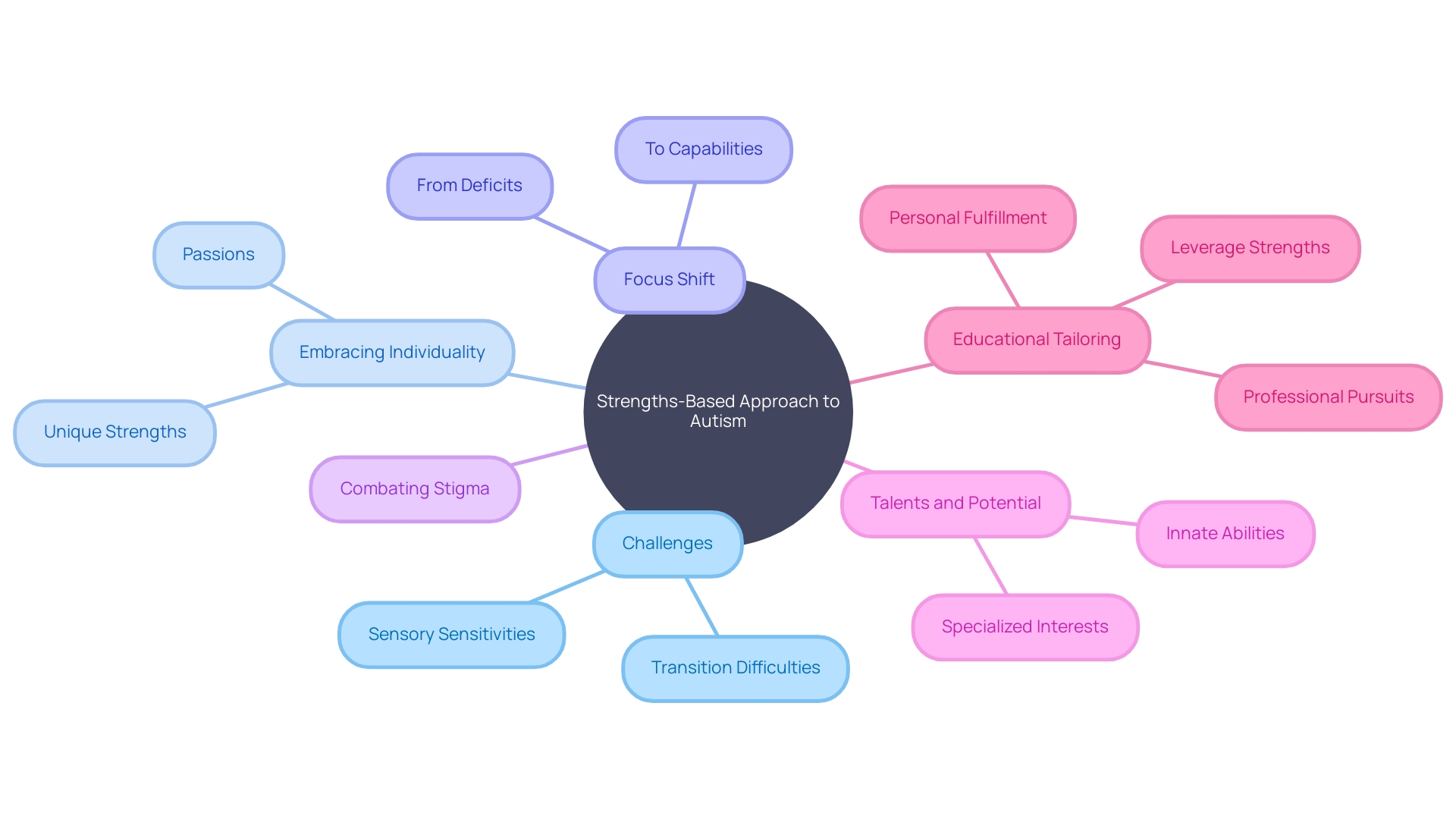
Autism is a complex condition that brings a spectrum of challenges and gifts. Sensory sensitivities and transition-related difficulties are among the common hurdles that can affect daily life.
Addressing these aspects with care and understanding can lead to significant enhancements in the life quality of those on the spectrum. Concurrently, it is crucial to embrace and cultivate the unique strengths and passions that individuals with autism possess.
These can act as powerful catalysts for engagement and achievement. Embracing a 'strengths-based approach', a concept championed by social worker Bertha Reynolds, shifts the focus from deficits to capabilities. This perspective not only combats the stigma associated with autism but also highlights the remarkable array of talents and potential within the autistic community. By recognizing their specialized interests and innate abilities, we can tailor educational experiences to leverage these strengths, paving the way for personal fulfillment and even professional pursuits.
The Importance of Language and Respect in Autism Discussions
The dialogue surrounding autism is enriched when we embrace the concept of neurodivergence, recognizing the diverse spectrum of neurological differences that include autism, ADHD, dyslexia, and more. Emphasizing the person rather than the diagnosis, we advocate for person-first language that upholds the dignity of individuals with autism.
Misconceptions often arise when terms like 'neurodiverse' are used in place of 'neurodivergent,' inadvertently suggesting a 'default' normalcy. However, neurodivergence is not an outlier; it is a natural facet of human diversity.
Understanding this distinction is key to dismantling stereotypes and fostering a society that acknowledges and celebrates the unique experiences of neurodivergent individuals. It's through the careful choice of words and the respectful consideration of lived experiences that we can bridge the gap between abstract research and the tangible realities of everyday life, as told by the individuals and families directly impacted. By aligning our language with the principles of the neurodiversity movement, we support a more inclusive and accurate portrayal of the autism community.
Conclusion
In conclusion, autism spectrum disorder (ASD) is a complex condition with diverse challenges and abilities. Despite increased awareness, many adults remain undiagnosed or misdiagnosed, unaware of the signs that impact their daily lives.
Early recognition of indicators like delayed speech and social difficulties is crucial for accessing tailored interventions. Personal experiences from individuals on the spectrum highlight the power of early intervention and the importance of a supportive network.
Embracing self-identification within the autistic community fosters inclusivity and acceptance. Managing challenging traits requires a strengths-based approach that addresses sensory sensitivities and transition difficulties.
Recognizing and nurturing unique strengths and passions can unlock potential for engagement and achievement. Language plays a vital role in autism discussions. Embracing neurodivergence as part of human diversity promotes person-first language that upholds dignity. By choosing words carefully and respecting lived experiences, we bridge the gap between research findings and everyday realities. By recognizing characteristics, understanding early signs, listening to personal experiences, managing challenges while capitalizing on strengths, and using respectful language, we empower Parent Advocates to support their children with autism successfully.
Frequently Asked Questions
What is Autism Spectrum Disorder (ASD)?
Autism Spectrum Disorder is a complex neurodevelopmental condition that presents a wide range of challenges and abilities among individuals. It often involves difficulties with social communication and a presence of restricted and repetitive behaviors.
How common is autism in adults in the U.S.?
Current estimates suggest that 1 in 45 adults in the U.S. are diagnosed with ASD.
Can adults be undiagnosed or misdiagnosed with autism?
Yes, many adults may live undiagnosed or misdiagnosed, as signs of autism can be unrecognized and attributed to other issues.
What are the early signs and indicators of autism in adults?
Early signs of autism in adults can include difficulties with social communication, challenges in social interaction, repetitive behaviors, and sensory sensitivities that persist into adulthood.
Why is it important to identify autism early?
Early identification of autism is crucial for accessing tailored interventions that can enhance the developmental trajectory and improve the quality of life for those on the spectrum.
How can personal experiences and diagnosis stories help understand autism?
Firsthand accounts from individuals on the autism spectrum and their loved ones provide unique insights into the lived reality of autism, highlighting the transformative power of early intervention and the importance of a supportive network.
What does a strengths-based approach to autism involve?
A strengths-based approach focuses on recognizing and cultivating the unique strengths and passions of individuals with autism, shifting the focus from deficits to capabilities. This perspective can help tailor educational experiences and support personal and professional achievements.
What challenges do individuals with autism face?
Common challenges include sensory sensitivities and difficulties with transitions, which can affect daily life and activities.
What is the importance of language and respect in autism discussions?
Embracing person-first language and understanding the concept of neurodivergence are crucial for dismantling stereotypes and fostering a society that celebrates the unique experiences of neurodivergent individuals. Careful choice of words and respect for lived experiences bridge the gap between research and the realities of those impacted by autism.
What is the difference between 'neurodiverse' and 'neurodivergent'?
'Neurodiverse' refers to the range of differences in individual brain function and behavioral traits as part of the human spectrum. 'Neurodivergent' is used to describe individuals whose brain function and behavioral traits differ from what is considered typical or normal, emphasizing that neurodivergence is a natural aspect of human diversity, not an outlier.
List of Sources
- Understanding the Spectrum: Characteristics and Traits
- autismspeaks.org (https://www.autismspeaks.org/signs-autism-adults)
- Early Signs and Indicators of Autism
- autismspeaks.org (https://www.autismspeaks.org/signs-autism-adults)
- Personal Experiences and Diagnosis Stories
- wellcome.org (https://wellcome.org/news/why-science-needs-lived-experiences-mental-health-challenges?utm_source=twitter&utm_medium=o-wellcome%7C)
- mhanational.org (https://mhanational.org/blog/adult-autism-seeking-official-diagnosis)
- Managing Challenging Traits and Capitalizing on Strengths
- elearningindustry.com (https://elearningindustry.com/autism-awareness-month-supporting-strengths)
- The Importance of Language and Respect in Autism Discussions
- wonkhe.com (https://wonkhe.com/blogs/higher-education-needs-to-get-to-grips-with-the-language-of-neurodiversity/)
- linkedin.com (https://www.linkedin.com/pulse/neurodiversity-neuroinclusion-embedding-difference-natalie-snodgrass-ldane)
- link.springer.com (https://link.springer.com/content/pdf/10.1007/s11920-023-01441-9.pdf)
- miragenews.com (https://www.miragenews.com/mind-director-demands-equity-in-autism-fragile-1074133/)


