

Introduction
Navigating the search for suitable programs for young adults with autism can be challenging, but online support groups and communities are revolutionizing the way parents and professionals connect and share information. These virtual platforms provide a wealth of knowledge and support, offering camaraderie and invaluable insights into available services and resources. Additionally, day programs and vocational services play a crucial role in supporting the transition to adulthood, providing structured activities, skill development, and vocational training to foster independence and meaningful employment.
Recreational and social programs are also essential, offering leisure activities that help individuals with autism hone social skills and establish friendships. Lastly, transition services bridge the gap between school and higher education or employment, ensuring personalized planning and supported decision-making for young adults with autism. Overall, these resources empower parents and individuals to navigate the complexities of adult life and ensure the well-being of their children.
Online Support Groups and Communities
Navigating the search for suitable programs for young adults with autism is often met with obstacles, but online platforms are paving the way for a revolutionary approach. Virtual support groups and communities are rapidly becoming a central hub for sharing a wealth of information and experiences. These digital forums connect parents and professionals with individuals on the spectrum, fostering an environment of shared knowledge and mutual support. In these online spaces, parents are finding camaraderie with others who understand their journey, gaining invaluable insights into available services and resources within their vicinity.
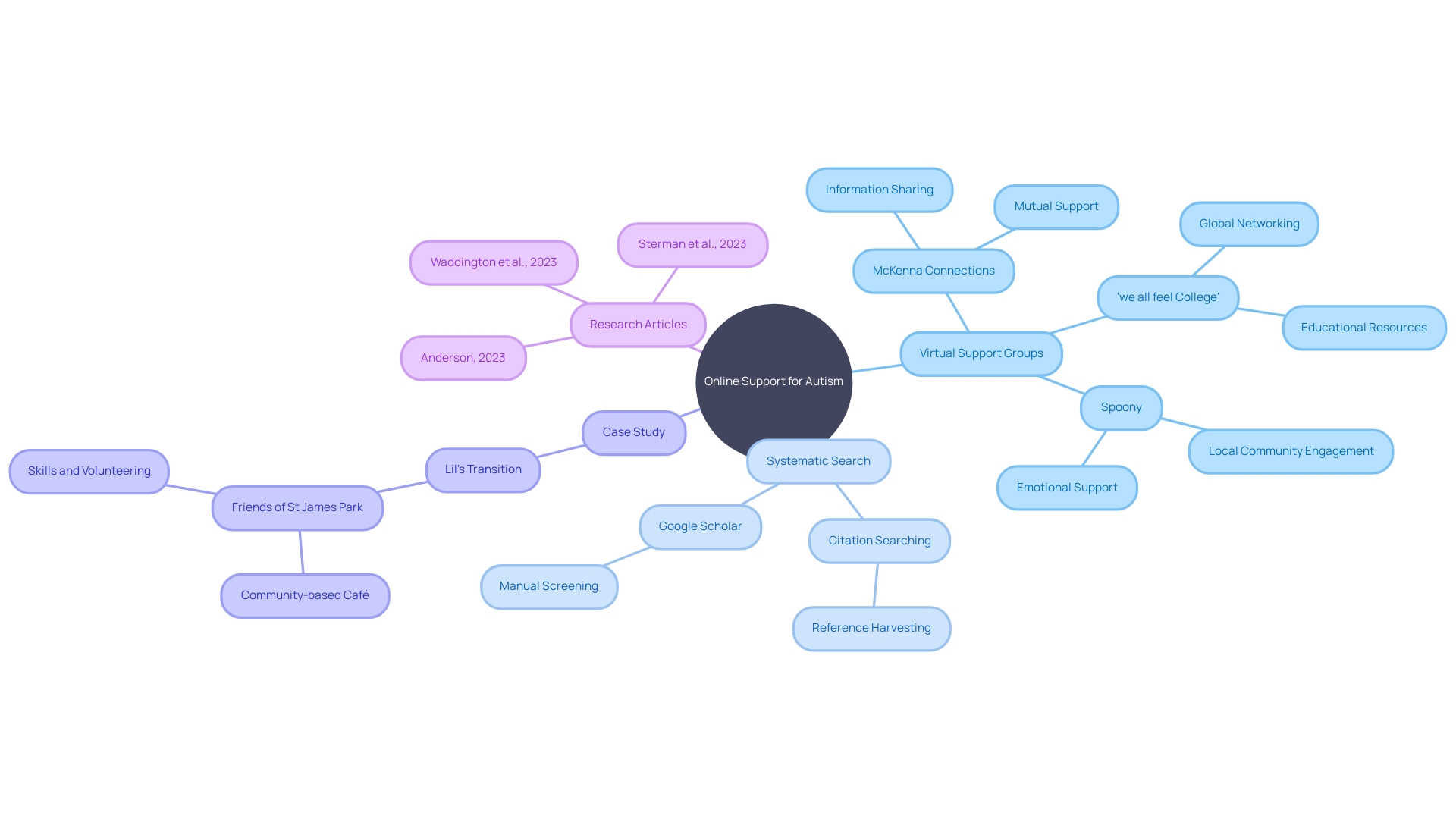
Laura McKenna, PhD, utilizing her extensive experience in education and as a parent to a young man with autism, leads webinars through McKenna Connections that offer parents with up-to-date information on excellent initiatives for autistic young adults. These webinars, accessible via Eventbrite, provide a direct avenue for parents to ask specific questions and discover services tailored to their child's needs—addressing the gap often overlooked by high school guidance counselors.
Spoony, a global community crafted by individuals with lived experiences and accessibility experts, offers a sanctuary for authentic conversations and connections. Whether discussing diagnostic queries or sharing lighthearted travel anecdotes and pet photos, Spoony simplifies both public discussions and private chats, fostering friendships and support networks.
Another initiative, 'we all feel College,' extends a 15-minute call invitation through Calendly for those interested in joining a nurturing group that integrates writing, movement, and emotional support. Designed for those grappling with the pressures of college life, this group provides a consistent and safe space to navigate personal challenges within a community that truly comprehends the experience.
The emergence and significance of online communities, especially in the context of disability and mental health, is underscored by news outlets like AT-Newswire and advocates such as Dr. Patience White. Their commitment to inclusion and the transition from pediatric to adult healthcare highlights the importance of these digital platforms. These communities not only serve as a guide to local initiatives but also as a beacon for global connection, support, and empowerment for young adults affected by autism and their families.
Day Programs and Vocational Services
For young adults on the autism spectrum, the transition to adulthood is a pivotal time that can be supported by day activities and vocational services. These initiatives provide essential resources such as organized activities, skill enhancement, and vocational training, all of which support the development of self-reliance and the attainment of meaningful employment. For example, day activities might consist of a variety of customized activities that match personal interests and abilities, covering everything from art therapy and training in life skills to coaching for employment and improvement of social skills. In the same way, vocational programs are created to aid individuals with autism spectrum disorder in obtaining and keeping jobs, providing full assistance like job placement, workplace modifications, and ongoing employment support to foster success in their careers.
Access to these programs can be sought through local autism organizations, vocational rehabilitation agencies, and community providers. For instance, a young person named Lil from Southampton, UK, was offered the chance to participate in a community-based café, which also offered skill-building, networking, and volunteering opportunities, thus enabling a smoother transition out of her special school.
The importance of these offerings is emphasized by research suggesting that while there is extensive understanding about the transition into young adulthood for people with autism, there is a significant lack of information about their lives in middle and later adulthood. The U.S. Department of Health and Human Services recognizes the significance of such services in its 2022 Report to Congress, which emphasizes both employment and education concerns for people with autism, and emphasizes the need for supportive services like occupational, behavioral, and speech therapies.
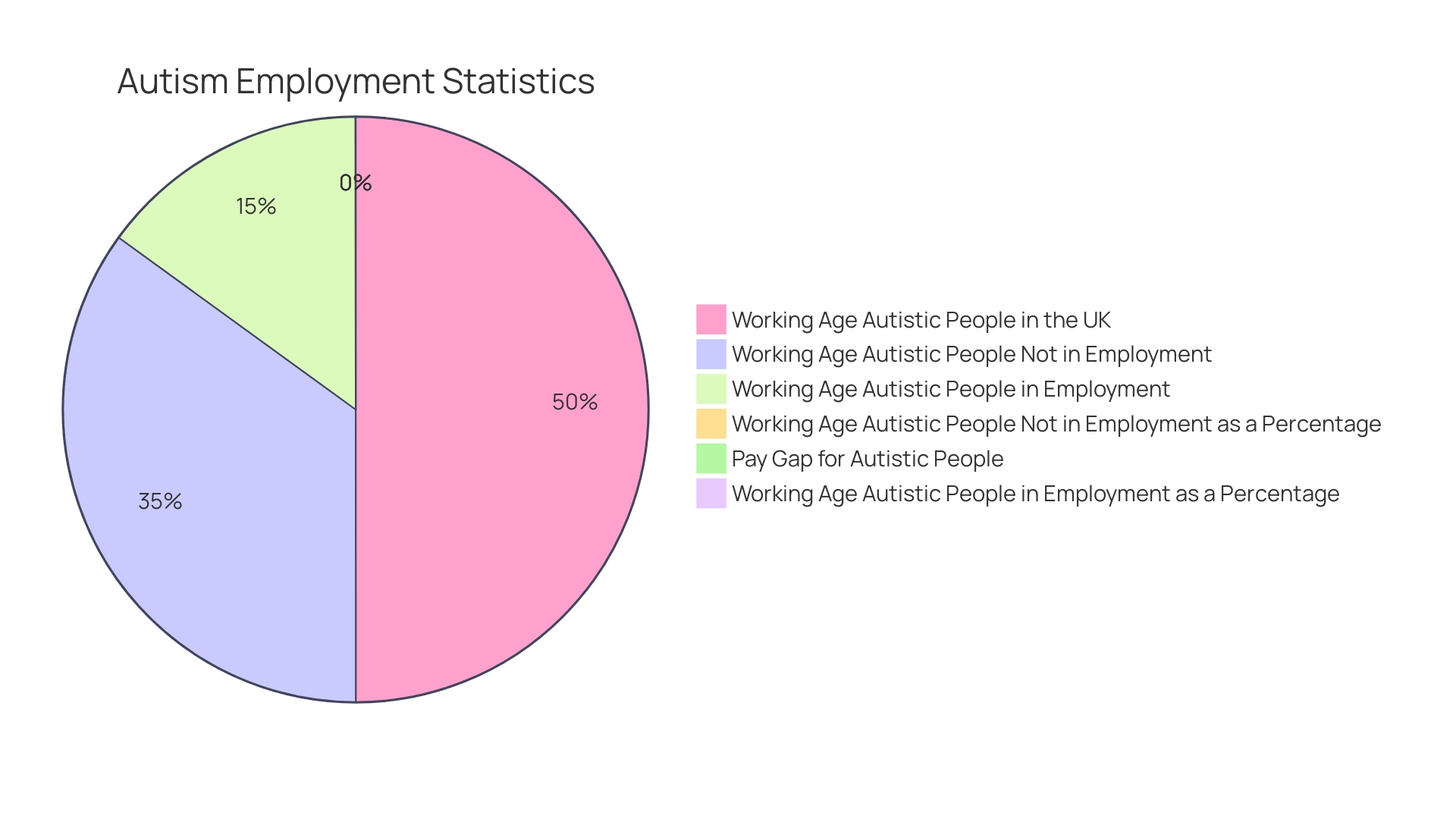
Additionally, the employment rate for people with autism in the working-age population is considerably lower in comparison to those without disabilities, with only approximately 3 out of every 10 people being employed. Addressing this disparity, initiatives have been put forth to improve the employment rate for autistic adults, emphasizing the need for increased awareness, reduced stigma, and the enhancement of autistic employees' productivity.
The Kevin and Avonte Initiative demonstrates a proactive strategy, providing funding to local initiatives aimed at decreasing the dangers of wandering and elopement among people with developmental disabilities. This initiative also emphasizes the effect of community awareness, partnerships, education, and training to address the challenges faced by the community affected by autism.
In summary, day services and vocational services are indispensable for helping autistic individuals as they navigate the complexities of adult life, providing them with the skills and support necessary for personal and professional fulfillment.
Recreational and Social Programs
Recreational and social activities are necessary for the enhancement of young adults with autism, offering not only leisure but also chances to improve social abilities and form meaningful friendships. These activities cover a range of events, from team sports and art workshops to music therapy and outdoor expeditions. They act as platforms for people to participate in enjoyable activities, while at the same time gaining proficiency in navigating intricate social environments, such as mastering subtle conversational aspects and building connections.
Such programs are often accessible through local community hubs, advocacy groups, and specialists in recreational therapy. By participating, people with autism can experience the joy of being part of a team, the satisfaction of creating something beautiful, or the thrill of adventure—all within a supportive environment that recognizes their unique strengths and addresses their specific needs.
Through these experiences, young adults with developmental disorder can contribute to their communities, showcasing their talents and achievements. It's an approach that aligns with the Individuals with Disabilities Education Act's (IDEA) goal of preparing students for life post-graduation, encompassing further education and employment.
Moreover, the inclusion of young people with disabilities in decision-making, particularly regarding their health care, has been shown to ease the transition into adulthood. Dr. Patience White, a pediatric rheumatologist and co-director of Got Transition, underscores the importance of empowering these individuals to manage their health care by making informed decisions.
The success of adaptive care plans in reducing anxiety and improving coping in children with the condition, as reported by studies from Children’s Hospital of Colorado and Cincinnati Children’s Hospital Medical Center, further highlights the importance of tailored support in healthcare and community settings. Likewise, these recreational and social programs are customized to meet the distinctive requirements of young adults with special needs, facilitating a seamless progression into adulthood and promoting overall mental health and well-being.
Transition Services for Young Adults
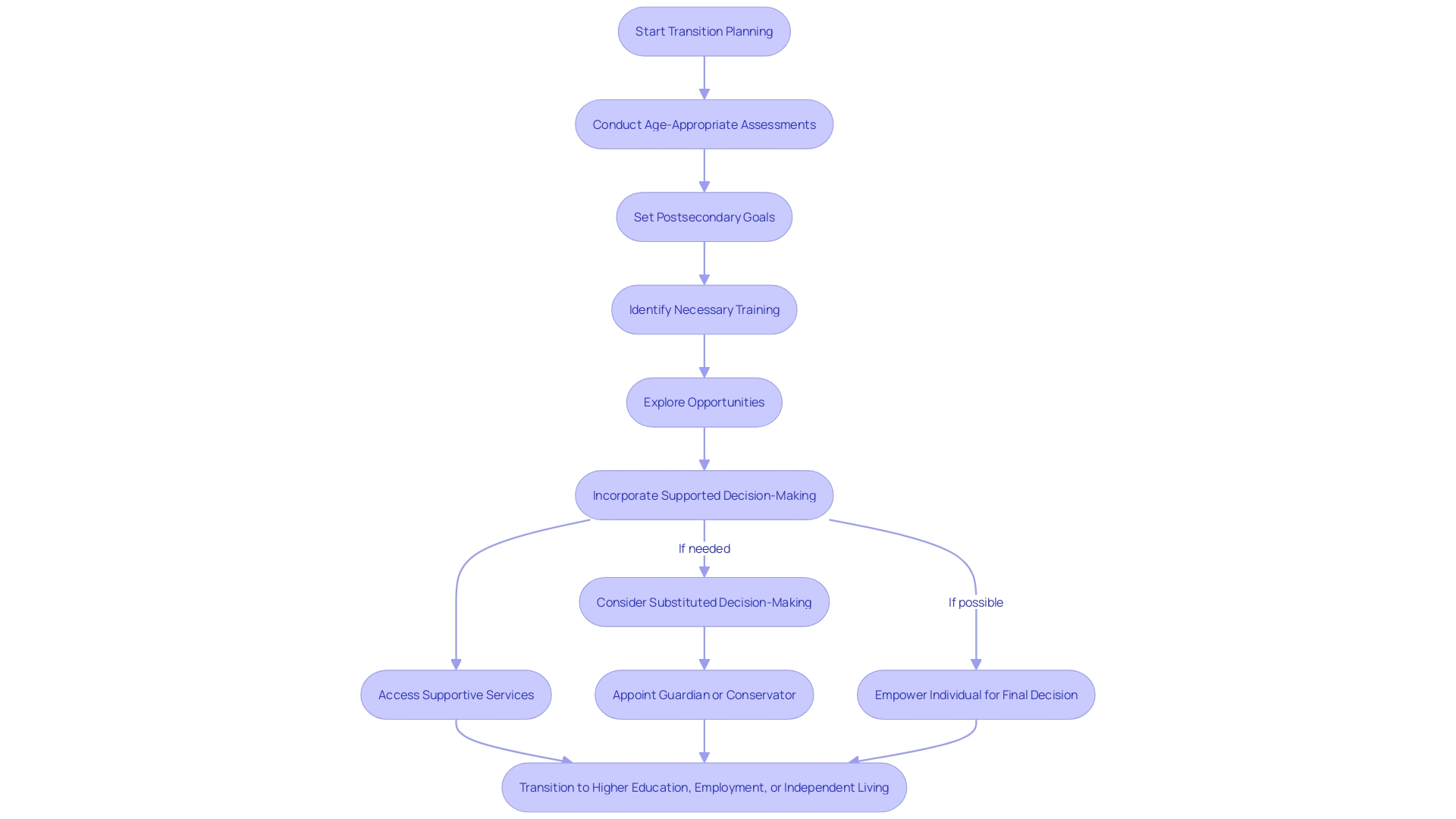
Transition programs are a crucial bridge for young adults with autism, facilitating a smoother progression from school life into the realms of higher education, employment, and independent living. These offerings are designed to be all-encompassing, concentrating on the unique ambitions and abilities of each person. An important part of transition planning is the incorporation of age-appropriate transition assessments, which gather crucial data on the person's needs, preferences, and interests. This data forms the foundation for setting realistic postsecondary goals and identifying the necessary educational, vocational, and life-skills training required for achieving them.
For instance, consider the case of Lil, a 17-year-old preparing to leave her special school. By means of transition programs, she explored opportunities at Friends of St James Park, which provided a community-based café and volunteering opportunities that aligned with her interests and offered a platform for skill development. Such personalized planning underscores the importance of preparing for change, particularly for autistic youth who might find transitions challenging due to new settings and routines.
Key to the transition process is the idea of supported decision-making, where people identify trusted supporters to assist in decision-making. This empowers them to take an active role in their health care and life choices, echoing the sentiments of Dr. Patience White from Got Transition. The legal aspects of decision-making, including capacity, competence, and autonomy, are also critical considerations, ensuring that each person's right to make decisions is respected and upheld.
Recent legislative changes, such as those in the Home and Community Based Services (HCBS) Rule, have expanded Medicaid coverage for services crucial to the transition process, addressing disparities and enhancing the accessibility of supportive services. This evolution in policy reflects a growing recognition of the diverse needs of individuals with autism as they step into adulthood.
Conclusion
In conclusion, online support groups and communities are revolutionizing the search for suitable programs for young adults with autism. These virtual platforms provide valuable knowledge and support, connecting parents and professionals and offering insights into available services and resources. Day programs and vocational services play a crucial role in supporting the transition to adulthood, providing structured activities, skill development, and vocational training.
Recreational and social programs are essential for individuals with autism, helping them hone social skills and establish friendships. Transition services bridge the gap between school and higher education or employment, ensuring personalized planning and supported decision-making. These resources empower parents and individuals to navigate the complexities of adult life and ensure the well-being of their children.
Frequently Asked Questions
What challenges do young adults with autism face when transitioning to adulthood?
Young adults with autism often encounter obstacles in finding suitable programs and support services that cater to their unique needs. The transition from school to adulthood can be particularly challenging due to a lack of information and resources.
How are online platforms helping young adults with autism and their families?
Online platforms are creating virtual support groups and communities that serve as hubs for sharing information and experiences. These digital forums connect parents, professionals, and individuals on the autism spectrum, fostering mutual support and knowledge sharing.
What type of resources can parents find through these online communities?
Parents can find camaraderie, insights into available services, and resources within their area. They can also participate in webinars that provide up-to-date information on initiatives for autistic young adults.
Who leads the webinars for parents and what do they cover?
Laura McKenna, PhD, leads webinars through McKenna Connections. These sessions offer parents a chance to ask specific questions and learn about services tailored to their child's needs, addressing gaps often overlooked by high school guidance counselors.
What is Spoony and how does it support individuals with autism?
Spoony is a global community that fosters authentic conversations and connections among individuals with lived experiences and accessibility experts. It allows for both public discussions and private chats, enabling friendships and support networks.
What is the purpose of the 'we all feel College' initiative?
This initiative invites individuals to join a nurturing group that integrates writing, movement, and emotional support. It aims to provide a safe space for those navigating the pressures of college life.
Why are day activities and vocational services important for young adults with autism?
Day activities and vocational services offer essential resources, such as organized activities and vocational training, which help develop self-reliance and facilitate meaningful employment. These initiatives cater to individual interests and abilities.
How can young adults access these programs?
Access to day activities and vocational services can be sought through local autism organizations, vocational rehabilitation agencies, and community providers.
What does research say about the transition of young adults with autism into later adulthood?
Research indicates a significant lack of information about the lives of autistic individuals in middle and later adulthood, despite extensive understanding of their transition into young adulthood. The U.S. Department of Health and Human Services emphasizes the need for supportive services during this transition.
What is the employment rate for individuals with autism, and what initiatives are in place to improve it?
The employment rate for autistic individuals is notably lower than that of those without disabilities, with approximately 30% employed. Initiatives are underway to raise awareness, reduce stigma, and enhance the productivity of autistic employees.
What role does community awareness play in supporting individuals with autism?
Community awareness initiatives, like the Kevin and Avonte Initiative, focus on reducing risks associated with wandering and elopement among individuals with developmental disabilities. These efforts emphasize education and training to address community challenges.
How do recreational and social activities benefit young adults with autism?
Recreational and social activities enhance social abilities and help young adults form meaningful friendships. They provide enjoyable experiences while teaching skills to navigate social environments.
What is the significance of tailored support in healthcare and community settings?
Tailored support, including adaptive care plans, has been shown to reduce anxiety and improve coping in individuals with autism. These programs are customized to meet the unique needs of young adults, facilitating their transition into adulthood.
What is the importance of transition programs for young adults with autism?
Transition programs serve as a crucial bridge from school to higher education, employment, and independent living. They focus on individual ambitions and abilities, helping young adults set realistic postsecondary goals.
What is supported decision-making and why is it important?
Supported decision-making involves individuals identifying trusted supporters to assist them in making decisions. This approach empowers them to take an active role in their health care and life choices, respecting their rights to autonomy.
How have recent legislative changes impacted transition services for individuals with autism?
Recent changes, such as those in the Home and Community Based Services (HCBS) Rule, have expanded Medicaid coverage for crucial transition services, enhancing accessibility and addressing disparities for individuals with autism.
List of Sources
- Online Support Groups and Communities
- crisistextline.org (https://crisistextline.org/what-do-young-people-in-crisis-need-from-their-communities)
- autismcollegeconnection.com (https://autismcollegeconnection.com)
- spoony.net (https://spoony.net)
- weallfeel.com (https://weallfeel.com)
- at-newswire.com (https://at-newswire.com)
- disabilityscoop.com (https://disabilityscoop.com/2023/12/12/transition-for-young-adults-with-disabilities-is-complicated-but-some-steps-can-help/30671)
- disabilityinsider.com (https://disabilityinsider.com/2023/12/04/technology/youth-with-disabilities-embrace-online-expression-despite-increased-vulnerability-to-abuse)
- apa.org (https://apa.org/monitor/2023/11/adults-autism-spectrum?utm_source=twitter&utm_medium=social&utm_campaign=apa-monitor&utm_content=adults-autism-spectrum%7C)
- everydayhealth.com (https://everydayhealth.com/cancer/the-best-support-organizations-for-young-adults-with-cancer)
- nature.com (https://nature.com/articles/s44271-024-00112-6)
- crd.york.ac.uk (https://crd.york.ac.uk/prospero/display_record.php?RecordID=511590)
- journals.sagepub.com (https://journals.sagepub.com/doi/10.1177/13607804231186856)
- Day Programs and Vocational Services
- gov.uk (https://gov.uk/government/publications/the-buckland-review-of-autism-employment-report-and-recommendations/the-buckland-review-of-autism-employment-report-and-recommendations)
- journals.sagepub.com (https://journals.sagepub.com/doi/10.1177/13607804231186856)
- news.miami.edu (https://news.miami.edu/law/stories/2024/02/an-interview-with-haley-moss.html)
- apa.org (https://apa.org/monitor/2023/11/adults-autism-spectrum?utm_source=twitter&utm_medium=social&utm_campaign=apa-monitor&utm_content=adults-autism-spectrum%7C)
- disabilityscoop.com (https://disabilityscoop.com/2023/12/12/transition-for-young-adults-with-disabilities-is-complicated-but-some-steps-can-help/30671)
- respectability.org (https://respectability.org/2023/12/autistic-support-services)
- autismspeaks.org (https://autismspeaks.org/advocacy-news/advocating-those-severe-intense-and-challenging-behaviors)
- news.ontario.ca (https://news.ontario.ca/en/release/1005034/ontario-introducing-over-35000-students-to-careers-in-skilled-trades)
- gov.uk (https://gov.uk/government/publications/the-buckland-review-of-autism-employment-report-and-recommendations/the-buckland-review-of-autism-employment-report-and-recommendations)
- Recreational and Social Programs
- disabilityscoop.com (https://disabilityscoop.com/2023/12/12/transition-for-young-adults-with-disabilities-is-complicated-but-some-steps-can-help/30671)
- disabilityscoop.com (https://disabilityscoop.com/2023/12/12/adaptive-care-team-works-to-ease-hospital-visits-for-kids-with-behavioral-issues/30670)
- tacanow.org (https://tacanow.org/monthly-learning-series-adulthood-puberty)
- iacc.hhs.gov (https://iacc.hhs.gov/news/2023/summary-of-advances-release-2022.shtml)
- frontiersin.org (https://frontiersin.org/articles/10.3389/fpubh.2023.1309154/full)
- calhealthreport.org (https://calhealthreport.org/2023/12/12/health-care-for-young-adults-with-disabilities-or-chronic-illnesses-is-complicated-but-here-are-resources-that-can-help)
- Transition Services for Young Adults
- publications.aap.org (https://publications.aap.org/pediatrics/article/doi/10.1542/peds.2024-066841/197362?autologincheck=redirected)
- disabilityscoop.com (https://disabilityscoop.com/2023/12/12/transition-for-young-adults-with-disabilities-is-complicated-but-some-steps-can-help/30671)
- aliss.org (https://aliss.org/services/f7398670-aa5a-423d-be3b-a396e63ae383)
- respectability.org (https://respectability.org/2023/12/autistic-support-services)
- nasponline.org (https://nasponline.org/professional-development/a-closer-look-blog/transition-assessment-the-cornerstone-of-transition-planning-and-services)
- journals.sagepub.com (https://journals.sagepub.com/doi/10.1177/13607804231186856)
- publications.aap.org (https://publications.aap.org/pediatrics/article/doi/10.1542/peds.2024-066841/197362?autologincheck=redirected)


