

Introduction
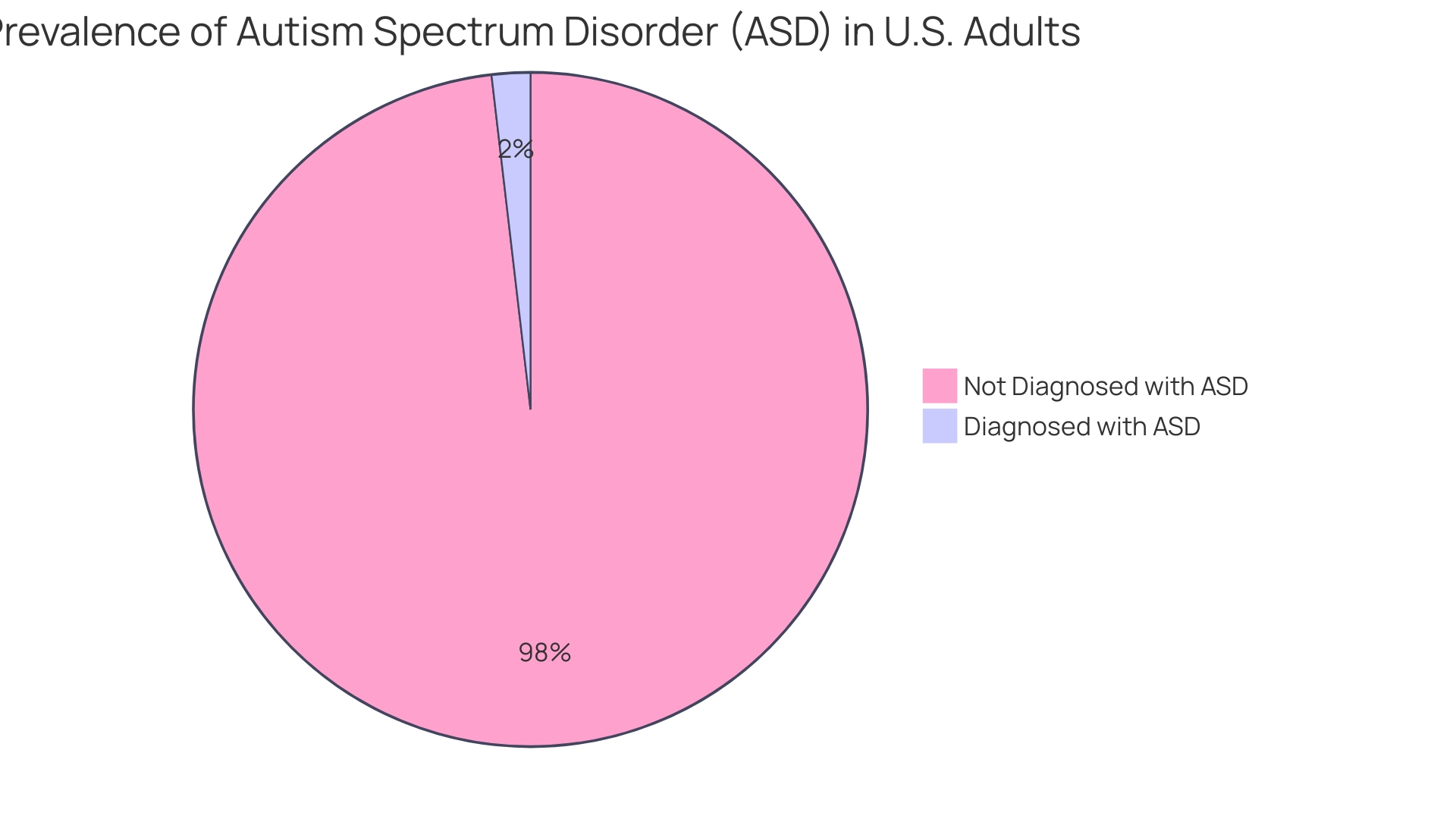
Navigating the journey towards an adult autism diagnosis can be transformative, allowing individuals to embrace their unique selves and access the support they need to thrive. With 1 in 45 adults in the U.S. diagnosed with autism spectrum disorder (ASD), it's crucial to understand the signs and symptoms of autism in adults, as well as the types of professionals who can provide a formal diagnosis. Whether one chooses to pursue a diagnosis or embrace self-identification, the goal is to empower autistic adults to seek the support and resources that best suit their individual circumstances.
In this article, we will explore the importance of seeking an adult autism specialist, the signs and symptoms of adult autism, the diagnosis process, finding the right specialist, the assessment experience, treatment options, the importance of early intervention and support, and navigating insurance and access to services. By providing guidance and resources, this article aims to support Parent Advocates in ensuring the well-being of their children on the autism spectrum.
Why Seek an Adult Autism Specialist
Evaluating whether you might be on the spectrum of autism is a deeply personal choice. It's essential to note that the autistic and neurodivergent community embrace self-diagnosis, recognizing that formal testing can sometimes yield inconclusive results. This understanding is pivotal for individuals who feel that an official diagnosis will not alter the support they require to thrive. Nevertheless, for individuals who desire lucidity or require verification of their encounters, locating a specialist in autism among mature individuals is an essential measure. It's a fact echoed by the statistic that 1 in 45 adults in the U.S. are diagnosed with ASD, with many adults possibly undiagnosed or misdiagnosed. Recognizing undiagnosed ASD is crucial in understanding the typical indications, such as difficulties in social communication and repetitive behaviors.
The journey towards a diagnosis can be transformative, as was the case for Heather Florio, who at 41 years old, received a diagnosis that allowed her to embrace her unique self. Furthermore, it is crucial to debunk misconceptions; research has indicated that the condition is not triggered by vaccines, parenting methods, or diet, but might be associated with genetic patterns and disparities in brain structure. The Interagency Autism Coordinating Committee (IACC) emphasizes the intricate nature of autism, promoting research and offering assistance without advocating for unnecessary testing. Considering these factors, the decision to seek a specialist who specializes in autism in grown-ups should be guided by personal needs and the potential impact on one's life, rather than societal expectations or misinformation.
Signs and Symptoms of Adult Autism
Autism spectrum disorder (ASD) presents a diverse array of signs and challenges that affect individuals across a lifetime. It is crucial to recognize that while certain individuals in the community of autistic and neurodivergent people may choose to pursue a formal diagnosis to gain a deeper understanding of their experiences or to access specialized assistance, self-identification is widely accepted as a legitimate form of diagnosis, particularly given the potential inconclusiveness of medical evaluations. For those exploring the possibility of being on the spectrum, it is critical to become familiar with common characteristics of ASD in individuals, which include social communication difficulties and restricted, repetitive patterns of behavior. With the high occurrence of ASD now acknowledged at 1 in 45 individuals in the U.S., awareness and comprehension are essential, whether it's for self-identification or to support others in their journey. However, it's vital to navigate this information carefully, as a significant portion of autism-related content on social media platforms like TikTok has been identified as misleading or false. In the end, deciding whether to seek a medical evaluation is an individual decision, and having precise details about this condition is crucial for making well-informed choices.
How to Begin the Diagnosis Process
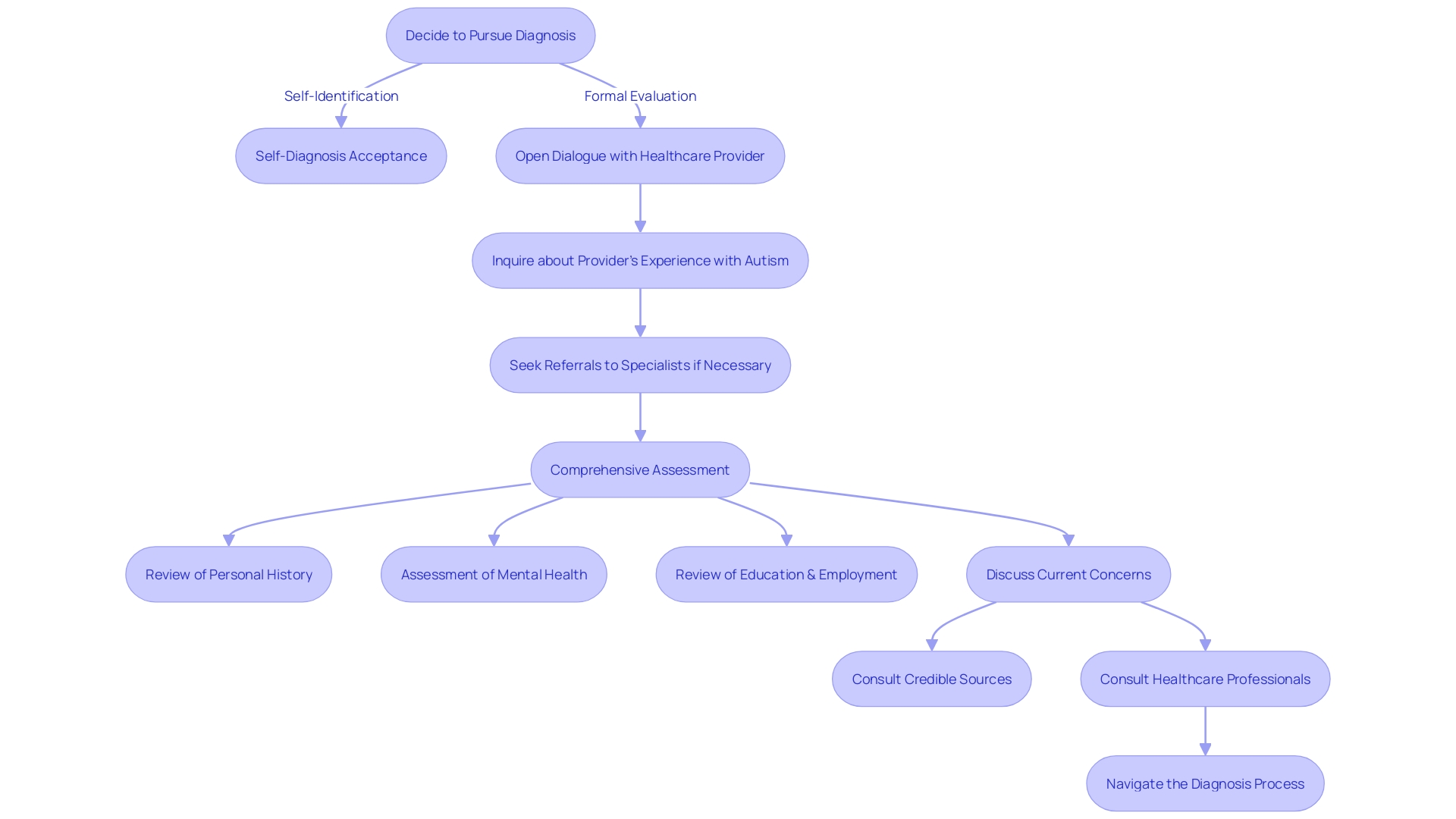
Finding one's way through the territory of diagnosing autism in grown-ups demands an individualized method. While some individuals find solace and validation in self-identification, others may seek an official diagnosis for a variety of personal reasons, including but not limited to accessing tailored support and services. For those choosing to undertake a formal evaluation, comprehending the symptoms of autism in individuals of mature age is crucial. Misinformation can be rife, as highlighted by a study revealing that 32% of autism-related content on popular platforms like TikTok is misleading, and 40% is incorrect. Therefore, it's crucial to consult with credible sources and healthcare professionals who can guide you through the process with accuracy.
Data shows that 1 in 45 individuals in the United States are diagnosed with ASD, but many remain undiagnosed or receive an incorrect diagnosis. Common signs of the condition in adults include challenges with social communication and restricted, repetitive behaviors. If you or a loved one exhibits these characteristics, it may prompt consideration of an assessment.
The first step is to have an open dialogue with a trusted healthcare provider. Research shows that a skilled physician can diagnose conditions like Alzheimer's disease with over 90% accuracy, suggesting the importance of expertise in the diagnostic process for neurodevelopmental conditions as well. During your discussions, it's advisable to inquire about the practitioner's experience with diagnosing the condition and whether they refer to specialists for a more in-depth evaluation.
Assessments generally include a comprehensive review of personal history, mental health, educational and employment background, and current concerns. This comprehensive approach ensures that the assessment is reflective of your individual experiences and needs. Moreover, it's important to note that while national guidelines, such as those from the Interagency Autism Coordinating Committee (IACC), provide a framework for understanding and managing autism, variations in interpretation may occur at state and territory levels, affecting areas like driving fitness assessments.
Ultimately, embarking on the diagnosis process is a significant step that should be navigated with careful consideration and professional input. Whether you choose to embrace self-diagnosis or pursue formal assessment, understanding your neurodiversity is a journey that empowers you to seek the support and resources that best suit your individual circumstances.
Types of Professionals Who Can Diagnose Adult Autism
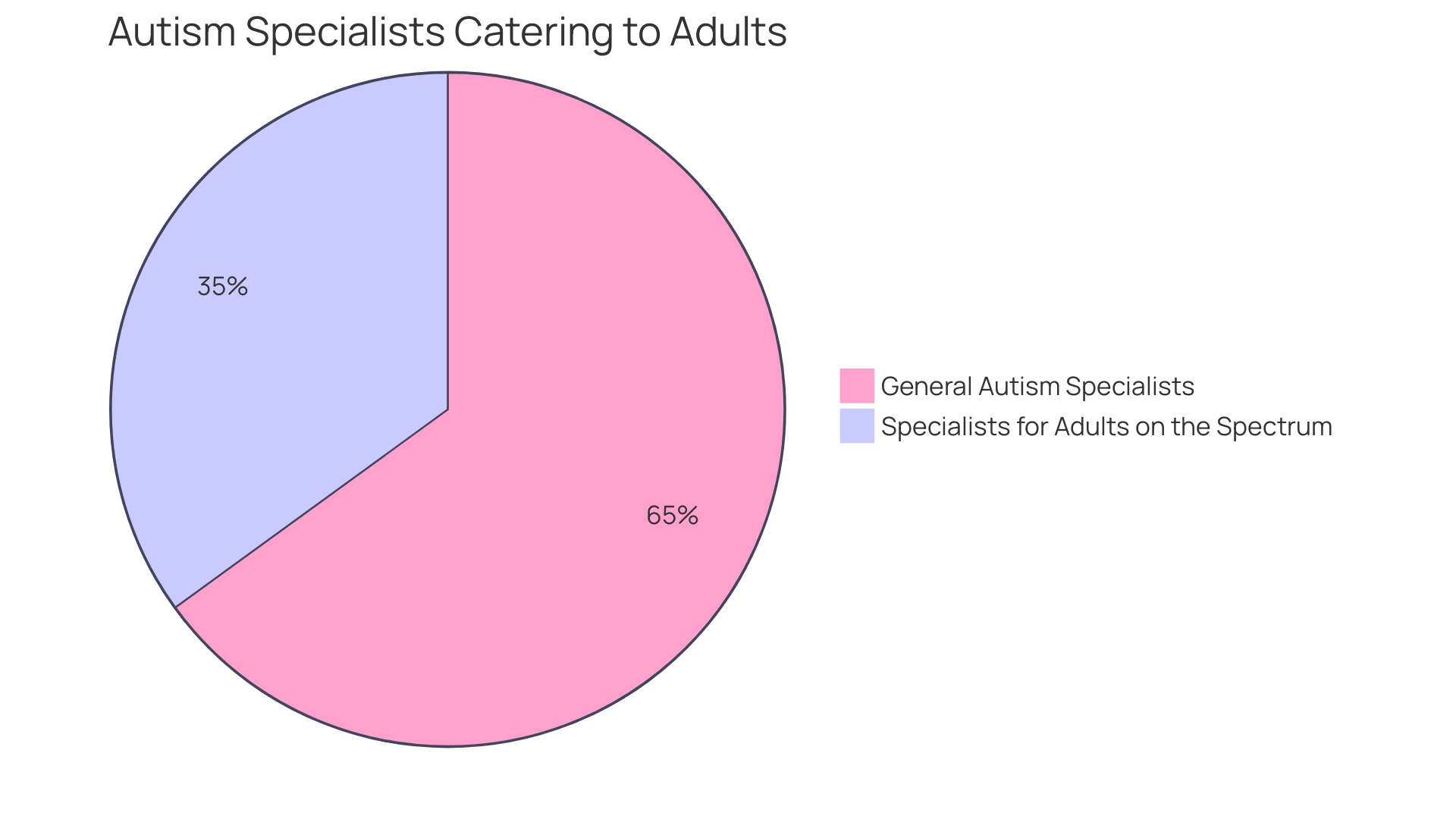
Experts who specialize in neurodevelopmental disorders play a crucial role in the diagnostic process for adults with autism. This vibrant community, including psychologists, psychiatrists, and neurologists, each brings their unique expertise to the table.
Psychologists are skilled in conducting and analyzing behavioral assessments, which are essential for diagnosing the condition. They delve into the developmental history of individuals and employ standardized tests to understand their cognitive and social functioning.
Psychiatrists, on the other hand, are medical doctors who can prescribe medication if needed. They evaluate the broader mental health context, recognizing that conditions like anxiety and depression may co-occur with the condition.
Neurologists, with their deep knowledge of the brain and nervous system, can rule out other neurological conditions and contribute to a comprehensive understanding of a patient's experience.
Despite the presence of these specialists, the path to determining the problem can be filled with difficulties, as standard medical tests often produce inconclusive outcomes. Actually, the autistic and neurodivergent community widely embraces self-identification because of the constraints of the medical approach to autism assessment.
Heather Florio's story highlights the effect of receiving a medical evaluation later in life. At 41, her realization was a revelation that brought self-acceptance after years of feeling out of place. Her experience echoes the reality that the therapeutic needs of individuals on the autism spectrum often align with those of the general population, barring certain individualized requirements.
The process of identifying the issue, described as the gold standard, begins with a detailed examination of the individual's developmental history. It extends to an analysis of thought patterns and behaviors, supported by self-report questionnaires. However, access to knowledgeable professionals capable of assessing adults remains an obstacle for many seeking a diagnosis.
Understanding the strengths and establishing trust with autistic individuals is crucial for professionals. Recognizing their unique perspectives and needs can lead to more effective support and a deeper connection, ultimately fostering an environment where differences are not just acknowledged but celebrated.
The changing terrain of neurodiversity is reforming science and medicine, emphasizing the significance of acknowledging neurodivergent conditions such as ASD and ADHD. Considering this, it becomes evident that a customized, compassionate method to assessment is not only advantageous but essential for the welfare of individuals with autism.
Finding the Right Specialist
Choosing a suitable expert for autism evaluation in grown-ups is not solely based on credentials and expertise. It's about comprehending the distinct requirements of individuals on the spectrum. Many adults may question whether they need a formal assessment if self-identification suffices, especially when considering the challenges and potential inconclusive results of current medical testing models. For some, the determination serves as validation against skepticism from others, or as a means to help friends and family understand their experiences.
The journey to diagnosis typically involves a thorough review of personal history, including family background, mental health, education, employment, and current concerns. It's a process that not only assesses developmental history but also considers behavior and thought patterns, supported by self-report questionnaires.
Recent initiatives, like the one spearheaded by Harvard Medical School's Autism Health Resources for grown-ups, highlight the need for quality healthcare for autistic individuals, acknowledging their longevity and the necessity for continued support beyond school age. This emphasizes the significance of accessible, precise medical care and the fact that numerous individuals with autism are pursuing meaningful employment but encounter substantial obstacles, such as a noticeable employment disparity in comparison to non-disabled peers and a significant wage disparity.
When considering a specialist, it's crucial to find someone who understands the full context of life in the spectrum. With misinformation about autism prevalent on platforms like TikTok—where a significant portion of content is misleading or false—reliable, expert guidance becomes even more critical.
Statistics depict a grim image: while 1 in 70 individuals is estimated to have autism, employment rates for individuals with autism are significantly lower than those for non-disabled individuals. This magnifies the need for specialists who not only diagnose but also offer assistance in navigating the professional world.
In your pursuit of a specialist, look for individuals who are not only skilled in their field but also champion and cater to the intricate requirements of grown individuals on the autism spectrum, striving for a holistic comprehension that goes beyond the assessment alone.
What to Expect from an Adult Autism Assessment
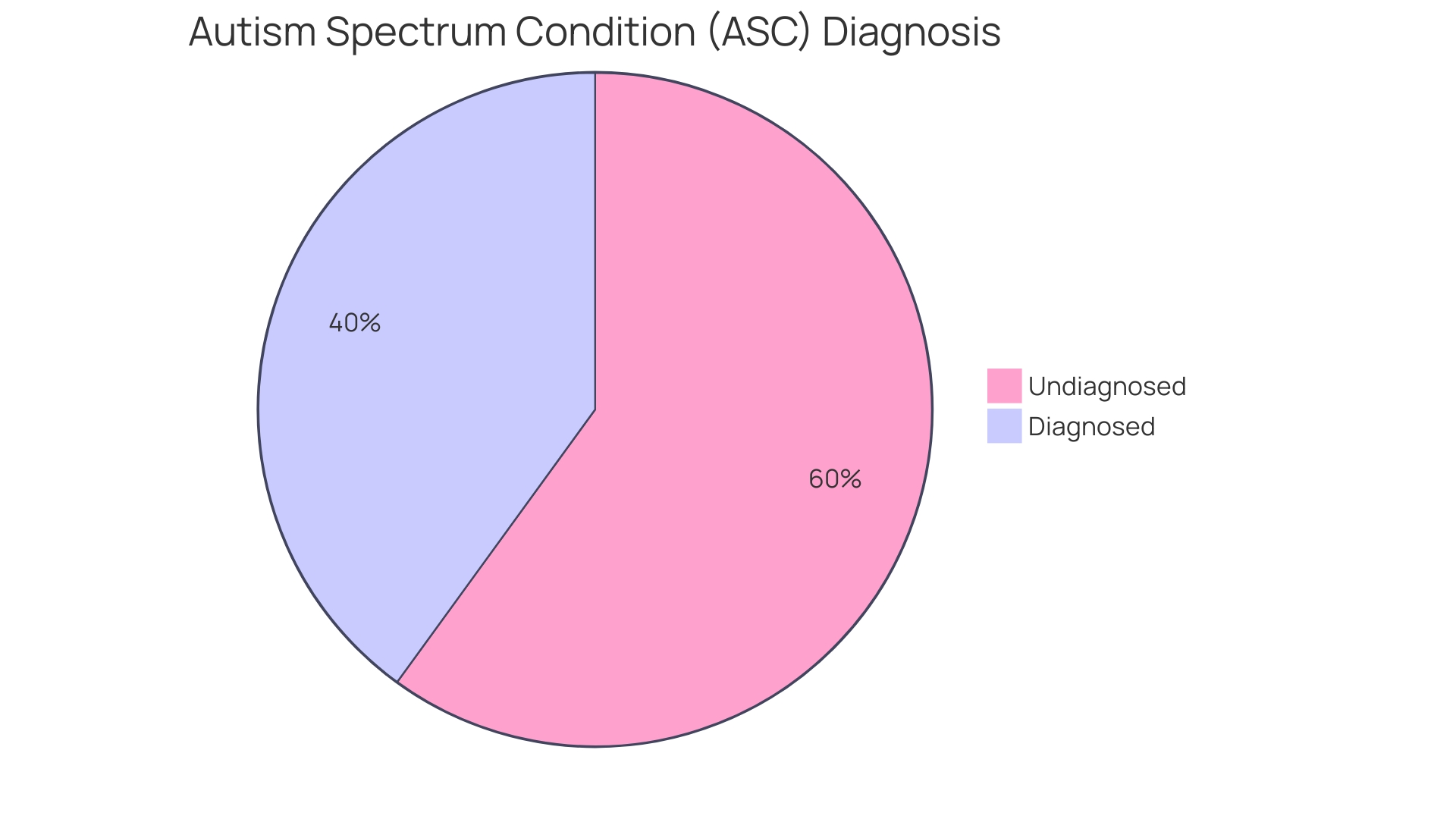
Seeking a diagnosis for autism in individuals of mature age often arises from a need for self-understanding and accessing appropriate support. It's essential to know that while the neurodivergent community accepts self-diagnosis, some opt for formal assessment to clarify their diagnosis, despite potential inconclusive results. During the assessment, individuals engage in comprehensive discussions covering family history, mental health, and personal concerns, which help determine whether they meet the criteria for Autism Spectrum Condition (ASC). As the experience unfolds, both the background information and targeted evaluations contribute to a full understanding of one's neurodiversity.
Data shows that 1 in 45 individuals in the U.S. are diagnosed with ASD, implying that numerous cases might go undetected. The assessment process can be vital for those undiagnosed adults who experience social communication challenges or restricted and repetitive behaviors that align with ASD. Notably, the assessment includes a review against the DSM-5 criteria, focusing on areas like social-emotional reciprocity.
Recent initiatives highlight the evolving nature of assessments for individuals with neurodevelopmental disorders. For instance, new online tools are being developed to offer a more accessible and comprehensive evaluation process, considering the unique experiences and inner worlds of individuals. However, it's important to recognize that each state and territory may have different guidelines affecting assessments and related areas, such as driving fitness for those on the spectrum.
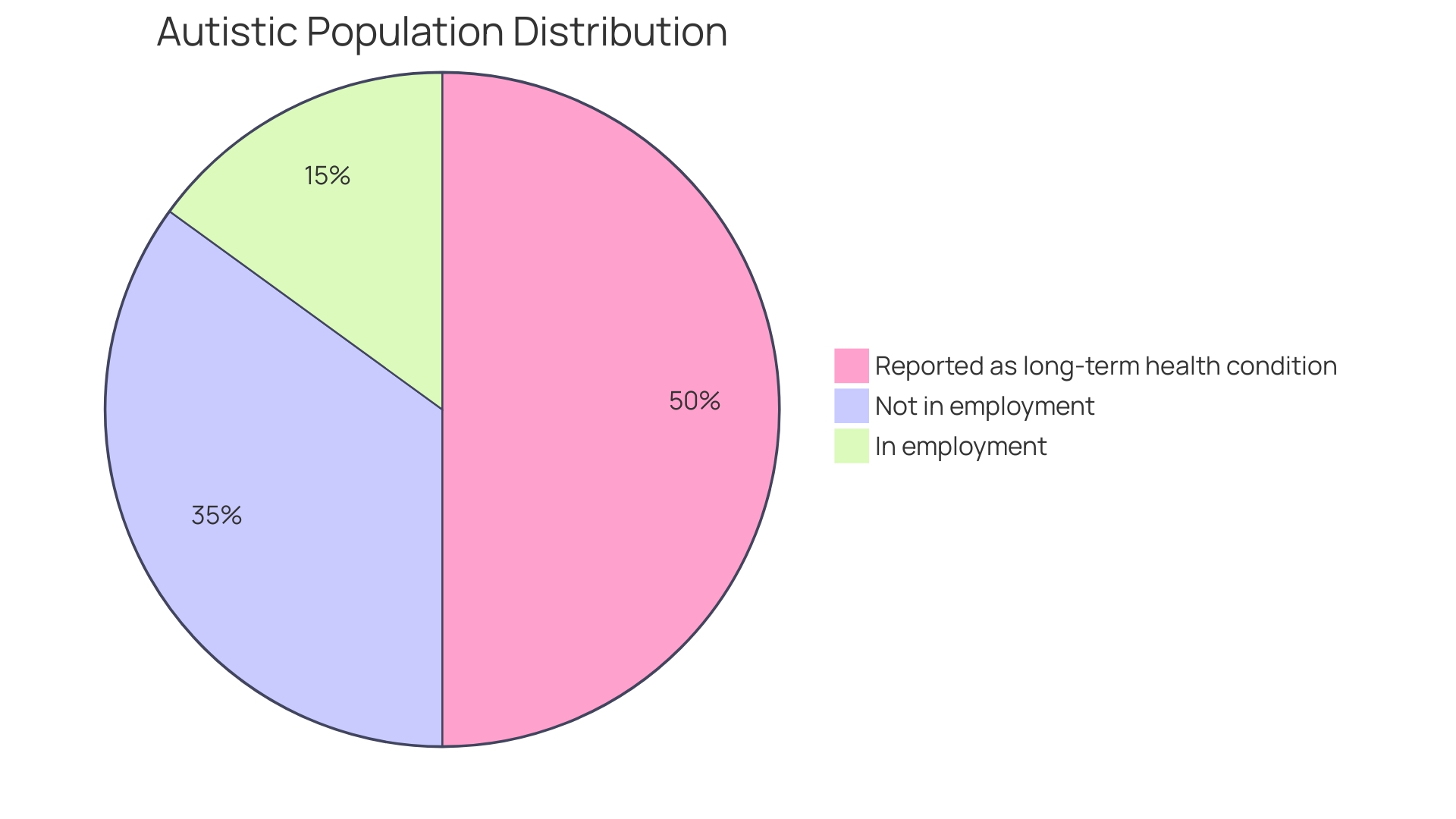
Employment is a significant area of focus, as current statistics reveal that only about 30% of working-age autistic individuals are employed. This emphasizes the significance of a formal assessment for some, as it can result in improved assistance and adjustments in the workplace. The path to a recognized identification of a certain condition is a private journey, and whether someone decides to seek it depends on individual situations and the benefits it may provide to their lives.
Treatment Options for Adults with Autism
Navigating the landscape of treatment options post-diagnosis is a pivotal step for adults with autism. It's important to understand that while a formal diagnosis can open doors to specialized services, the autistic and neurodivergent community also embraces self-identification. Many discover that the formal testing process can occasionally produce inconclusive outcomes, indicating the need for a more individualized approach to treatment and assistance.
Recent advancements in treatment guidelines, like those released by The Council of Autism Service Providers for Applied Behavior Analysis (ABA), underscore the importance of high-quality, evidence-based interventions. ABA, known for its effectiveness, must be implemented with precision to be beneficial.
Exposure therapy, a form of cognitive behavioral therapy, demonstrates the diversity of available therapies aimed at reducing anxiety through controlled, gradual exposure to triggers. This method underscores the tailored nature of therapeutic approaches necessary for addressing the unique challenges faced by individuals on the spectrum.
With 1 in 45 individuals in the U.S. diagnosed with autism spectrum disorder (ASD), and many more possibly undiagnosed, there's a growing recognition of the need for continued support beyond childhood. This is highlighted by initiatives like the Autism Health Resources project at Harvard Medical School, which seeks to improve care and advocate for lifelong access to quality medical services for individuals with autism. These efforts reflect a broader acknowledgment of the autistic population's needs, aiming to lead meaningful change across healthcare systems.
Understanding the intricacies of care for adults on the autism spectrum involves not just recognizing common characteristics, but also acknowledging the diverse experiences and preferences within the community. It is vital that therapy goals are meaningful and set with input from autistic individuals to prevent harm and effectively promote well-being. As ongoing studies explore the intricacies of neurodevelopmental disorders, encompassing variations in brain composition and hereditary elements, the discourse regarding intervention and assistance programs remains fluid and constantly developing.
Importance of Early Intervention and Support
Understanding the journey to a diagnosis of developmental disorder and support for grown-ups is not just about acknowledging a need—it's about acting to ensure fair and equitable access to healthcare and support services. The gold standard for autism diagnosis involves a comprehensive evaluation of the individual's developmental history, cognitive and behavioral assessments, and self-report questionnaires. However, finding qualified professionals to conduct these assessments can be challenging. This emphasizes the need for initiatives like the one led by Christopher McDougle, MD at Harvard Medical School, which aims to educate and empower all stakeholders in the healthcare system, recognizing the significant autistic population and their healthcare needs post-high school.
Highlighting the significance of early and continuous assistance, research sponsored by the National Institute of Mental Health (NIMH) is propelling innovation with novel digital tools for early detection and service delivery, which are progressively being integrated into regular healthcare practices. These advancements are crucial for autistic adults who, as Dr. McDougle points out, require quality medical care throughout their lives. With the Interagency Autism Coordinating Committee (IACC) working to enhance coordination and communication across federal agencies and the community affected by autism, the push for improved services and supports continues to gain momentum.
Statistics show that as many as 2% of Canada's population may be autistic, representing a considerable number of individuals in need of assistance and services. Recognizing the diverse needs and the potential within the autistic community is a cornerstone for mental health and equity, as emphasized by the late Dr. David (Dan) R. Offord. It is our collective responsibility to ensure that the race is fair for all individuals, including those with a neurodevelopmental condition, by providing the necessary resources and reducing chronic stressors for both individuals and their caregivers. This commitment to equity and support is not just a domestic goal but one that resonates on a global scale, with initiatives like McDougle's expected to have far-reaching impacts.
Navigating Insurance and Access to Services
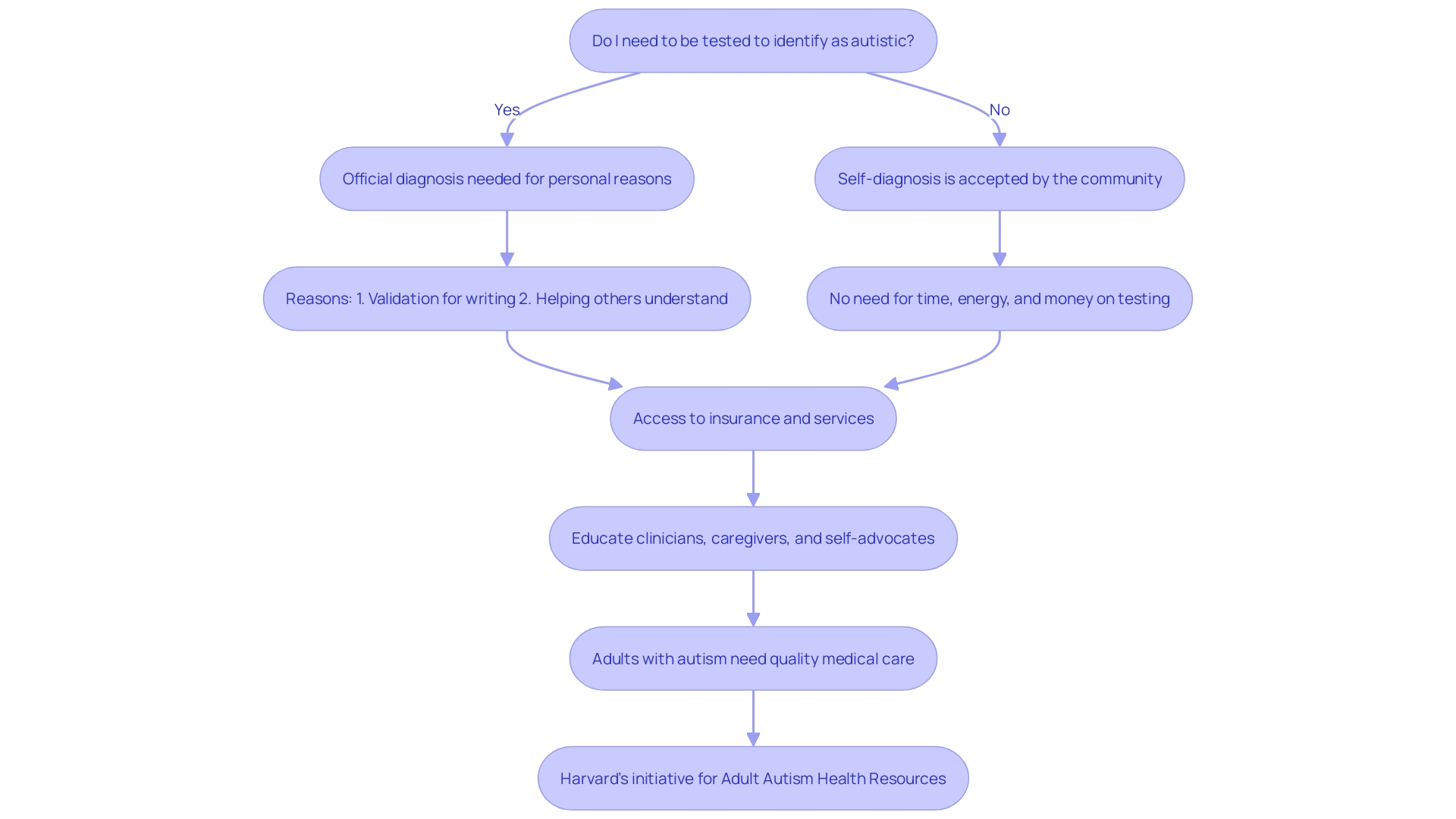
For individuals on the journey to an adult autism assessment, understanding insurance and finding the right services is a pivotal step. It's not necessary to have a formal identification to identify as autistic, as the community widely accepts self-identification due to the limitations of medical testing. Nevertheless, seeking a determination may be advantageous for personal motives or to obtain particular services and assistance.
With approximately 1 in 45 individuals in the U.S. having autism spectrum disorder (ASD), many may have lived without a diagnosis or with a misdiagnosis. Identifying the typical indicators of autism, such as difficulties in social communication and repetitive behaviors, can be the initial step towards pursuing an evaluation. Adults may experience changes in behavior and symptoms with major life transitions, which can prompt a re-evaluation of their needs.
Navigating health insurance coverage starts with identifying the type of plan you have, whether it's individual health insurance purchased from a marketplace or provided by an employer. Understanding the coverage and parity requirements for mental health and substance use disorder treatment benefits is crucial.
Recent initiatives, like the historic investment of nearly $2 billion by the Newsom administration and California Legislature, aim to enhance the quality and transparency of services for people with developmental disabilities. These efforts include rate increases for service providers, quality incentive programs, and public transparency through the Public Records Act.
The Autism Health Resources initiative for grown individuals led by experts from Harvard Medical School is educating clinicians and caregivers to improve care for autistic individuals. This initiative underscores the necessity for quality medical care for autistic individuals beyond their school years.
In brief, although self-identification as autistic is valued, a formal diagnosis can provide access to customized services and assistance. Recognizing the signs of autism, understanding insurance coverage, and being aware of the evolving landscape of support services are key steps for adults with autism and those assisting them.
Conclusion
In conclusion, seeking an adult autism diagnosis is a personal decision that can provide clarity and validation. Understanding the signs and symptoms of adult autism, such as challenges with social communication and repetitive behaviors, is essential. Finding the right specialist involves considering qualifications and understanding the unique needs of adults on the spectrum.
After diagnosis, navigating treatment options is important. Evidence-based interventions like Applied Behavior Analysis (ABA) and exposure therapy can be beneficial. Continued support beyond childhood is crucial for autistic adults.
Early intervention and ongoing support are vital for fair access to healthcare and support services. Initiatives that educate and empower stakeholders and integrate digital tools for early detection are essential. Recognizing the diverse needs and potential within the autistic community is key to promoting mental health and equity.
Navigating insurance and access to services is also important. While a formal diagnosis is not mandatory for self-identification, it can help access specific services. Understanding insurance coverage and initiatives that enhance service quality are crucial.
In summary, whether pursuing a formal diagnosis or embracing self-identification, the goal is to empower autistic adults to seek the support they need. By understanding the signs of autism, finding the right specialist, navigating the diagnosis process, exploring treatment options, emphasizing early intervention and support, and understanding insurance and access to services, Parent Advocates can ensure the well-being of their children on the autism spectrum.
Learn more about the signs and symptoms of adult autism and how to navigate the diagnosis process.
Frequently Asked Questions
What does it mean to evaluate whether you might be on the autism spectrum?
Evaluating whether one might be on the autism spectrum is a personal decision. It often involves self-reflection and understanding one's experiences. The autistic and neurodivergent community supports self-diagnosis, recognizing that formal testing can sometimes be inconclusive.
Why might someone choose self-diagnosis over a formal diagnosis?
Self-diagnosis can provide validation and clarity without the need for potentially inconclusive medical assessments. For many, understanding and accepting their neurodiversity is more important than obtaining an official label.
What are common signs of autism in adults?
Common signs include difficulties in social communication and patterns of restricted or repetitive behaviors. Understanding these can help individuals assess whether they might be on the spectrum.
How prevalent is autism among adults in the U.S.?
Statistics indicate that 1 in 45 adults in the U.S. are diagnosed with Autism Spectrum Disorder (ASD), with many potentially undiagnosed or misdiagnosed.
What should I do if I suspect I have ASD?
If you suspect you might have ASD, consider discussing your concerns with a trusted healthcare provider. They can guide you through the assessment process, which includes reviewing personal history and current challenges.
What does the assessment process for ASD typically involve?
The assessment usually includes a thorough review of developmental history, mental health, education, employment, and current concerns. It may also involve self-report questionnaires and an examination against DSM-5 criteria.
Who are the specialists involved in diagnosing autism?
Specialists in autism diagnosis can include psychologists, psychiatrists, and neurologists. Each brings specific expertise in behavioral assessments, mental health evaluation, and neurological considerations.
What are some misconceptions about autism?
Research indicates that autism is not caused by vaccines, parenting styles, or diet. It is often linked to genetic factors and differences in brain structure.
How can I find a suitable specialist for autism evaluation?
When looking for a specialist, consider their experience with adult autism assessments and their understanding of the unique needs of individuals on the spectrum.
What should I consider when deciding to seek a formal diagnosis?
The decision should be based on personal needs and the potential impact on your life rather than societal pressures. A formal diagnosis may provide access to tailored support and services.
What resources are available for adults on the autism spectrum?
Initiatives like the Autism Health Resources project at Harvard Medical School aim to improve care and access to services for autistic adults. These resources can help individuals navigate their needs throughout their lives.
What role does misinformation play in understanding autism?
Misinformation, particularly on social media, can lead to misunderstandings about autism. It's important to consult credible sources and healthcare professionals for accurate information.
What are the employment challenges for adults with autism?
Statistics show that employment rates for autistic individuals are significantly lower than for non-disabled individuals, highlighting the need for tailored support in the workplace.
How does insurance coverage affect access to autism services?
Understanding your insurance plan and its coverage for mental health services is essential for accessing appropriate support. Recent initiatives aim to improve the quality and transparency of services for individuals with developmental disabilities.
Why is understanding the journey of autism important?
Recognizing and understanding the journey of autism is crucial for ensuring equitable access to healthcare and support services, ultimately promoting better outcomes for individuals on the spectrum.
List of Sources
- Why Seek an Adult Autism Specialist
- mhanational.org (https://mhanational.org/blog/adult-autism-seeking-official-diagnosis)
- cnet.com (https://cnet.com/health/mental/heres-what-you-need-to-know-about-autism-spectrum-disorder)
- my.vanderbilthealth.com (https://my.vanderbilthealth.com/the-real-signs-of-autism-in-adults)
- iacc.hhs.gov (https://iacc.hhs.gov/news/2023/summary-of-advances-release-2022.shtml)
- autismspeaks.org (https://autismspeaks.org/signs-autism-adults)
- phxautism.org (https://phxautism.org/resources/what-is-autism)
- insider.com (https://insider.com/adult-autism-test-diagnosis-ceo-2023-11)
- kcur.org (https://kcur.org/podcast/up-to-date/2024-05-22/being-diagnosed-with-autism-later-in-life-makes-it-hard-to-find-resources-ku-researcher-says)
- kff.org (https://kff.org/other/state-indicator/distribution-by-age?dataView=1¤tTimeframe=0&sortModel=%7B%22colId%22:%22Location%22,%22sort%22:%22asc%22%7D)
- apa.org (https://apa.org/monitor/2023/11/older-adults-disabilities?utm_source=twitter&utm_medium=social&utm_campaign=apa-monitor&utm_content=older-adults-disabilities%7C)
- wonder.cdc.gov (https://wonder.cdc.gov)
- Signs and Symptoms of Adult Autism
- mhanational.org (https://mhanational.org/blog/adult-autism-seeking-official-diagnosis)
- my.vanderbilthealth.com (https://my.vanderbilthealth.com/the-real-signs-of-autism-in-adults)
- phxautism.org (https://phxautism.org/resources/what-is-autism)
- autismspeaks.org (https://autismspeaks.org/signs-autism-adults)
- cnet.com (https://cnet.com/health/mental/heres-what-you-need-to-know-about-autism-spectrum-disorder)
- abs.gov.au (https://abs.gov.au/statistics/health/health-conditions-and-risks/national-health-survey/2022)
- insider.com (https://insider.com/adult-autism-test-diagnosis-ceo-2023-11)
- How to Begin the Diagnosis Process
- mhanational.org (https://mhanational.org/blog/adult-autism-seeking-official-diagnosis)
- autismspeaks.org (https://autismspeaks.org/signs-autism-adults)
- alz.org (https://alz.org/alzheimers-dementia/diagnosis/visiting-your-doctor)
- phxautism.org (https://phxautism.org/resources/what-is-autism)
- my.vanderbilthealth.com (https://my.vanderbilthealth.com/the-real-signs-of-autism-in-adults)
- paullodge.com (https://paullodge.com/single-post/waiting-for-autism-4-assessment-and-diagnosis)
- iacc.hhs.gov (https://iacc.hhs.gov/news/2023/summary-of-advances-release-2022.shtml)
- abc.net.au (https://abc.net.au/news/2023-11-20/autism-driving-licences-new-standards/103108100)
- mhanational.org (https://mhanational.org/blog/adult-autism-seeking-official-diagnosis)
- autismspeaks.org (https://autismspeaks.org/signs-autism-adults)
- apa.org (https://apa.org/monitor/2024/03/effective-treatment-autistic-adults?utm_source=twitter&utm_medium=social&utm_campaign=apa-monitor&utm_content=autistic-adults-therapy)
- Types of Professionals Who Can Diagnose Adult Autism
- mhanational.org (https://mhanational.org/blog/adult-autism-seeking-official-diagnosis)
- apa.org (https://apa.org/monitor/2024/03/effective-treatment-autistic-adults?utm_source=twitter&utm_medium=social&utm_campaign=apa-monitor&utm_content=autistic-adults-therapy)
- columbiadoctors.org (https://columbiadoctors.org/news/adults-autism-difficulties-and-strengths)
- mentnav.org (https://mentnav.org/providers)
- medicalxpress.com (https://medicalxpress.com/news/2023-12-ai-early-diagnosis-autism.html?utm_source=twitter.com&utm_medium=social&utm_campaign=v2)
- insider.com (https://insider.com/adult-autism-test-diagnosis-ceo-2023-11)
- theguardian.com (https://theguardian.com/society/article/2024/jun/01/the-truth-about-adhd-and-autism-how-many-people-have-it-what-causes-it-and-why-are-diagnoses-soaring)
- Mental Health By the Numbers (https://nami.org/about-mental-illness/mental-health-by-the-numbers)
- Finding the Right Specialist
- gov.uk (https://gov.uk/government/publications/the-buckland-review-of-autism-employment-report-and-recommendations/the-buckland-review-of-autism-employment-report-and-recommendations)
- mhanational.org (https://mhanational.org/blog/adult-autism-seeking-official-diagnosis)
- forbes.com (https://forbes.com/sites/michaelbernick/2024/06/04/the-tech-entrepreneurs-of-autism)
- my.vanderbilthealth.com (https://my.vanderbilthealth.com/the-real-signs-of-autism-in-adults)
- phxautism.org (https://phxautism.org/resources/what-is-autism)
- columbiadoctors.org (https://columbiadoctors.org/news/adults-autism-difficulties-and-strengths)
- paullodge.com (https://paullodge.com/single-post/waiting-for-autism-4-assessment-and-diagnosis)
- news.harvard.edu (https://news.harvard.edu/gazette/story/newsplus/harvard-medical-school-launches-adult-autism-health-resources-initiative)
- frontiersin.org (https://frontiersin.org/articles/10.3389/fpubh.2023.1309154/full)
- crd.york.ac.uk (https://crd.york.ac.uk/prospero/display_record.php?RecordID=511590)
- What to Expect from an Adult Autism Assessment
- mhanational.org (https://mhanational.org/blog/adult-autism-seeking-official-diagnosis)
- autismspeaks.org (https://autismspeaks.org/signs-autism-adults)
- phxautism.org (https://phxautism.org/resources/what-is-autism)
- abc.net.au (https://abc.net.au/news/2023-11-20/autism-driving-licences-new-standards/103108100)
- insider.com (https://insider.com/adult-autism-test-diagnosis-ceo-2023-11)
- oxfordhealth.nhs.uk (https://oxfordhealth.nhs.uk/news/autism-research-opportunity-ovaat-study-recruitment-now-open)
- tacanow.org (https://tacanow.org/monthly-learning-series-adulthood-puberty)
- autisticadvocacy.org (https://autisticadvocacy.org/2024/01/comments-for-the-january-24th-iacc-meeting)
- paullodge.com (https://paullodge.com/single-post/waiting-for-autism-4-assessment-and-diagnosis)
- gov.uk (https://gov.uk/government/publications/the-buckland-review-of-autism-employment-report-and-recommendations/the-buckland-review-of-autism-employment-report-and-recommendations)
- iacc.hhs.gov (https://iacc.hhs.gov/news/2023/summary-of-advances-release-2022.shtml)
- apa.org (https://apa.org/monitor/2023/11/older-adults-disabilities?utm_source=twitter&utm_medium=social&utm_campaign=apa-monitor&utm_content=older-adults-disabilities%7C)
- Treatment Options for Adults with Autism
- postgraduateeducation.hms.harvard.edu (https://postgraduateeducation.hms.harvard.edu/trends-medicine/improving-care-autistic-adults?utm_content=buffere9273&utm_medium=social&utm_source=twitter&utm_campaign=pgme)
- wonder.cdc.gov (https://wonder.cdc.gov)
- autismspeaks.org (https://autismspeaks.org/signs-autism-adults)
- believeandbecome.com.au (https://believeandbecome.com.au/post/therapygoals)
- phxautism.org (https://phxautism.org/resources/what-is-autism)
- news-medical.net (https://news-medical.net/news/20240123/Blood-pressure-drug-could-help-lower-anxiety-for-kids-and-young-adults-with-ASD.aspx)
- mhanational.org (https://mhanational.org/blog/adult-autism-seeking-official-diagnosis)
- disabilityscoop.com (https://disabilityscoop.com/2024/06/10/clinical-standards-for-autism-treatment-see-major-update/30910)
- nami.org (https://nami.org/about-mental-illness/treatments/psychotherapy)
- Importance of Early Intervention and Support
- columbiadoctors.org (https://columbiadoctors.org/news/adults-autism-difficulties-and-strengths)
- nimh.nih.gov (https://nimh.nih.gov/news/science-news/2024/accelerating-science-to-improve-early-autism-screening)
- postgraduateeducation.hms.harvard.edu (https://postgraduateeducation.hms.harvard.edu/trends-medicine/improving-care-autistic-adults?utm_content=buffere9273&utm_medium=social&utm_source=twitter&utm_campaign=pgme)
- autisticadvocacy.org (https://autisticadvocacy.org/2024/01/comments-for-the-january-24th-iacc-meeting)
- iacc.hhs.gov (https://iacc.hhs.gov/news/2023/summary-of-advances-release-2022.shtml)
- healthing.ca (https://healthing.ca/diseases-and-conditions/autism/autism-in-canada-stats-impact-and-resources?utm_medium=Social&utm_source=Twitter&Echobox=1705455311-8)
- wonder.cdc.gov (https://wonder.cdc.gov)
- frontiersin.org (https://frontiersin.org/articles/10.3389/fpubh.2023.1309154/full)
- fisd.oxfordshire.gov.uk (https://fisd.oxfordshire.gov.uk/kb5/oxfordshire/directory/news.page?sr=0)
- news.harvard.edu (https://news.harvard.edu/gazette/story/newsplus/harvard-medical-school-launches-adult-autism-health-resources-initiative)
- gov.uk (https://gov.uk/government/publications/the-buckland-review-of-autism-employment-report-and-recommendations/the-buckland-review-of-autism-employment-report-and-recommendations)
- abs.gov.au (https://abs.gov.au/statistics/health/health-conditions-and-risks/national-health-survey/2022)
- dredf.org (https://dredf.org/2024/01/10/charting-equality-disability-data-report)
- Navigating Insurance and Access to Services
- mhanational.org (https://mhanational.org/blog/adult-autism-seeking-official-diagnosis)
- postgraduateeducation.hms.harvard.edu (https://postgraduateeducation.hms.harvard.edu/trends-medicine/improving-care-autistic-adults?utm_content=buffere9273&utm_medium=social&utm_source=twitter&utm_campaign=pgme)
- dredf.org (https://dredf.org/2024/01/10/charting-equality-disability-data-report)
- iacc.hhs.gov (https://iacc.hhs.gov/news/2023/summary-of-advances-release-2022.shtml)
- autismspeaks.org (https://autismspeaks.org/signs-autism-adults)
- gov.ca.gov (https://gov.ca.gov/2024/09/28/governor-newsom-signs-legislation-to-strengthen-support-opportunities-and-safety-for-californians-with-disabilities)
- kcur.org (https://kcur.org/podcast/up-to-date/2024-05-22/being-diagnosed-with-autism-later-in-life-makes-it-hard-to-find-resources-ku-researcher-says)
- insurance.pa.gov (https://insurance.pa.gov/Coverage/health-insurance/parity/Pages/default.aspx)
- mhanational.org (https://mhanational.org/blog/adult-autism-seeking-official-diagnosis)
- postgraduateeducation.hms.harvard.edu (https://postgraduateeducation.hms.harvard.edu/trends-medicine/improving-care-autistic-adults?utm_content=buffere9273&utm_medium=social&utm_source=twitter&utm_campaign=pgme)


