

Introduction
Autism Spectrum Disorder (ASD) is a multifaceted condition with roots that extend deep into genetic and environmental influences. Recent research underscores the significant role genetics play in ASD, with familial patterns and twin studies providing compelling evidence of its heritable nature. Both common and rare genetic variants have been identified, with groundbreaking tools like Genotypes and Phenotypes in Families (GPF) paving the way for new discoveries.
Additionally, environmental factors, from prenatal exposures to socioeconomic conditions, interact intricately with genetic predispositions, further complicating the landscape of autism. For parents navigating an autism diagnosis, understanding these nuanced genetic and environmental interactions is crucial in advocating effectively for their children.
The Role of Genetics in ASD
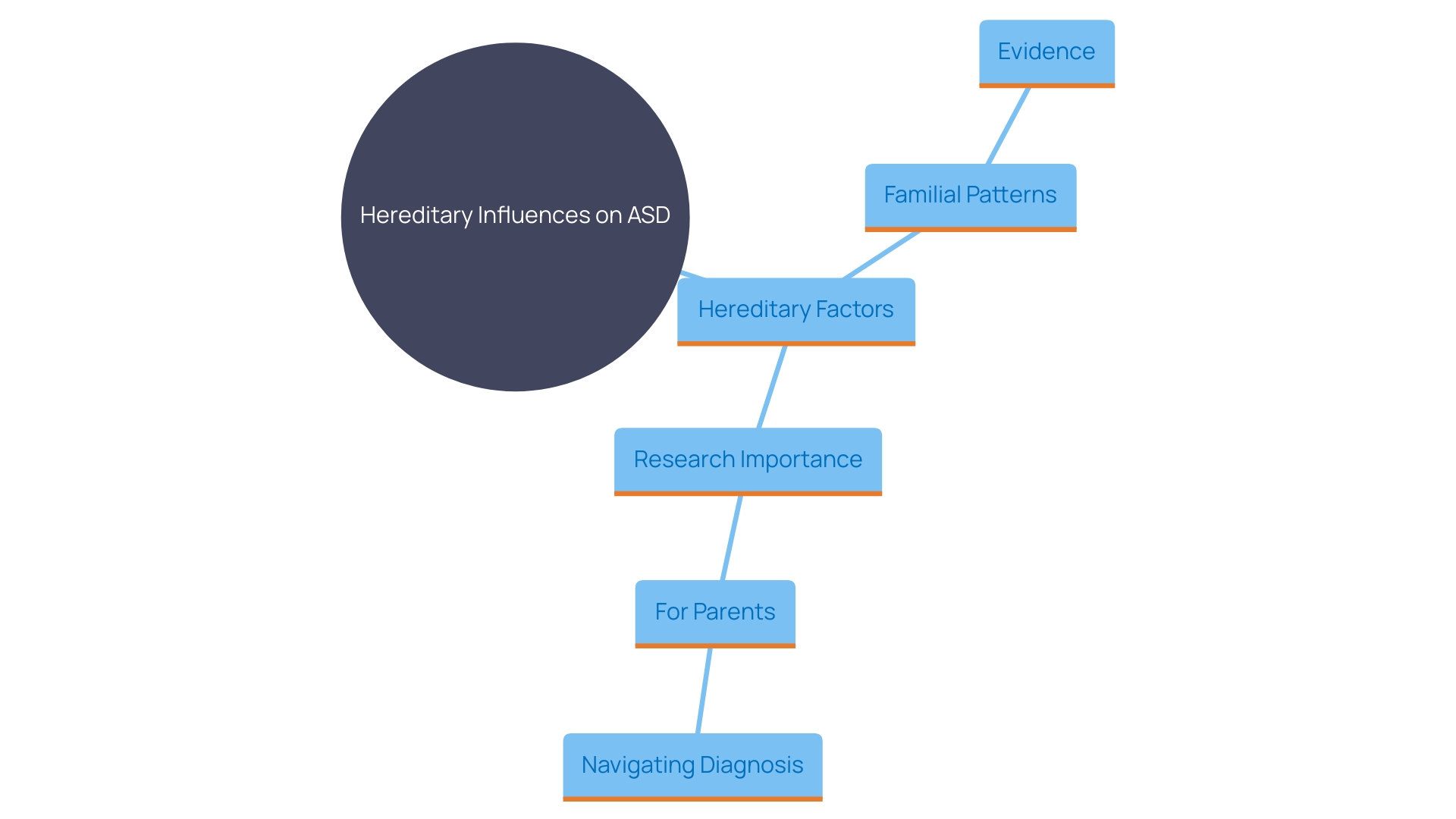
Autism Spectrum Disorder (ASD) has been extensively studied, with a significant focus on the hereditary factors influencing its development. Studies consistently emphasize that hereditary factors play a major role in an individual's vulnerability to ASD. Familial patterns of the disorder provide strong evidence for its heritable nature. A study approved by the Danish Data Protection Agency highlights the significance of hereditary research, as such studies do not require informed consent due to their reliance on existing data sets. Understanding from hereditary research is essential for parents, as they maneuver through the complex terrain of a developmental disorder diagnosis.
Twin Studies: Evidence for Genetic Contribution
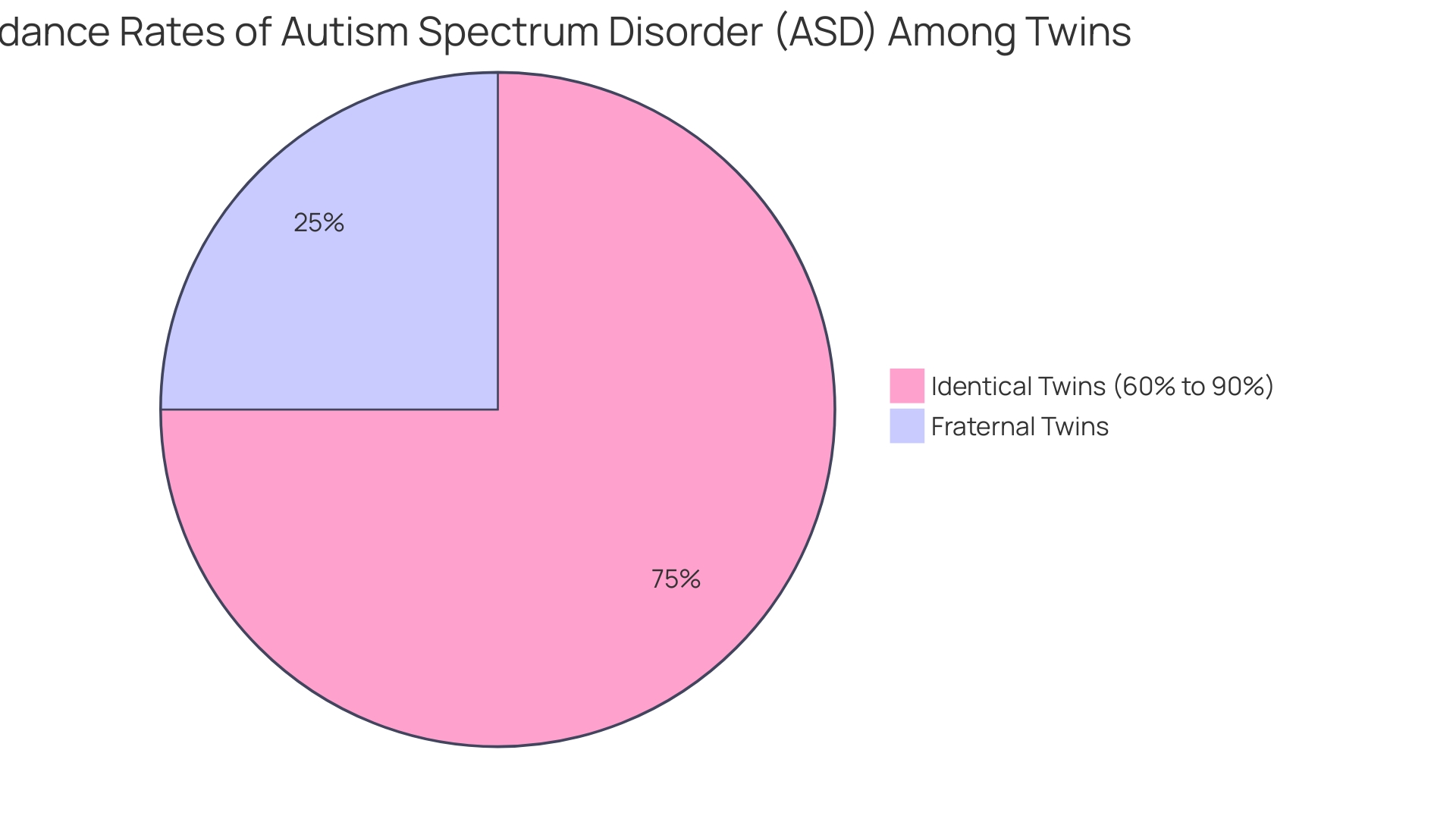
Twin studies have provided significant insights into the genetic underpinnings of Autism Spectrum Disorder (ASD). These studies reveal that identical twins exhibit a notably higher concordance rate for the condition compared to fraternal twins. For instance, research has demonstrated that if one identical twin is diagnosed with autism, the likelihood of the other twin also receiving a diagnosis ranges between 60% and 90%. This substantial difference underscores the profound hereditary factors influencing the development of ASD, highlighting the critical role genes play in its manifestation.
Common and Rare Genetic Variants in ASD
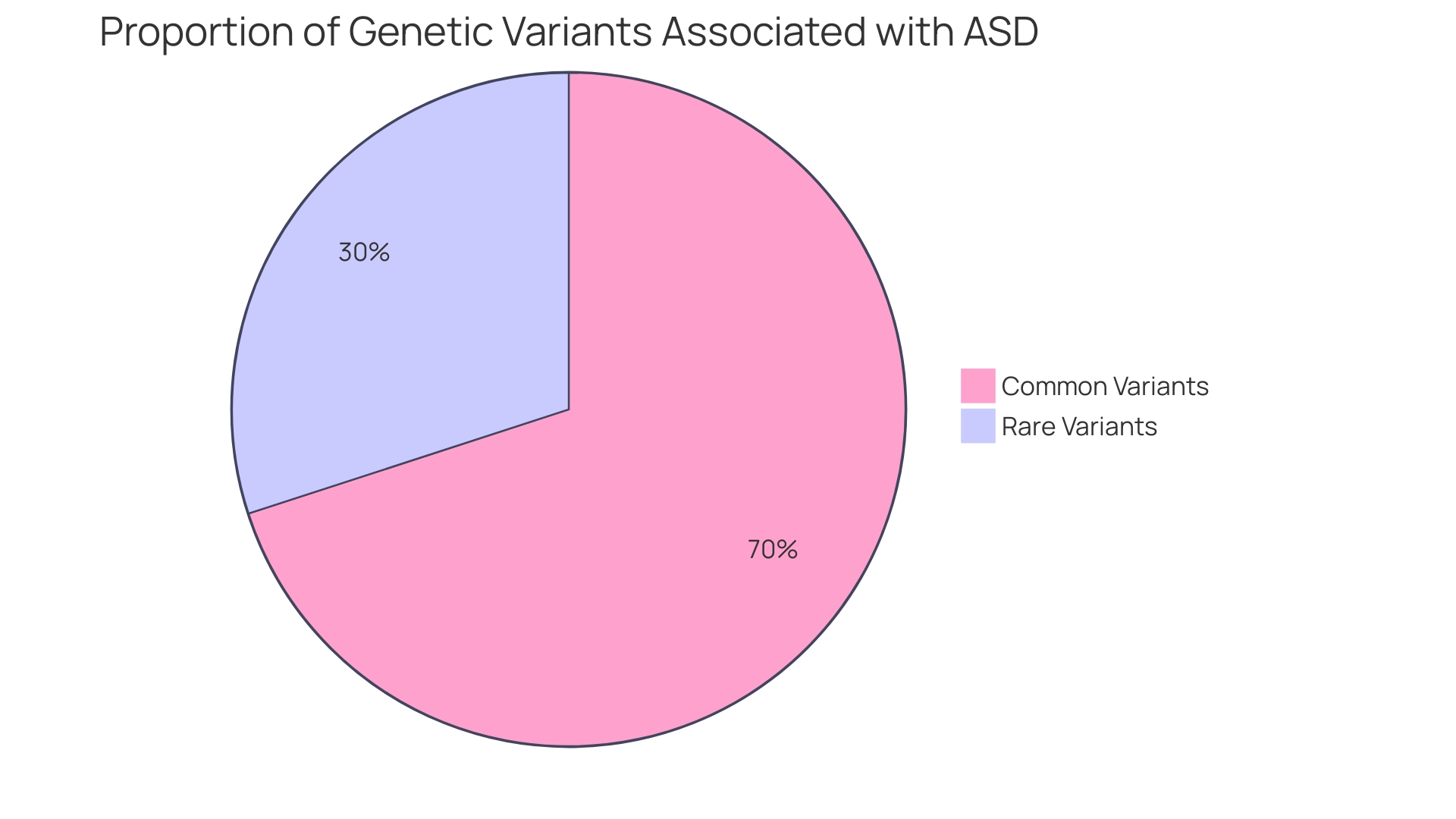
Recent advancements in genomic research have unveiled both common and rare variations associated with Autism Spectrum Disorder (ASD). Common variants, which are found in a significant portion of the population, contribute to a modest increase in risk. In contrast, rare variants can have a more substantial impact on the development of ASD. For instance, alterations in genes like CHD8 and SYNGAP1 have been strongly associated with developmental disorders, emphasizing the complex nature of hereditary influences.
A recent report from the National Institute of Mental Health (NIMH) highlights the significance of uncommon hereditary differences in mental health studies, including developmental disorders. This selected compilation of human genes with notable variants linked to psychiatric disorders seeks to improve the comprehension of the biological foundations of these conditions. The report underscores that while common variations are still under investigation, the focus remains on rare variants due to their pronounced effects.
Moreover, Professor Iossifov from Cold Spring Harbor Laboratory has created a tool named Genotypes and Phenotypes in Families (GPF), which could transform our comprehension of the hereditary origins of neurodevelopmental disorders. This innovation may pave the way for new discoveries and targeted interventions, providing hope for families affected by ASD.
Environmental Factors and Their Interaction with Genetics
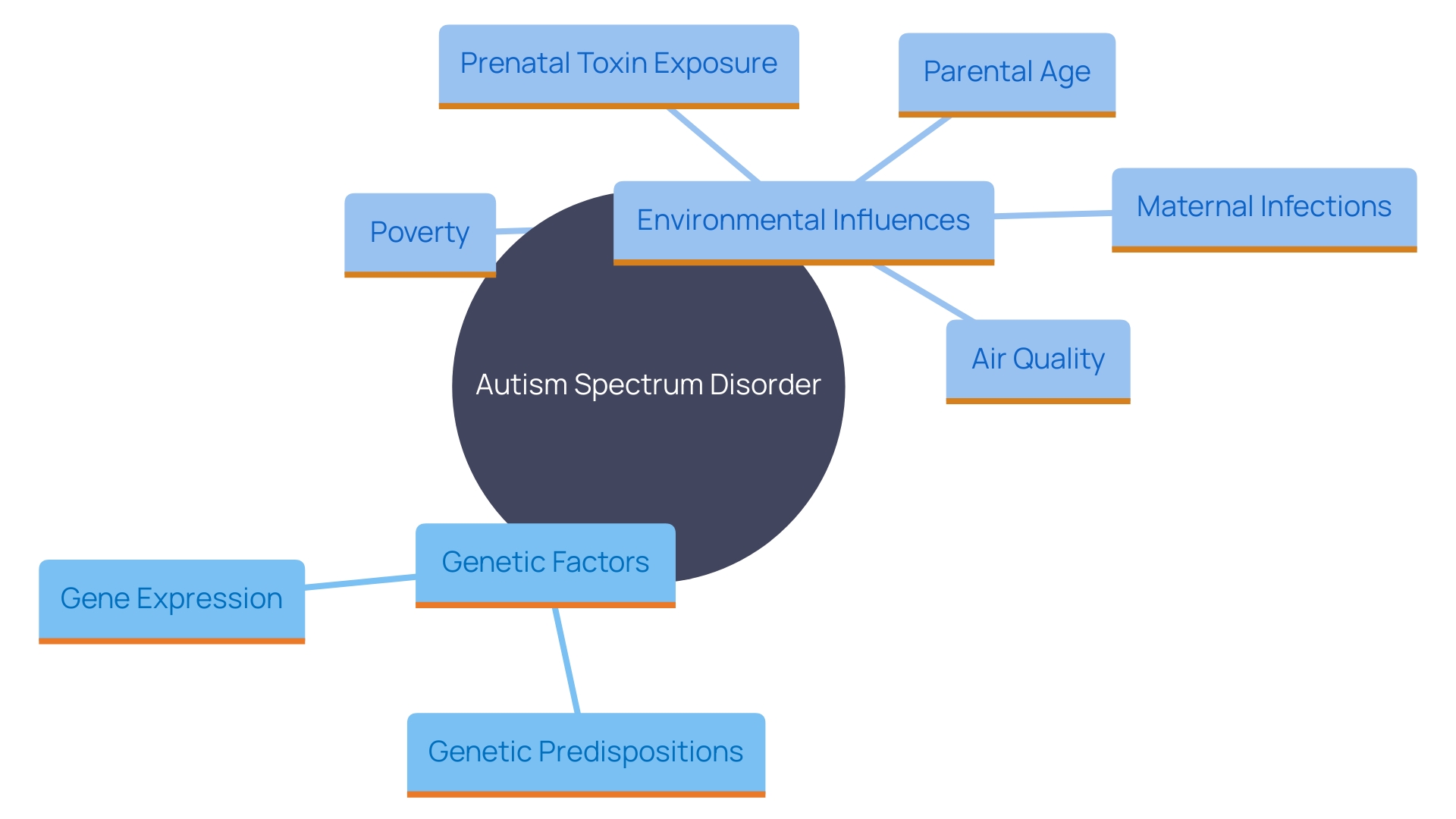
Genetics undoubtedly play a critical role in the development of Autism Spectrum Disorder (ASD), but environmental influences are also significant. These elements can engage with genetic tendencies, possibly raising the likelihood of the condition. Prenatal exposure to toxins, maternal infections, and perinatal complications are some examples that can alter gene expression. The complexity of environmental exposures is profound, encompassing elements like pathogen exposure in utero, air quality, poverty, and even parental age. According to experts, “Technologies to understand environment haven’t been able to catch up. You can’t just take a blood sample and decide what all your exposures are.” This highlights the intricate and often transient nature of these factors. The multifaceted interaction between genes and the environment underscores the necessity for a comprehensive approach to understanding autism's origins.
Conclusion
Understanding Autism Spectrum Disorder (ASD) requires a comprehensive exploration of both genetic and environmental factors. The significant role genetics plays in ASD is underscored by familial patterns and twin studies, which reveal a strong heritable nature of the disorder. Identical twins show a much higher concordance rate for autism compared to fraternal twins, emphasizing the profound influence of genetic factors.
Recent research has identified both common and rare genetic variants linked to ASD, with tools like Genotypes and Phenotypes in Families (GPF) promising to enhance understanding and lead to targeted interventions.
Equally important is the recognition of environmental influences that interact with genetic predispositions. Factors such as prenatal exposures, maternal health, and socioeconomic conditions can significantly impact the development of autism. The complexity of these interactions necessitates a nuanced approach, as understanding the interplay between genetics and the environment is crucial for parents navigating an autism diagnosis.
By staying informed about the latest research and developments in both genetic and environmental studies, parents can better advocate for their children. This knowledge empowers them to seek appropriate resources and support, ensuring that their children receive the care and understanding they need to thrive. The journey may be challenging, but with the right information and advocacy, families can foster a supportive environment for their children on the autism spectrum.
Frequently Asked Questions
What is Autism Spectrum Disorder (ASD)?
ASD is a developmental disorder characterized by challenges in social interaction, communication, and repetitive behaviors.
How do hereditary factors influence the development of ASD?
Research indicates that hereditary factors play a significant role in an individual's vulnerability to ASD. Familial patterns provide strong evidence for its heritable nature, suggesting that genetics contribute to the likelihood of developing the disorder.
What does hereditary research entail, and why is it important?
Hereditary research involves studying existing data sets to understand genetic influences on ASD. It is significant for parents navigating the complexities of a developmental disorder diagnosis, as it sheds light on potential hereditary links.
What do twin studies reveal about ASD?
Twin studies show that identical twins have a much higher concordance rate for ASD compared to fraternal twins. If one identical twin is diagnosed with autism, the likelihood of the other twin also being diagnosed ranges from 60% to 90%, highlighting the strong genetic influence.
What are common and rare genetic variations associated with ASD?
Common variants are genetic variations found in a significant portion of the population and contribute to a modest increase in risk for ASD. Rare variants can have a more substantial impact on its development, with specific genes like CHD8 and SYNGAP1 being strongly associated with the disorder.
How is the National Institute of Mental Health (NIMH) contributing to our understanding of hereditary factors in developmental disorders?
The NIMH has compiled a report focusing on uncommon hereditary differences in mental health studies, including ASD. This report aims to enhance understanding of the biological foundations of these conditions by cataloging human genes with notable variants linked to psychiatric disorders.
What innovative tools are being developed to study the hereditary origins of ASD?
Professor Iossifov from Cold Spring Harbor Laboratory has created a tool named Genotypes and Phenotypes in Families (GPF), which may improve our understanding of the hereditary origins of neurodevelopmental disorders and lead to new discoveries and targeted interventions.
Do environmental factors also play a role in ASD?
Yes, environmental influences are significant and can interact with genetic predispositions. Factors such as prenatal exposure to toxins, maternal infections, and perinatal complications can alter gene expression, contributing to the complexity of ASD.
What are some examples of environmental exposures that may impact ASD development?
Examples include pathogen exposure in utero, air quality, poverty, and parental age. These elements can engage with genetic tendencies and potentially raise the likelihood of developing ASD.
Why is understanding the interaction between genes and the environment important?
The multifaceted relationship between genetic and environmental factors underscores the need for a comprehensive approach to understanding the origins of autism, as both play critical roles in its development.
List of Sources
- The Role of Genetics in ASD
- medrxiv.org (https://medrxiv.org/content/10.1101/2023.11.03.23298042v1)
- wonder.cdc.gov (https://wonder.cdc.gov)
- cshl.edu (https://cshl.edu/autism-genetics-the-faces-behind-the-data)
- news-medical.net (https://news-medical.net/news/20241012/UCLA-study-reveals-key-signs-for-genetic-testing-in-neurodevelopment-disorders.aspx)
- jamanetwork.com (https://jamanetwork.com/journals/jamapsychiatry/fullarticle/2817601)
- medrxiv.org (https://medrxiv.org/content/10.1101/2023.11.03.23298042v1)
- cshl.edu (https://cshl.edu/autism-genetics-the-faces-behind-the-data)
- Twin Studies: Evidence for Genetic Contribution
- medrxiv.org (https://medrxiv.org/content/10.1101/2023.11.03.23298042v1)
- cshl.edu (https://cshl.edu/autism-genetics-the-faces-behind-the-data)
- link.springer.com (https://link.springer.com/article/10.1007/s10803-024-06329-y)
- news-medical.net (https://news-medical.net/news/20231122/A-novel-theoretical-framework-for-understanding-and-treating-autism-spectrum-disorder.aspx)
- medrxiv.org (https://medrxiv.org/content/10.1101/2023.11.03.23298042v1)
- nda.nih.gov (https://nda.nih.gov/study.html?id=500)
- Common and Rare Genetic Variants in ASD
- medrxiv.org (https://medrxiv.org/content/10.1101/2023.11.03.23298042v1)
- grants.nih.gov (https://grants.nih.gov/grants/guide/notice-files/NOT-MH-24-370.html?utm_source=dlvr.it&utm_medium=twitter)
- cshl.edu (https://cshl.edu/autism-genetics-the-faces-behind-the-data)
- pubmed.ncbi.nlm.nih.gov (https://pubmed.ncbi.nlm.nih.gov/38970057)
- news-medical.net (https://news-medical.net/news/20240209/Nutritional-epigenetics-education-reduces-ultra-processed-food-intake-in-parents-of-children-with-autism-and-ADHD.aspx)
- medrxiv.org (https://medrxiv.org/content/10.1101/2023.11.03.23298042v1)
- grants.nih.gov (https://grants.nih.gov/grants/guide/notice-files/NOT-MH-24-370.html?utm_source=dlvr.it&utm_medium=twitter)
- Environmental Factors and Their Interaction with Genetics
- news-medical.net (https://news-medical.net/news/20241004/Researchers-probe-environmental-causes-of-preterm-birth-with-2428M-grant.aspx)
- medrxiv.org (https://medrxiv.org/content/10.1101/2023.11.03.23298042v1)
- magazine.jhsph.edu (https://magazine.jhsph.edu/2023/discovering-how-environment-affects-autism)
- nejm.org (https://nejm.org/doi/full/10.1056/NEJMoa2309359?query=TOC&cid=NEJM%20eToc,%20March%2021/28,%202024%20DM2332180_NEJM_Non_Subscriber&bid=-2122544292)
- medrxiv.org (https://medrxiv.org/content/10.1101/2023.11.03.23298042v1)
- magazine.jhsph.edu (https://magazine.jhsph.edu/2023/discovering-how-environment-affects-autism)


