

Introduction
Autism Spectrum Disorder (ASD) is a complex neurodevelopmental condition that impacts individuals in unique ways. With challenges in social interaction, communication, and repetitive behaviors, understanding autism is crucial for parent advocates.
In this article, we will explore the nuances of the autistic spectrum, recognize the strengths and challenges faced by individuals with autism, discuss effective communication strategies, and delve into the creation of supportive environments. Additionally, we will address the importance of advocating for comprehensive support services to ensure the well-being and success of children on the spectrum. Join us as we navigate the world of autism and empower parent advocates to make a difference in the lives of their children.
Understanding the Autistic Spectrum
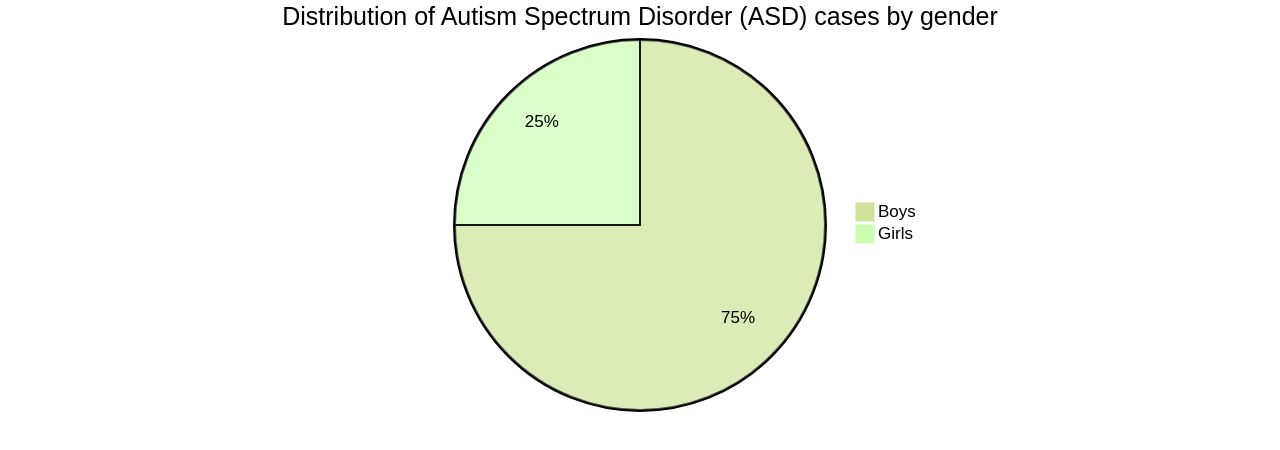
Autism Spectrum Disorder (ASD) is a neurodevelopmental condition, marked by challenges in social interaction, communication, and a tendency towards repetitive behaviors. The complexity of ASD is such that it affects individuals in unique ways, with symptoms and severity varying greatly. For instance, one in every 100 people in the UK is estimated to be autistic, with boys being three times more likely to be diagnosed than girls.
This can be attributed to the fact that many diagnostic criteria were developed with males in mind, thus creating a gap in understanding how autism manifests differently in females. Moreover, brain scans have revealed structural differences in individuals with autism as compared to those with neurotypical development. However, the exact cause of autism remains elusive, with research ongoing in areas such as heredity, genetics, and medical problems.
Misinformation such as attributing autism to vaccines, parenting styles, or nutrition has been debunked. ASD is not immediately apparent at birth, and it may take several years for signs to become noticeable. Recent research at the University of California San Diego School of Medicine has shed light on metabolic changes that occur in early childhood, which can help inform new early detection strategies for ASD.
The journey of an individual with autism is unique and not without its challenges. However, with the right blend of support, self-advocacy, community, and acceptance, individuals on the spectrum can thrive. It is crucial for parent advocates to understand these nuances to effectively navigate the challenges and support their children.
Recognizing the Unique Strengths and Challenges
Autism spectrum presents a unique blend of strengths and challenges for every individual. Parent advocates play a pivotal role in leveraging their child's strengths, such as excellent memory, developed visual thinking, attention to detail, and honesty, to empower them to unlock their full potential.
A strengths-based approach, first theorized by social worker Bertha Reynolds, can open a world of possibilities for children with autism, enabling them to make valuable contributions to society. On the other hand, understanding their challenges is equally critical.
Autistic children could face societal and psychological difficulties as they transition into adulthood. Early diagnosis, especially before the age of 4, significantly increases the likelihood of receiving necessary services.
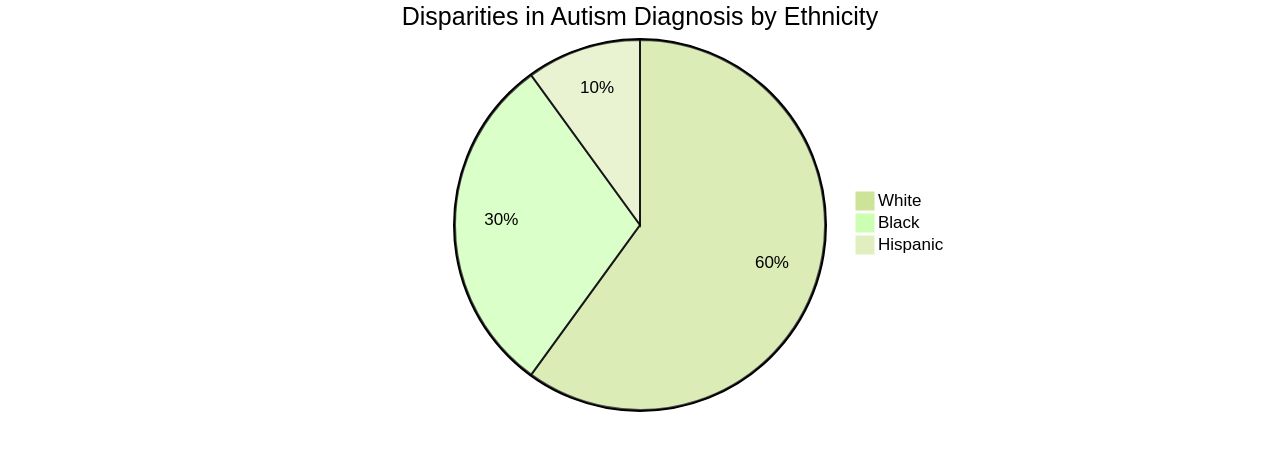
However, disparities exist, with White and Black children more likely to be identified than their Hispanic counterparts due to barriers such as stigma, lack of access to healthcare, and language differences. Furthermore, boys are four times more likely to be diagnosed, potentially due to differences in presentation among girls. Parent advocates can, therefore, play a significant role in addressing these challenges and providing the needed support and accommodations. This dual approach of celebrating strengths and addressing challenges can help children with autism overcome obstacles and succeed.
Building Effective Communication Strategies
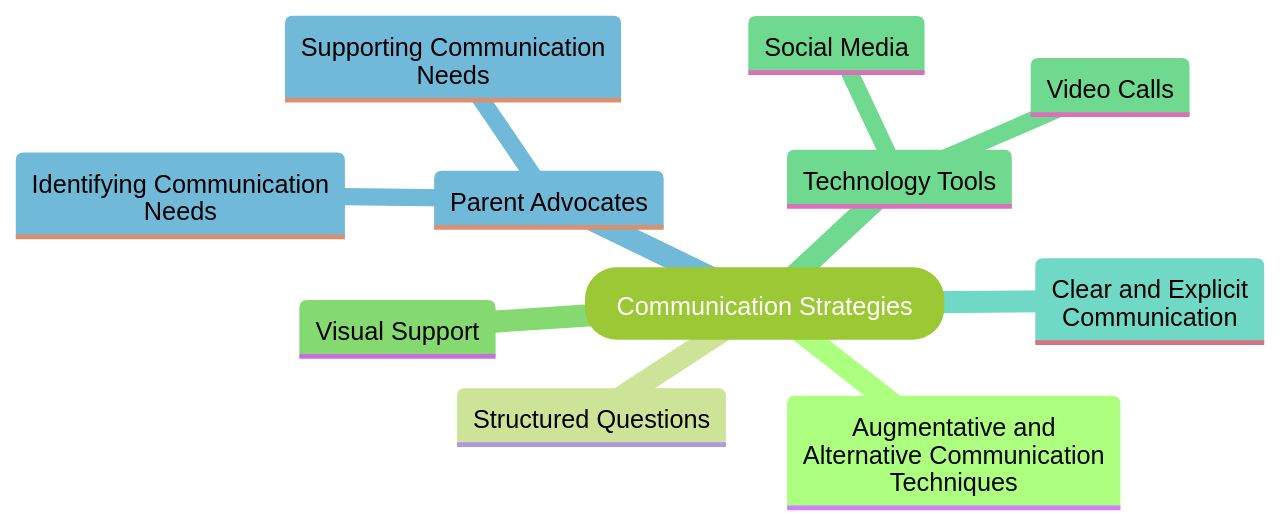
Navigating the communication landscape with autistic individuals can be a complex journey. Every autistic individual is unique, with their strengths and challenges in expressing their thoughts and feelings. For those with limited verbal abilities, alternative communication methods, such as augmentative and alternative communication techniques, can be beneficial.
These techniques encompass the use of photos, gestures, visuals like the Picture Exchange Communication System (PECS), or even typing as a preferred mode of expression. On the other hand, some individuals may find structured questions useful in initiating conversations or connecting with others. What's crucial is providing clear, explicit communication that clarifies expectations, supplemented with visual support.
This approach can significantly enhance understanding and foster effective communication. Recent studies have shown that assumptions about the communication abilities of nonspeaking autistic individuals have been seriously underestimated. Many of these individuals have demonstrated knowledge of written language conventions, indicating potential literacy.
This finding is a game-changer, opening doors to alternative methods of expression through writing. In our increasingly digital age, technology offers another avenue for autistic individuals to express themselves. Social media networks can provide community, while video calls can bridge distances.
These digital tools can alleviate communication pressure, offering an alternative way of engaging with others and the world. Remember, patience and understanding are key. As a parent advocate, your role is to identify these strengths and challenges and to explore strategies that best support your child's unique communication needs.
Creating Supportive Environments
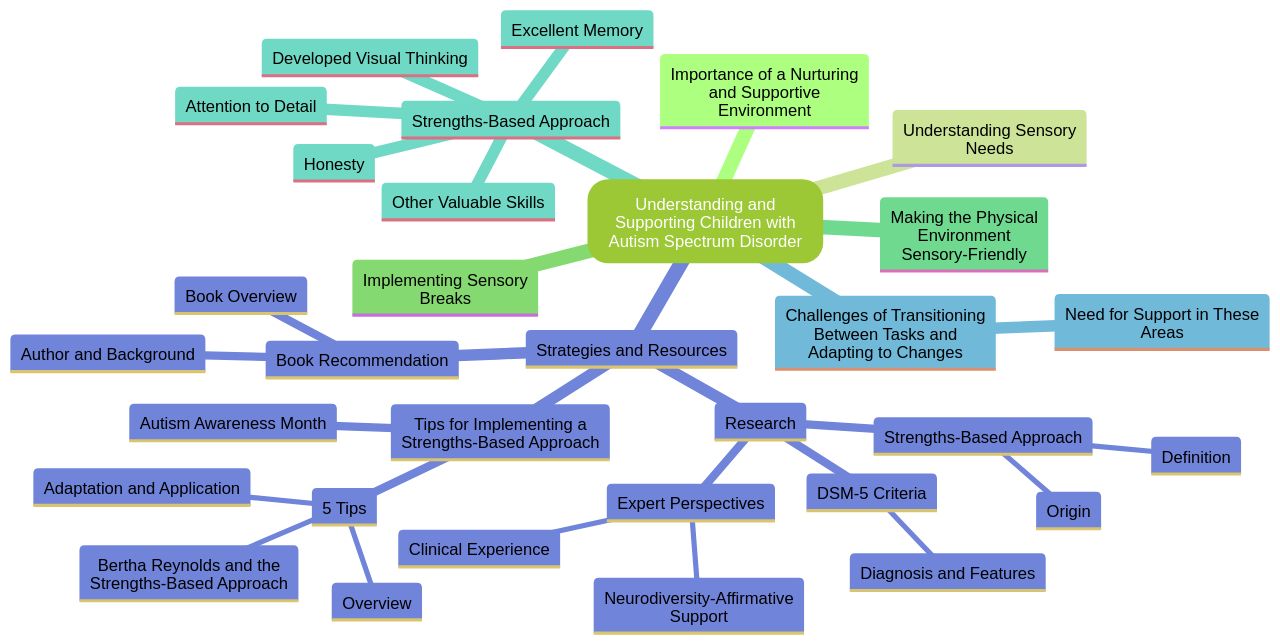
Children on the Autism Spectrum flourish best in an environment that is both nurturing and supportive. As parent advocates, the first step towards creating such an environment is an understanding of their child's unique sensory needs.
This understanding paves the way for a serene and predictable daily routine, which can significantly alleviate sensory overload. Implementing strategies such as sensory breaks and making sure the physical environment is sensory-friendly can provide the necessary support for children to thrive.
For instance, the development of sensory rooms in educational institutions has been an effective approach for creating a safe haven for children with autism. Adopting a strengths-based approach, which emphasizes the unique abilities that children with Autism Spectrum Disorder (ASD) often have, like exceptional memory, meticulous attention to detail, and developed visual thinking, can be effective in supporting these children.
It's crucial to remember that the aim isn't to 'fix' the child, but to build an environment that encourages their growth and development. Furthermore, it's vital to provide autistic individuals with adequate support when transitioning between tasks and adapting to changes, which can be particularly challenging for those who rely on routine and predictability. By concentrating on strengths and providing the necessary support, parent advocates can empower children on the autism spectrum to realize their full potential. The digital platform 'www.asd.media' offers unlimited access to a wealth of resources, which can aid parents in better understanding and managing their child's sensory needs. Subscription options include a monthly plan for $5-7 and an annual plan for $130, allowing for continuous learning and support.
Advocating for Comprehensive Support Services
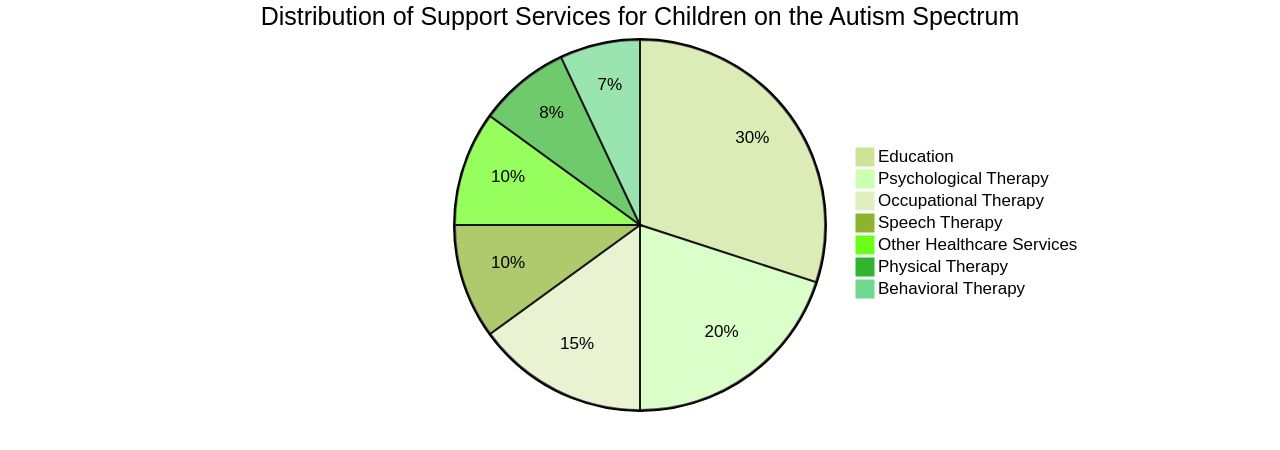
As advocates, parents of children on the Autism Spectrum shoulder the responsibility to ensure their children receive all-encompassing support services. This includes, but is not limited to, access to appropriate education, diverse therapies, and targeted interventions.
The support system extends to encompass psychological services, occupational therapy, speech and physical therapy, behavioral therapy, and more. It is crucial to note that both federal and state healthcare protections are in place to prevent discrimination against autistic individuals, ensuring access to all forms of healthcare services.
Hearing stories from families who have experienced positive changes can be incredibly encouraging, offering hope for what can be achieved with the right support. However, it is also essential to acknowledge the challenges.
As the former president of the Ontario Autism Coalition, Laura Kirby-McIntosh, points out, there is a severe lack of services for autistic children over five, and many families are distressed by the situation. Advocacy is not only about fighting for the right services but also about ensuring the services are tailored to the child's needs, closely monitoring progress, and adjusting strategies as necessary.
The partnership between therapists and families is vital, with open communication being key to working towards shared goals. The advocacy journey is personal and can be arduous, but it is also rewarding. As parents, we share in our children's joys and are vigilant about their safety and well-being. We understand that advocacy comes in different forms, and our role as parents is to ensure that our children receive the care they need, when they need it. The statistics are sobering, with reports indicating that more than one in four parents have waited over three years to receive support for their autistic child. These figures serve as a stark reminder of the importance of our role as advocates, pushing for improvements in the system and ensuring our children receive the support they need to thrive.
Conclusion
In conclusion, as parent advocates, understanding the nuances of the autistic spectrum is crucial. Autism Spectrum Disorder (ASD) affects individuals in unique ways, with varied symptoms and severity.
By leveraging their strengths and addressing their challenges, we can empower children on the spectrum to reach their full potential. Effective communication strategies play a key role in connecting with autistic individuals.
Alternative methods like augmentative and alternative communication techniques, structured questions, and visual support enhance understanding and foster effective communication. Recent studies have shown potential literacy skills in nonspeaking individuals, opening doors for alternative modes of expression through writing.
Technology also offers new avenues for connection and engagement. Creating supportive environments is vital for the well-being of children with autism.
Understanding their sensory needs and implementing strategies like sensory breaks and sensory-friendly environments alleviate sensory overload. Adopting a strengths-based approach fosters growth while providing support during transitions empowers children to succeed.
Advocating for comprehensive support services is our responsibility as parent advocates. This includes access to appropriate education, therapies, interventions, and psychological services. Tailoring services to meet individual needs, monitoring progress, and maintaining open communication with therapists are essential aspects of advocacy. The journey may be challenging but rewarding. We prioritize our children's well-being and strive for improvements in the system to ensure timely support for those on the autism spectrum. Together as parent advocates, we can make a difference by providing comprehensive support services that enable our children to thrive.
Frequently Asked Questions
What is Autism Spectrum Disorder (ASD)?
Autism Spectrum Disorder is a neurodevelopmental condition characterized by challenges in social interaction, communication, and repetitive behaviors. It affects individuals uniquely, with varying symptoms and severity.
How common is ASD and who does it affect the most?
Approximately one in every 100 people in the UK is estimated to be autistic. Boys are three times more likely to be diagnosed with ASD than girls.
Why are boys more likely to be diagnosed with autism than girls?
Many diagnostic criteria for autism were originally developed with males in mind, which may contribute to a gap in understanding how autism manifests differently in females.
Is the cause of autism known?
The exact cause of autism is still unknown. Research is ongoing in areas such as heredity, genetics, and medical problems.
Have any factors been debunked as causes of autism?
Yes. Misinformation that attributed autism to vaccines, parenting styles, or nutrition has been debunked.
When do signs of ASD typically become noticeable?
ASD is not immediately apparent at birth. It may take several years for the signs to become noticeable.
What recent research has been conducted regarding ASD?
Research at the University of California San Diego School of Medicine has highlighted metabolic changes in early childhood that could lead to new early detection strategies for ASD.
What are some strengths of individuals with autism?
Some strengths may include excellent memory, developed visual thinking, attention to detail, and honesty.
What role do parent advocates play in the lives of children with autism?
Parent advocates are essential in leveraging their child's strengths, understanding their challenges, and ensuring they receive necessary services and support.
What are the challenges faced by autistic children, and how can they be addressed?
Autistic children may face societal and psychological difficulties, especially as they transition into adulthood. Early diagnosis, support services, and accommodations can help address these challenges.
Are there disparities in the diagnosis of autism?
Yes, disparities exist. For example, White and Black children are more likely to be identified as autistic than their Hispanic counterparts, and boys are four times more likely to be diagnosed than girls.
How can communication be enhanced for individuals with ASD?
Alternative communication methods, such as augmentative and alternative communication techniques like PECS, structured questions, and digital tools like social media and video calls, can be beneficial.
What is essential when communicating with autistic individuals?
Providing clear, explicit communication with visual support is essential, as well as being patient and understanding of their unique communication needs.
How can supportive environments be created for children with ASD?
Understanding a child's unique sensory needs and creating a supportive physical environment with predictable routines, sensory breaks, and sensory-friendly spaces can help children with ASD thrive.
What resources are available to help parents create supportive environments for children with ASD?
The digital platform 'www.asd.media' offers resources to help parents understand and manage their child's sensory needs, with subscription options available for continuous support.
What is the role of parents in advocating for comprehensive support services for children with ASD?
Parents must ensure their children receive appropriate education, therapies, and interventions. They should work closely with therapists, monitor progress, and adjust strategies as necessary.
What are the challenges in the availability of support services for autistic children?
A significant challenge is the lack of services for autistic children over the age of five. Many parents have waited over three years to receive support, highlighting the necessity of advocacy for improved services.
List of Sources
- Understanding the Autistic Spectrum
- bbc.co.uk (https://www.bbc.co.uk/ideas/videos/theres-no-one-way-to-be-autistic/p0fqdsrd)
- phxautism.org (https://phxautism.org/resources/what-is-autism/)
- aihw.gov.au (https://www.aihw.gov.au/reports/disability/autism-in-australia/contents/autism)
- quillette.com (https://quillette.com/2024/04/21/an-absurd-umbrella-neurodiversity-and-the-autism-spectrum/)
- momschoiceawards.com (https://www.momschoiceawards.com/blog/signs-of-autism-in-girls-and-why-they-may-go-unrecognized/)
- columbiadoctors.org (https://www.columbiadoctors.org/news/adults-autism-difficulties-and-strengths)
- today.ucsd.edu (https://today.ucsd.edu/story/metabolism-of-autism-reveals-developmental-origins)
- news-medical.net (https://www.news-medical.net/news/20240417/Study-suggests-a-promising-new-approach-to-understanding-autism.aspx)
- theepochtimes.com (https://www.theepochtimes.com/health/new-research-validates-autisms-link-to-gut-5394935)
- cnet.com (https://www.cnet.com/health/mental/heres-what-you-need-to-know-about-autism-spectrum-disorder/)
- Recognizing the Unique Strengths and Challenges
- phxautism.org (https://phxautism.org/resources/what-is-autism/)
- journals.sagepub.com (https://journals.sagepub.com/doi/pdf/10.1177/13623613231182756)
- ies.ed.gov (https://ies.ed.gov/blogs/research/post/early-intervention-and-beyond-how-experience-with-young-children-and-special-education-motivated-a-career-in-autism-research)
- elearningindustry.com (https://elearningindustry.com/autism-awareness-month-supporting-strengths)
- nimh.nih.gov (https://www.nimh.nih.gov/news/science-news/2024/accelerating-science-to-improve-early-autism-screening)
- liebertpub.com (https://www.liebertpub.com/doi/10.1089/aut.2021.0088)
- neurosciencenews.com (https://neurosciencenews.com/neurodiversity-strength-25818/)
- apa.org (https://www.apa.org/monitor/2024/03/effective-treatment-autistic-adults)
- columbiadoctors.org (https://www.columbiadoctors.org/news/adults-autism-difficulties-and-strengths)
- kevinmd.com (https://www.kevinmd.com/2023/05/unlocking-the-power-of-autism-how-accommodations-and-acceptance-can-benefit-us-all.html)
- journals.lww.com (https://journals.lww.com/jrnldbp/abstract/2008/06000/disparities_in_diagnosis_and_access_to_health.2.aspx)
- cdc.gov (https://www.cdc.gov/nchs/products/databriefs/db473.htm)
- Building Effective Communication Strategies
- pubs.asha.org (https://pubs.asha.org/doi/full/10.1044/2023_PERSP-23-00104)
- pubmed.ncbi.nlm.nih.gov (https://pubmed.ncbi.nlm.nih.gov/37313615)
- accessibility.com (https://www.accessibility.com/blog/empowering-communication-and-engagement-digital-accessibility-for-autism)
- apa.org (https://www.apa.org/monitor/2024/03/effective-treatment-autistic-adults)
- autism.umd.edu (https://autism.umd.edu/2023/08/03/fit-study/)
- psychologytoday.com (https://www.psychologytoday.com/us/blog/nurturing-self-esteem-in-autistic-children/202312/navigating-communication-differences-between)
- as.virginia.edu (https://as.virginia.edu/study-reveals-unexpected-literacy-autistic-people-who-cannot-speak)
- journals.sagepub.com (https://journals.sagepub.com/doi/10.1177/13623613231183059)
- pubs.asha.org (https://pubs.asha.org/doi/full/10.1044/2023_PERSP-23-00104)
- Creating Supportive Environments
- journals.sagepub.com (https://journals.sagepub.com/doi/10.1177/13623613241236110)
- forbes.com (https://www.forbes.com/sites/anuradhavaranasi/2024/03/25/the-countries-most-and-least-accepting-of-autistic-individuals/)
- mosaicofmindss.substack.com (https://mosaicofmindss.substack.com/p/how-to-treat-a-person-with-disabilities)
- biaza.org.uk (https://biaza.org.uk/news/detail/autism-acceptance-claire-rigby)
- skiptomylou.org (https://www.skiptomylou.org/autism-quotes/)
- pubmed.ncbi.nlm.nih.gov (https://pubmed.ncbi.nlm.nih.gov/37332371)
- journals.sagepub.com (https://journals.sagepub.com/doi/10.1177/13623613231196805)
- medium.com (https://medium.com/usaid-2030/creating-inclusive-spaces-for-all-184beeff7609)
- elearningindustry.com (https://elearningindustry.com/autism-awareness-month-supporting-strengths)
- blog.auticon.us (https://blog.auticon.us/autism-in-agile-environments)
- elearningindustry.com (https://elearningindustry.com/autism-awareness-month-supporting-strengths)
- phxautism.org (https://phxautism.org/resources/what-is-autism/)
- routledge.com (https://www.routledge.com/Is-This-Autism-A-Guide-for-Clinicians-and-Everyone-Else/Henderson-Wayland-White/p/book/9781032150222)
- Advocating for Comprehensive Support Services
- cbc.ca (https://www.cbc.ca/news/canada/toronto/ontario-erinoakkids-treatment-centre-cuts-autism-supports-1.6896414)
- autismspeaks.org (https://www.autismspeaks.org/advocacy-news/advocating-those-severe-intense-and-challenging-behaviors)
- n8research.org.uk (https://www.n8research.org.uk/research-focus/child-of-the-north/2024-campaign/autism/)
- respectability.org (https://www.respectability.org/2023/12/autistic-support-services/)
- insteadofaba.org (https://www.insteadofaba.org/)
- whenwomeninspire.com (https://whenwomeninspire.com/2024/03/21/aba-therapy-autism-support/)
- journals.sagepub.com (https://journals.sagepub.com/doi/10.1177/13623613231212794)
- insteadofaba.org (https://www.insteadofaba.org/)
- phxautism.org (https://phxautism.org/resources/what-is-autism/)
- respectability.org (https://www.respectability.org/2023/12/autistic-support-services/)


