

Introduction
Autism is a neurodevelopmental disorder that can be identified in children as young as 2 years old. In this article, we will explore the early signs of autism in 2-year-olds, communication challenges faced by children with autism, playtime challenges, behavioral challenges, the importance of early intervention, and evidence-based practices for supporting children with autism. By understanding these topics, parents and caregivers can gain valuable insights and resources to navigate the challenges and ensure the well-being of their children.
Early Signs of Autism in 2-Year-Olds
Autism is a neurodevelopmental disorder that can be identified in children as young as 2 years old. While every child is unique and may develop at their own pace, there are certain early signs that may indicate the presence of autism. These signs can include:- Limited or no eye contact- Lack of response to their name- Delayed or no spoken language- Repetitive behaviors or movements- Difficulty with social interactions It's important to remember that these signs may not necessarily indicate autism, but they could be red flags that warrant further evaluation by a healthcare professional.
Communication Challenges
Understanding and aiding communication for children with autism is a vital aspect of their development and daily life. These children may struggle to convey their thoughts and feelings, as well as interpret the communication efforts of others. This challenge can create barriers to their expression and understanding, potentially leading to frustration or confusion.
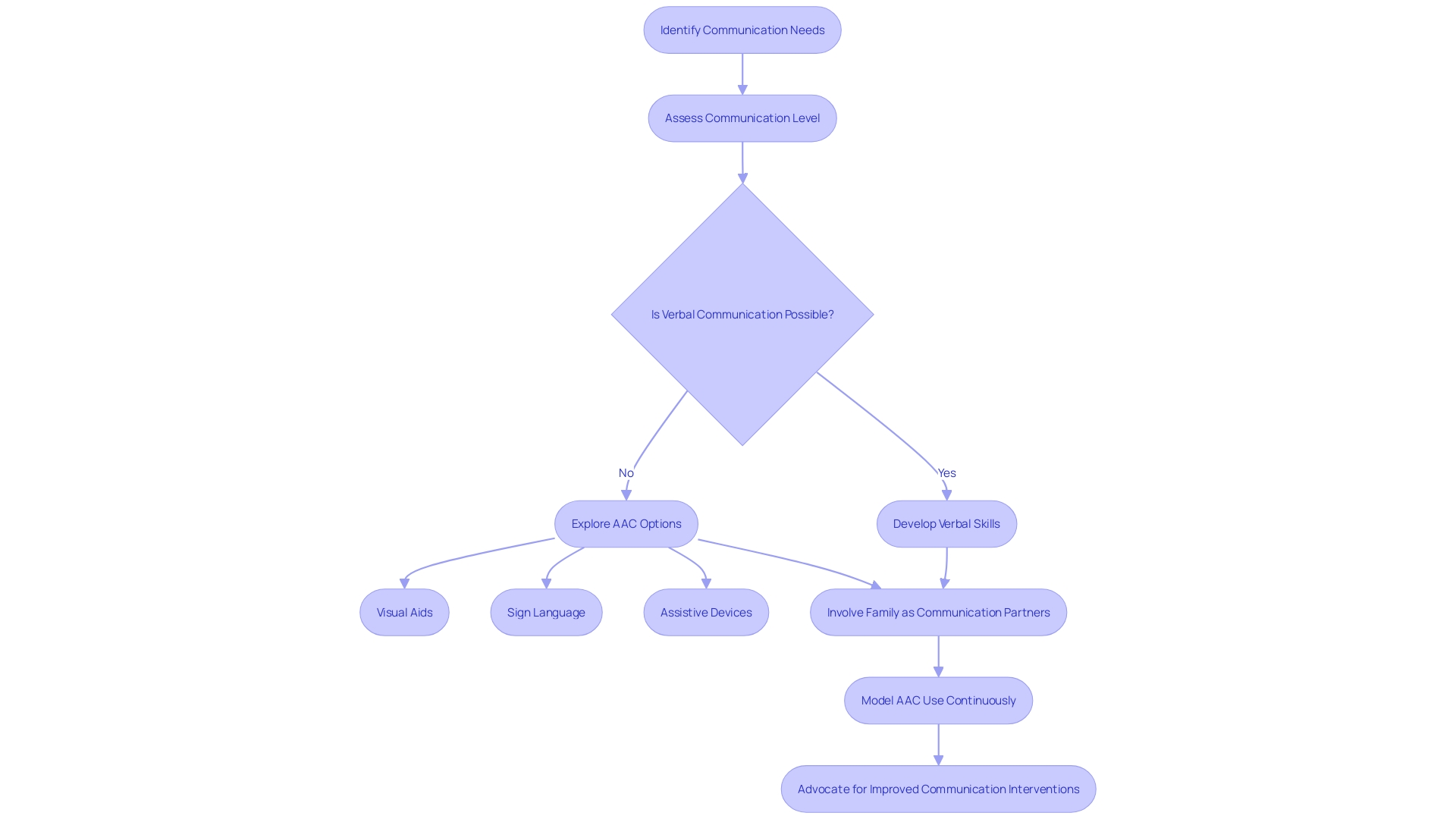
It is crucial for parents and caregivers to embrace and implement alternative communication methods tailored to each child's unique needs. Visual aids can be a lifeline for those who find verbal communication daunting, while sign language offers a tactile and engaging way to connect without spoken words. Assistive communication devices also provide a voice to those who might otherwise be unheard.
As highlighted by experts, every interaction with a child who utilizes augmentative and alternative communication (AAC) systems is an opportunity to strengthen their communication skills. The role of families is paramount, given that children spend a significant portion of their waking hours at home. Continuous modeling of AAC use is recommended, ensuring that the communication device is always within reach and integrated into daily routines.
This level of commitment from families as communication partners is supported by research, which underscores the importance of constant, quality interaction for effective communication development. While studies have noted design flaws that impede clear understanding of intervention impacts, the dedication of those within the autism community, including researchers, has been pivotal in advocating for improvements in the quality and reporting of research. This advocacy demonstrates a profound respect for individuals with autism and emphasizes the importance of informed, ethical intervention practices.
Playtime Challenges
Navigating playtime for toddlers with autism requires a unique approach that embraces their individual needs. For 2-year-olds on the spectrum, unstructured play, which allows children to freely explore and express their creativity without rigid guidelines, is often a challenge due to their preference for routine and predictability.
They may find engaging in imaginative scenarios difficult, or they might not easily connect with peers during social play, often resorting to repetition in their activities. As caregivers, fostering a play environment that is both supportive and consistent is crucial.
Employing strategies like visual aids to outline playtime activities or setting up a series of clear, simple instructions can be beneficial. It's also valuable to tailor play to the child's specific interests and capabilities, ensuring they feel comfortable and engaged. Encouraging interaction with neurotypical children in a controlled setting can also be instrumental in developing their social skills. This careful balance of structure and inclusivity in play is essential in light of the broader decline in free play among children, a trend influenced by societal changes over the past few decades.
Behavioral Challenges
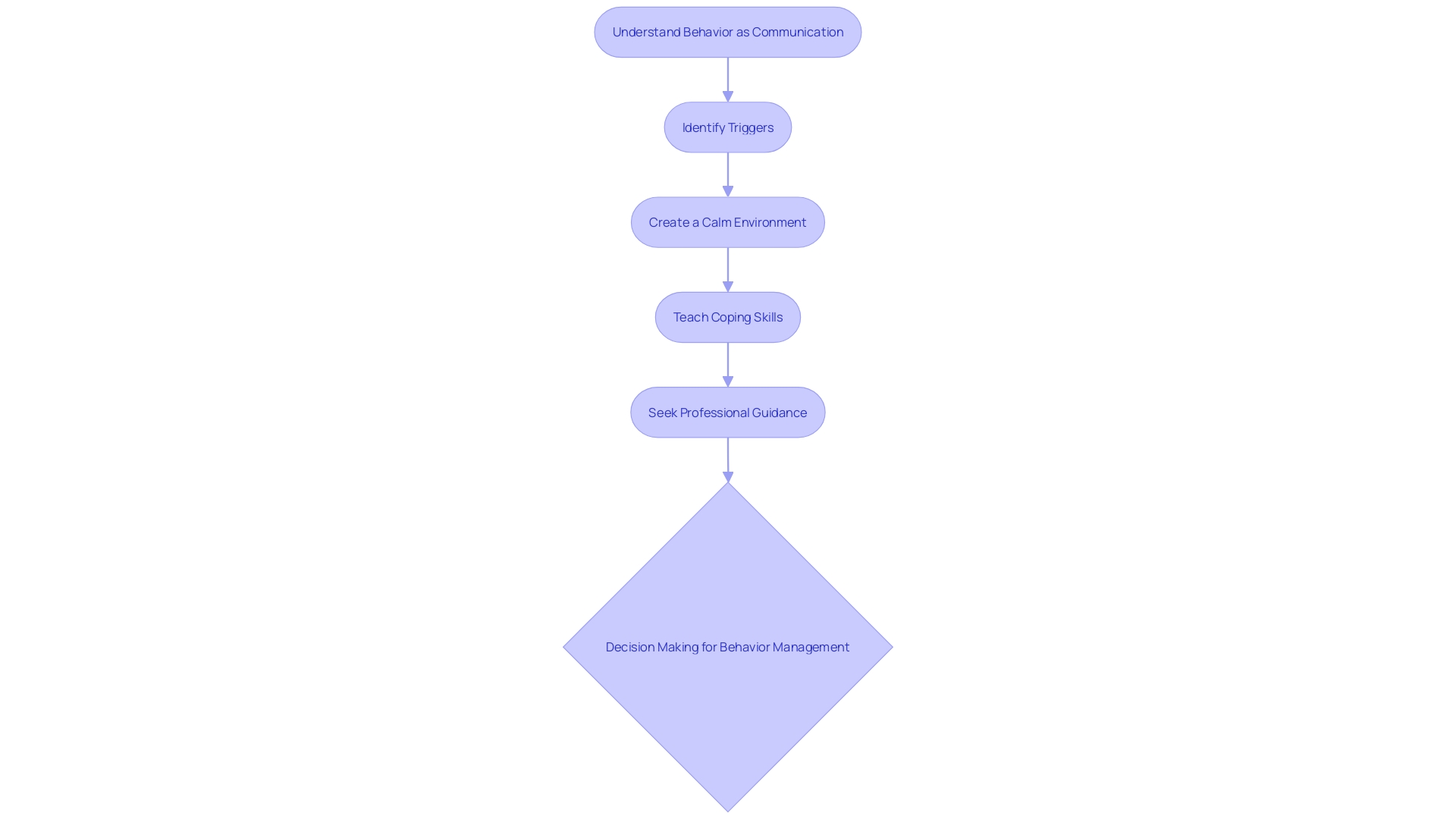
Children with autism may exhibit challenging behaviors, such as tantrums, aggression, or self-stimulatory behaviors. It's crucial to understand that these behaviors are often a form of communication or a response to sensory overload.
As a parent advocate, it's important to identify the triggers for these behaviors and develop strategies to address them. This can include creating a calm and predictable environment, teaching alternative coping skills, and seeking the guidance of a behavior therapist or psychologist.
Importance of Early Intervention
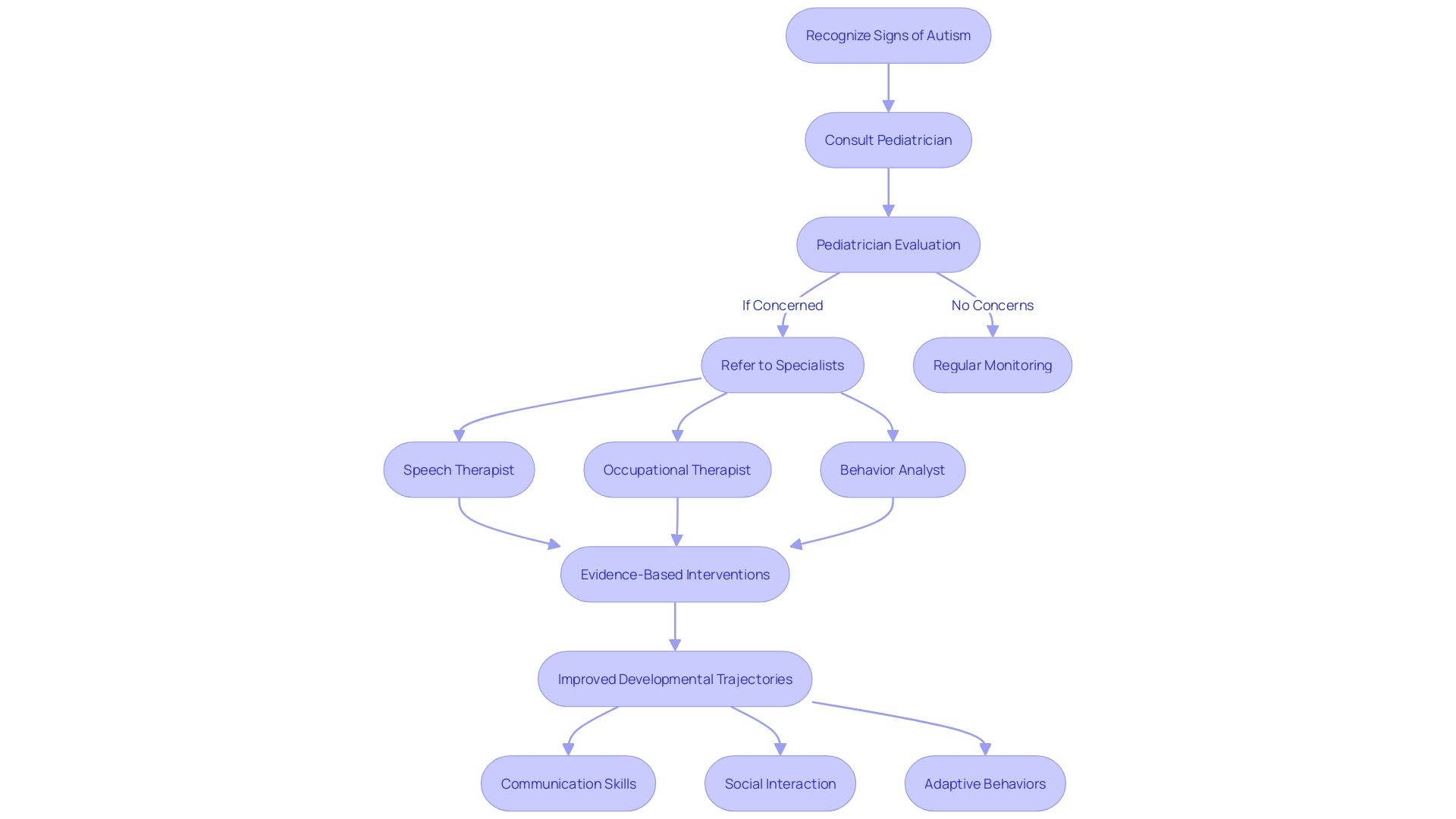
Recognizing and addressing autism in children at the earliest stages can lead to substantially improved developmental trajectories. Groundbreaking studies underscore the importance of prompt action, revealing that well-timed intervention can propel progress in critical areas such as communication, social interaction, and adaptive behaviors.
Parents and caregivers are encouraged to collaborate with a diverse team of specialists, including speech therapists who enhance communication skills, occupational therapists who foster daily living skills, and behavior analysts who strategize on positive behaviors. This collective effort, informed by the latest research methodologies, including the shift toward randomized controlled trials, ensures that interventions are both scientifically sound and tailored to each child's unique needs.
Evidence-Based Practices for Supporting Children with Autism
In the realm of autism support, the cornerstone of effective care is the application of evidence-based interventions. These strategies are not just well-intentioned methods but are backed by rigorous scientific validation.
Crucial to these practices is the meticulous analysis and synthesis of non pharmacological intervention studies, which are essential in understanding the multifaceted impacts of autism therapies. For instance, Applied Behavior Analysis (ABA), speech therapy, social skills training, and sensory integration therapy are all interventions that stand on the firm ground of empirical evidence.
Clinicians are increasingly informed by research that employs randomized controlled trials over quasi-experimental studies, ensuring greater reliability of results. Despite this, many studies still exhibit design flaws, underscoring the need for critical evaluation of their effectiveness, scope of change, potential harm, and community impact.
This scrutiny is vital as it addresses the ethical dimensions of research conduct and respects the autism community's involvement in shaping intervention standards. As articulated by experts, a robust respect for data is crucial to avoid the pitfalls of reductionist views that overlook the complexity of human behavior. Evidence in autism intervention must encompass not just quantifiable outcomes but also the qualitative experiences of those affected, understanding that learning and development are deeply embedded in social and cultural contexts. Therefore, working with professionals trained in these validated practices not only maximizes the developmental support for children with autism but also aligns with a holistic, respectful approach to their unique needs.
Conclusion
In conclusion, early identification of autism in 2-year-olds is crucial. Look out for signs like limited eye contact, delayed language, repetitive behaviors, and social difficulties. Consult a healthcare professional if these signs are present.
Supporting communication is vital. Use visual aids, sign language, and assistive devices to bridge the communication gap. Model augmentative and alternative communication (AAC) at home.
Playtime can be challenging for toddlers with autism. Create a supportive environment with visual aids and tailor activities to their interests. Encourage interaction with neurotypical children for social skill development.
Address behavioral challenges by identifying triggers and creating a calm environment. Seek guidance from professionals if needed. Early intervention is key to improved outcomes.
Collaborate with specialists like speech therapists, occupational therapists, and behavior analysts for tailored support. Rely on evidence-based practices such as Applied Behavior Analysis (ABA), speech therapy, social skills training, and sensory integration therapy. By following these insights and utilizing evidence-based practices, parents can navigate the challenges of autism while ensuring their child's well-being and development.
Frequently Asked Questions
What are early signs of autism in 2-year-old children?
Limited or no eye contact, lack of response to their name, delayed or no spoken language, repetitive behaviors or movements, difficulty with social interactions.
Can these early signs definitely indicate autism?
No, while these signs may suggest autism, they are not a definitive diagnosis and should prompt further evaluation by a healthcare professional.
What communication challenges do children with autism face?
Children with autism may have difficulty expressing their thoughts and feelings and understanding others' communication efforts, leading to frustration or confusion.
How can communication be aided for children with autism?
Alternative communication methods such as visual aids, sign language, and assistive communication devices can help children with autism communicate more effectively.
What role do families play in supporting communication for children with autism?
Families are vital communication partners, and consistent interaction using augmentative and alternative communication (AAC) systems is recommended to strengthen their communication skills.
What kind of playtime challenges do toddlers with autism experience?
Toddlers with autism may struggle with unstructured play, imaginative scenarios, and social interactions, often preferring routine and repetition.
How can caregivers support a child with autism during playtime?
Caregivers can provide structure and consistency, use visual aids, tailor play to the child's interests, and encourage interaction with neurotypical children in controlled settings.
What might challenging behaviors in children with autism indicate?
Challenging behaviors such as tantrums, aggression, or repetitive movements can be a form of communication or a response to sensory overload.
How can challenging behaviors be managed?
Identifying triggers, creating a calm environment, teaching coping skills, and consulting behavior therapists or psychologists can help manage challenging behaviors.
Why is early intervention important for children with autism?
Early intervention can significantly improve communication, social interaction, and adaptive behaviors, leading to better developmental outcomes.
Who should be involved in early intervention for a child with autism?
A team of specialists including speech therapists, occupational therapists, and behavior analysts should be involved to provide comprehensive support.
What are evidence-based practices in supporting children with autism?
Evidence-based practices like Applied Behavior Analysis (ABA), speech therapy, social skills training, and sensory integration therapy are validated by rigorous scientific research.
How are evidence-based practices for autism validated?
They are validated through careful analysis of intervention studies, often employing randomized controlled trials for greater reliability.
Why is critical evaluation of autism studies important?
It ensures the effectiveness, scope of change, potential harm, and community impact of interventions, respecting the ethical dimensions of research conduct.
Do evidence-based practices consider the qualitative experiences of individuals with autism?
Yes, they take into account not just quantifiable outcomes but also the qualitative experiences of those affected, acknowledging social and cultural contexts.
List of Sources
- Communication Challenges
- bethmoulam.com (https://www.bethmoulam.com/the-aac-connection/?utm_source=rss&utm_medium=rss&utm_campaign=the-aac-connection)
- pubs.asha.org (https://pubs.asha.org/doi/full/10.1044/2023_PERSP-23-00104)
- Playtime Challenges
- kpbs.org (https://www.kpbs.org/news/education/2024/01/29/the-way-kids-play-has-quietly-transformed-heres-why-that-matters)
- Importance of Early Intervention
- miragenews.com (https://www.miragenews.com/low-quality-autism-studies-dominate-early-1127669/)
- Evidence-Based Practices for Supporting Children with Autism
- miragenews.com (https://www.miragenews.com/low-quality-autism-studies-dominate-early-1127669/)
- pubs.asha.org (https://pubs.asha.org/doi/full/10.1044/2023_PERSP-23-00104)
- alfiekohn.org (https://www.alfiekohn.org/blogs/evidence-based/)


