

Introduction
Navigating the world of Autism Spectrum Disorder (ASD) can be both a challenging and rewarding journey for parents. With a diverse range of symptoms and abilities that characterize this neurodevelopmental condition, understanding each child's unique experience is essential for effective advocacy and support. From recognizing the importance of early intervention to exploring the benefits of Applied Behavior Analysis (ABA) therapy, this article offers valuable insights and practical resources that empower parents to make informed decisions.
By fostering a supportive community and staying informed about their child's rights and developmental needs, parents can create a nurturing environment that promotes growth and resilience. Join in as we delve into the multifaceted landscape of autism, equipping parents with the knowledge and tools necessary to champion their children's well-being.
Understanding Autism Spectrum Disorder (ASD)
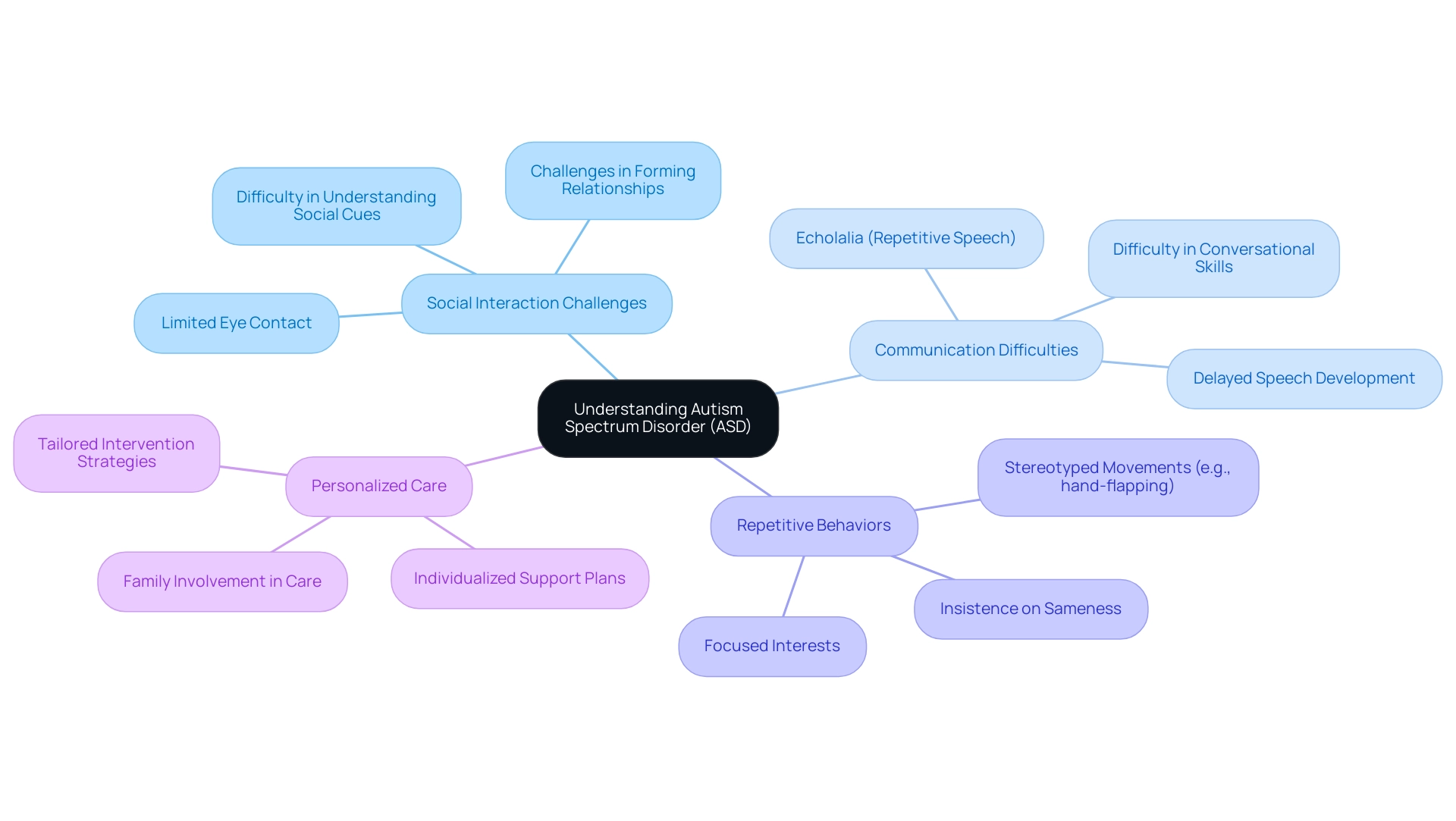
Autism Spectrum Disorder (ASD) is a neurodevelopmental condition characterized by challenges in social interaction, communication, and repetitive behaviors. It is termed a 'spectrum' because individuals with ASD can exhibit a wide range of symptoms and abilities. Understanding ASD is the first step toward effective support and advocacy. Parents should be aware that each individual with developmental differences is unique, and their experiences may vary significantly, which is why personalized approaches to care and intervention are essential.
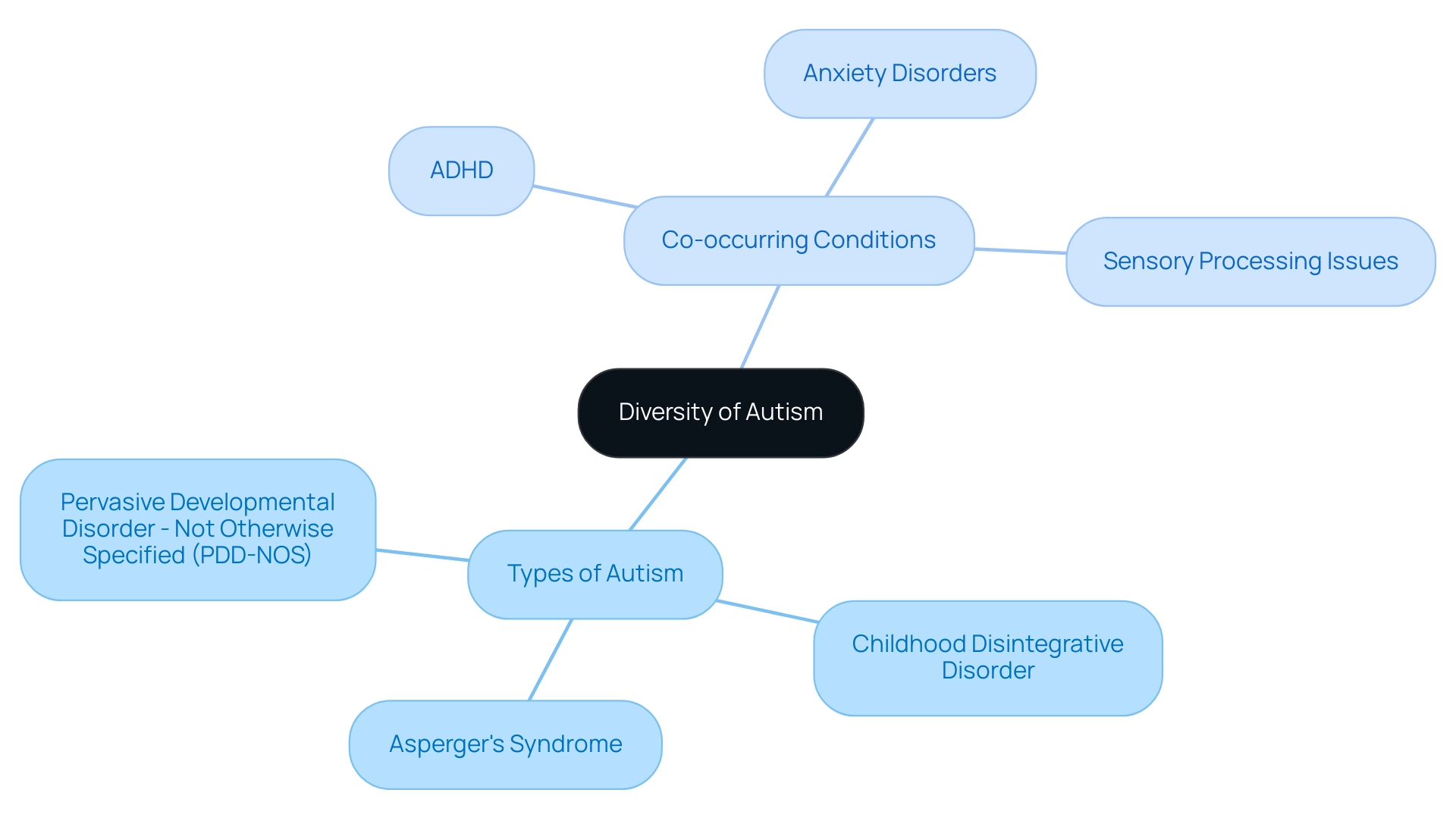
The Diversity of Autism: Types and Co-occurring Conditions
Autism is not a singular condition but encompasses various types, including:
- Asperger's syndrome
- Childhood disintegrative disorder
- Pervasive developmental disorder-not otherwise specified (PDD-NOS)
Additionally, many individuals on the spectrum may experience co-occurring conditions such as:
- ADHD
- Anxiety disorders
- Sensory processing issues
Recognizing these differences is vital for parents as they navigate treatment options and support services, ensuring that their offspring's unique needs are addressed holistically.
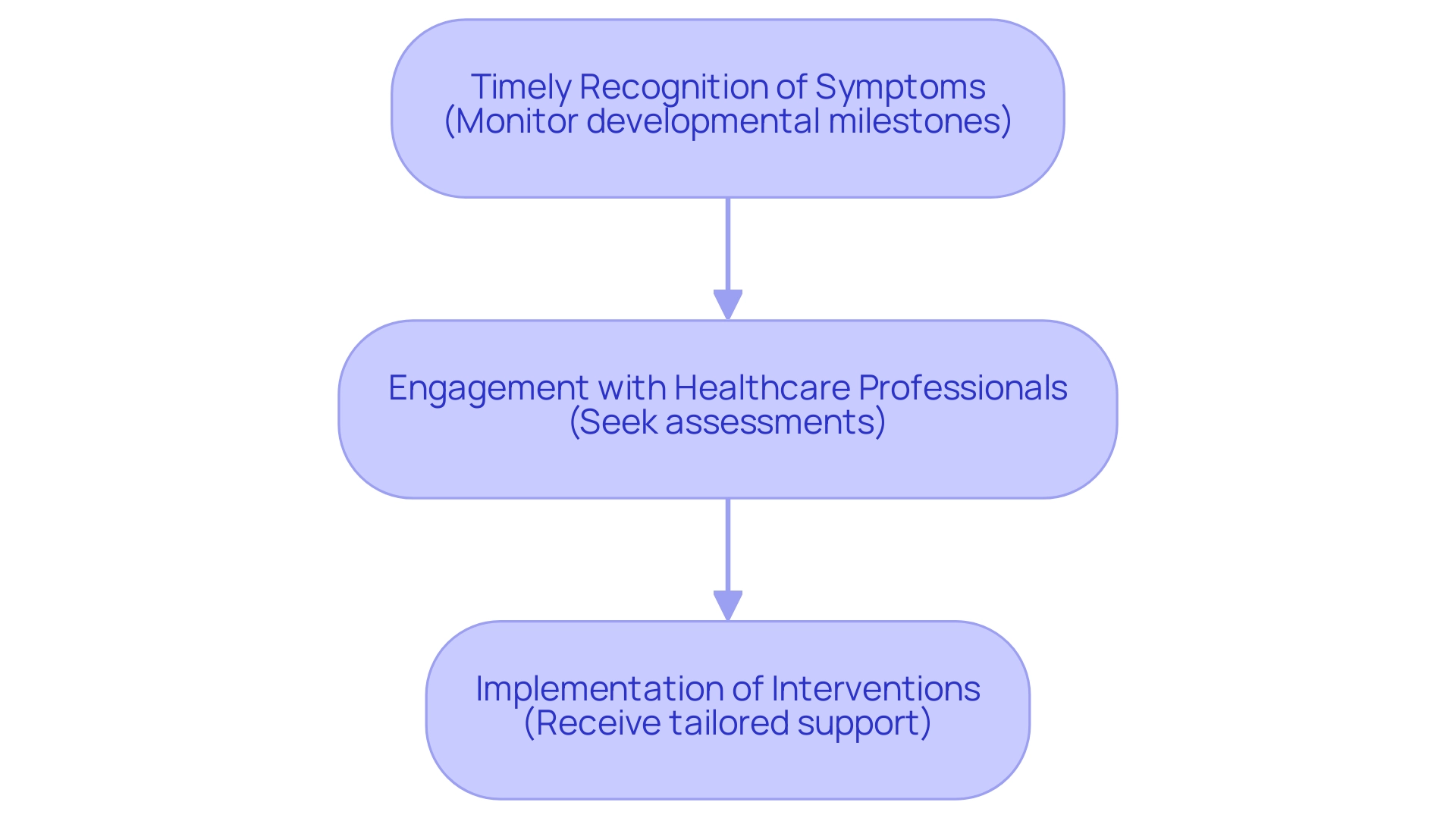
The Importance of Early Identification and Intervention in Autism
Timely recognition and assistance are essential in aiding youth with developmental disorders. Research indicates that young individuals who receive appropriate interventions at an early age often experience better outcomes in communication, social skills, and overall development. Indicators of the condition can usually be seen as early as 18 months, and parents should be attentive in tracking their offspring's developmental milestones. Engaging with healthcare professionals for assessments and interventions can provide young individuals with the tools they need to thrive and develop essential life skills.
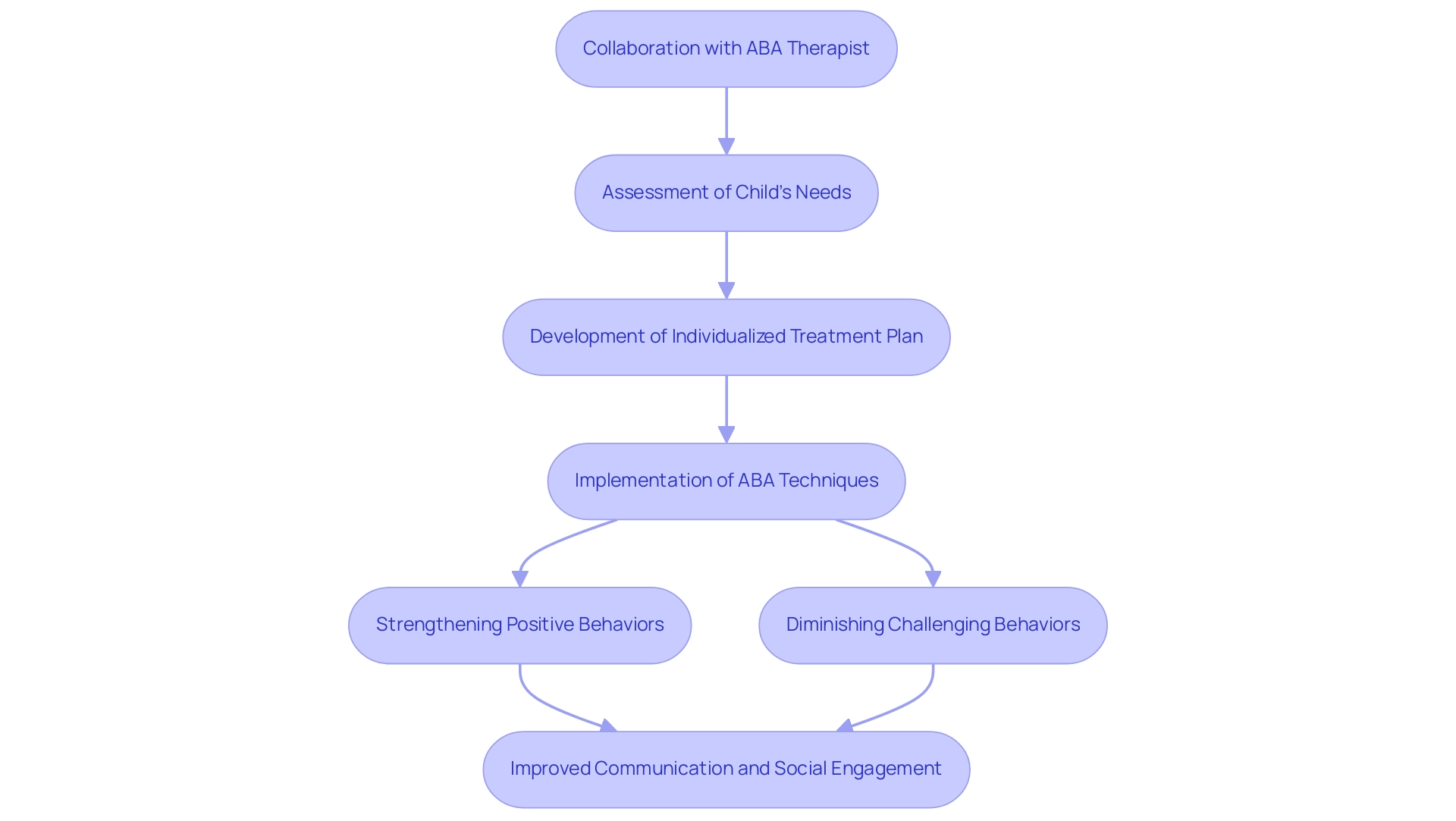
The Role of ABA Therapy in Supporting Children with Autism
Applied Behavior Analysis (ABA) is a highly effective therapy for individuals with autism, focusing on improving specific behaviors while teaching new skills. ABA therapy utilizes techniques to strengthen positive behaviors and diminish challenging ones, which can significantly improve a young person's ability to communicate, learn, and engage socially. Parents are encouraged to collaborate with qualified ABA therapists to develop individualized treatment plans that address their young one's unique challenges and strengths.
Navigating Support Services and Resources
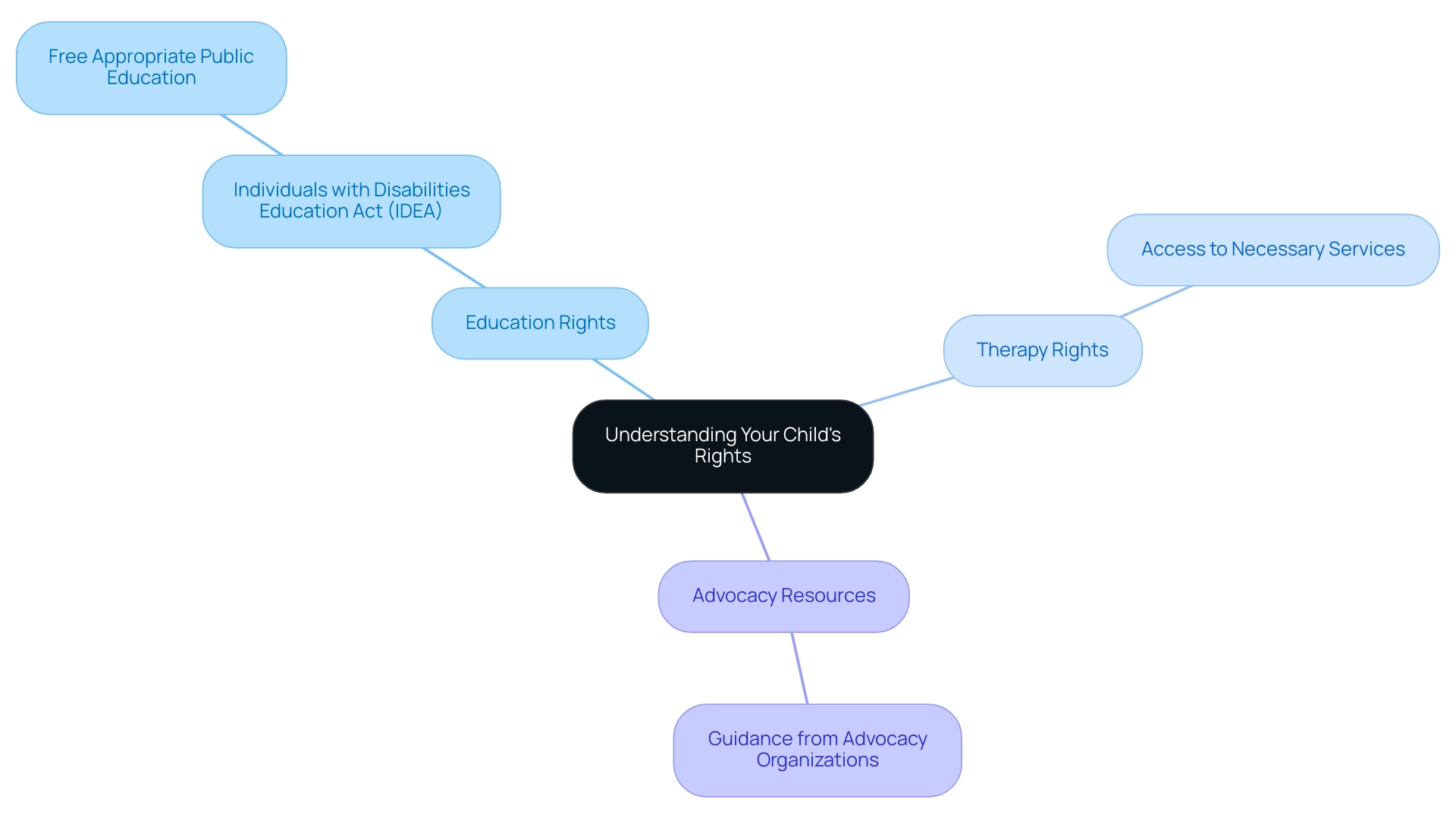
Navigating the terrain of assistance services for children with developmental disorders can be overwhelming. Parents should become acquainted with local resources, including:
- Special education services
- Assistance groups
- Community organizations dedicated to autism advocacy
Furthermore, online platforms and forums can offer valuable information and peer assistance. Engaging with other caregivers can also provide insights into effective strategies and resources that have been beneficial for them, creating a network that fosters empowerment and shared learning.
The Importance of Self-Care for Parents
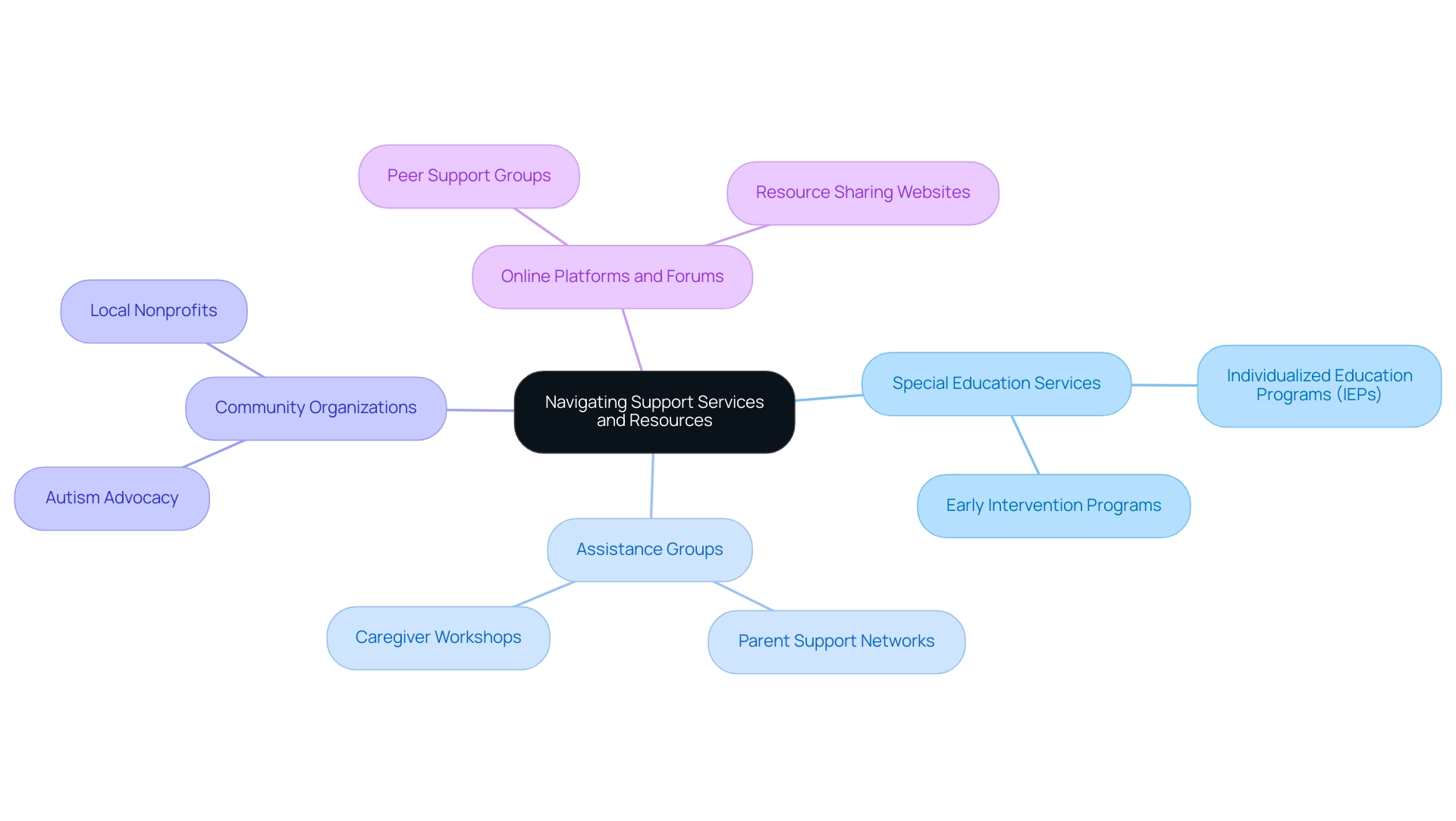
Self-care is essential for caregivers of children with autism, as the demands of caregiving can lead to stress and burnout. Parents should prioritize their mental and physical health by engaging in activities that bring them joy and relaxation, whether that be:
- Exercise
- Hobbies
- Connecting with friends
Establishing a support system, whether through family or community, can also provide the necessary breaks and encouragement needed to recharge. By taking care of themselves, guardians can be more present and effective in their roles.
Building a Supportive Community
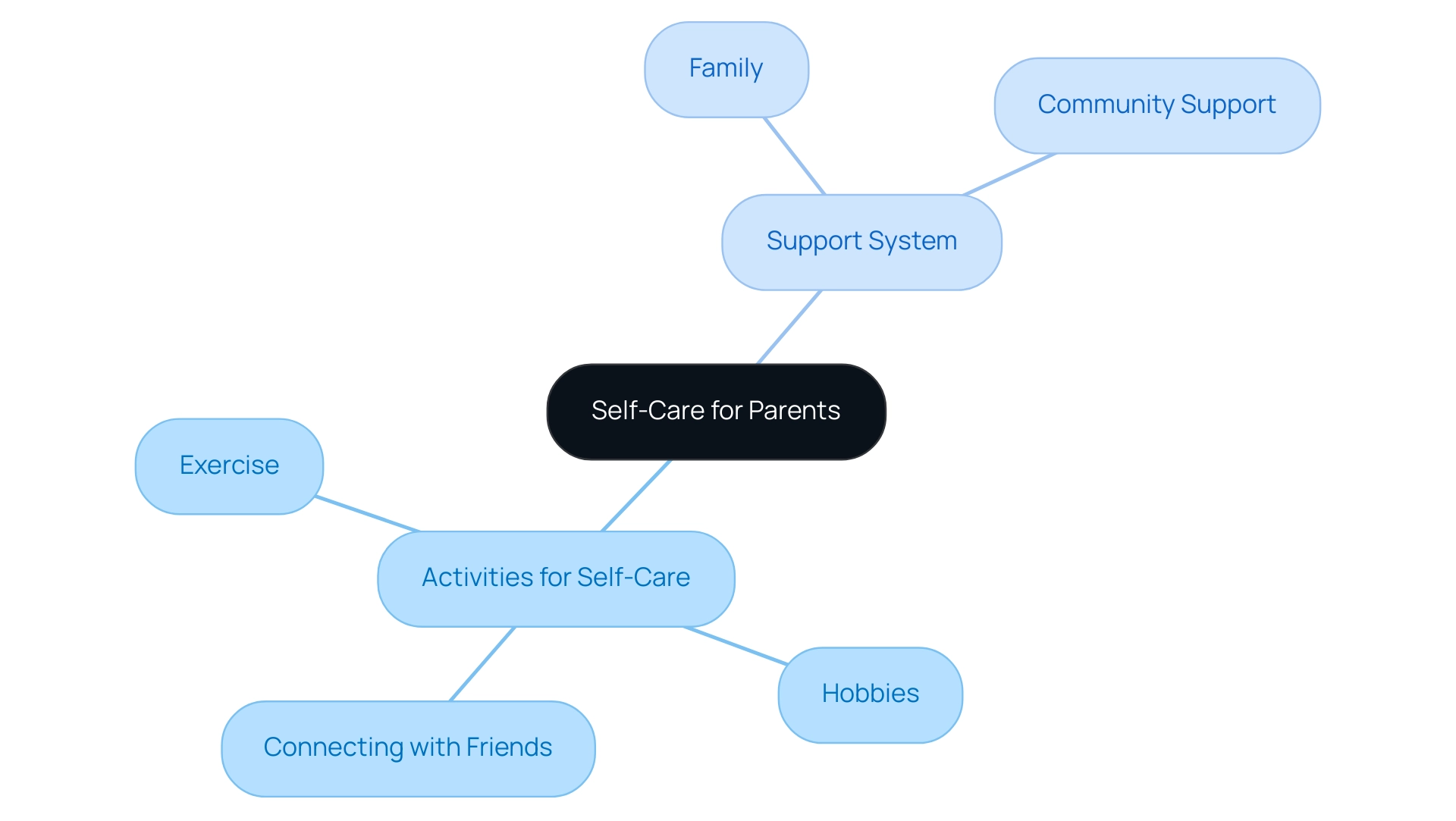
Creating a supportive community is essential for parents of children with developmental disorders. Engaging with local support groups, online forums, and social media communities can provide a sense of belonging and shared understanding. These networks offer opportunities to exchange experiences, strategies, and resources that can make a significant difference in navigating the challenges of autism. By fostering connections with other parents and professionals, families can create a collaborative environment that encourages growth and resilience.
Understanding Your Child's Rights
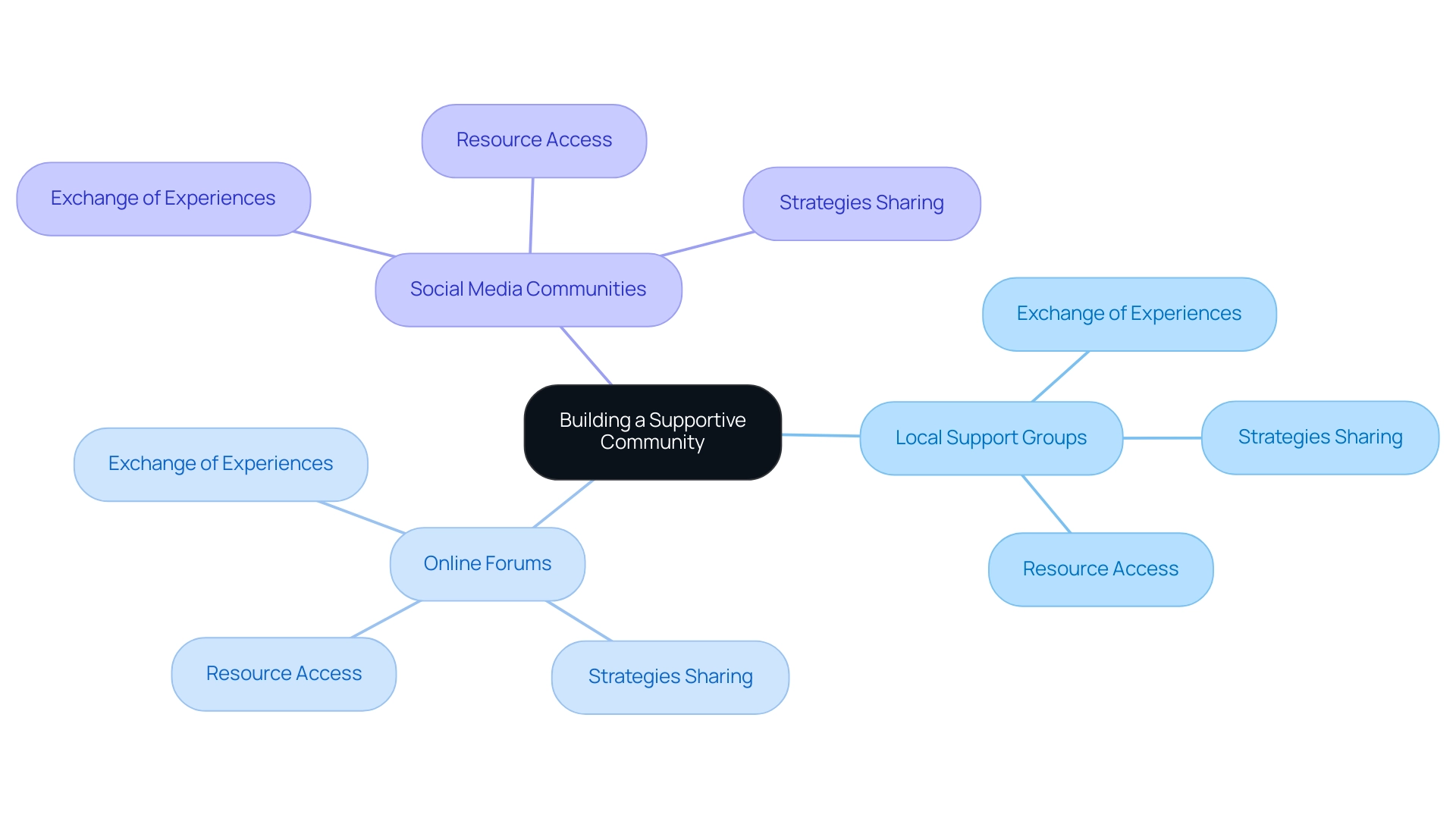
Parents must understand their offspring's rights regarding education and therapy. Under regulations like the Individuals with Disabilities Education Act (IDEA), individuals on the spectrum are entitled to free appropriate public education and access to necessary services. Acquainting themselves with these rights enables parents to advocate effectively for their offspring's needs, ensuring they receive the assistance and resources necessary for their development. Parents should not hesitate to seek guidance from advocacy organizations to navigate these complex systems.
Encouraging Social Skills Development
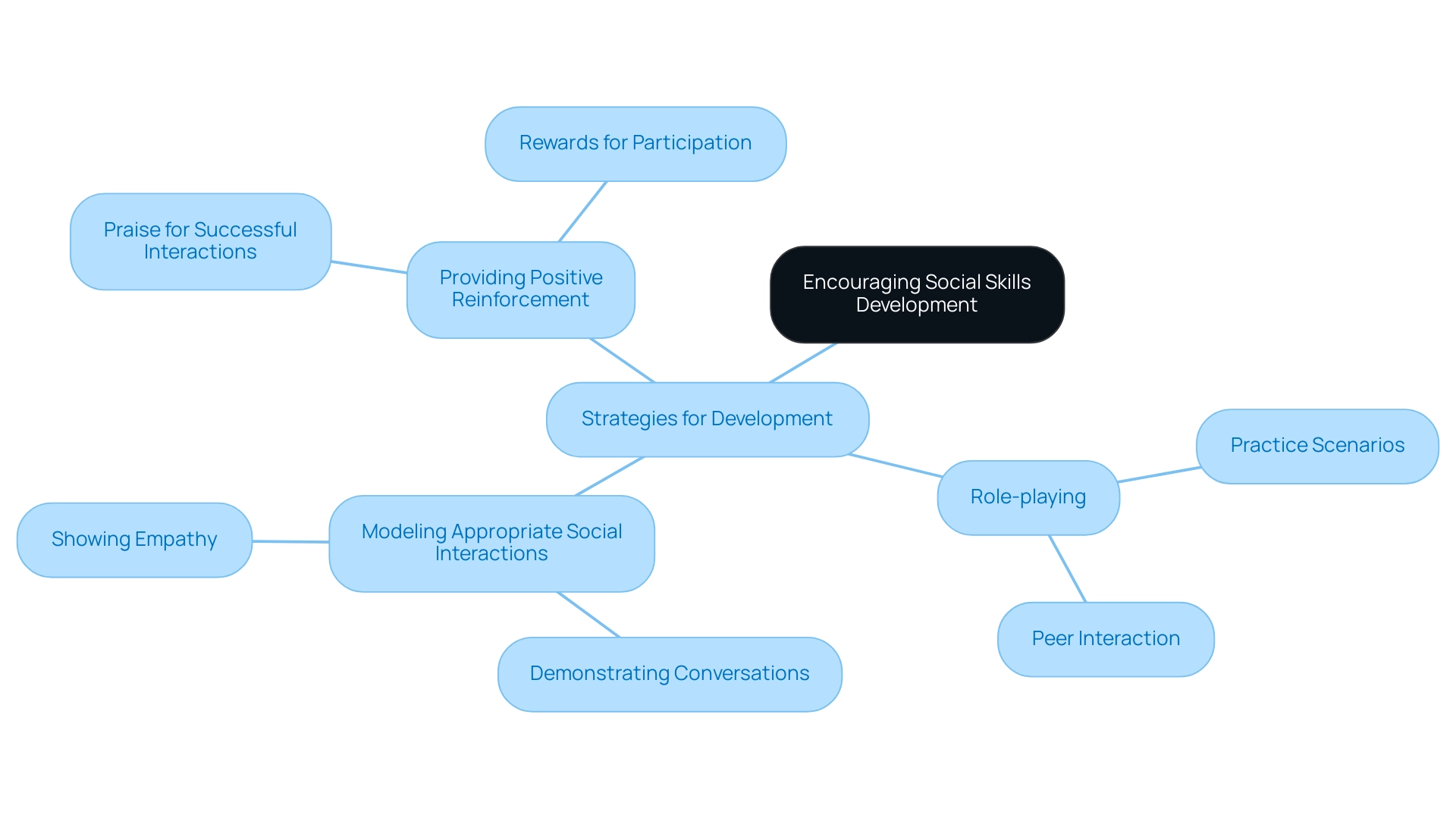
Social skills development is essential for individuals with autism to build meaningful relationships and navigate social situations. Parents can assist this development by creating opportunities for their offspring to engage with peers in structured settings, such as playdates or group activities.
- Role-playing
- Modeling appropriate social interactions
- Providing positive reinforcement for successful interactions
These strategies can also enhance social skills. By actively participating in their offspring's social development, caregivers can assist them in building confidence and enhancing their ability to connect with others.
Staying Informed: Continuous Learning and Resources
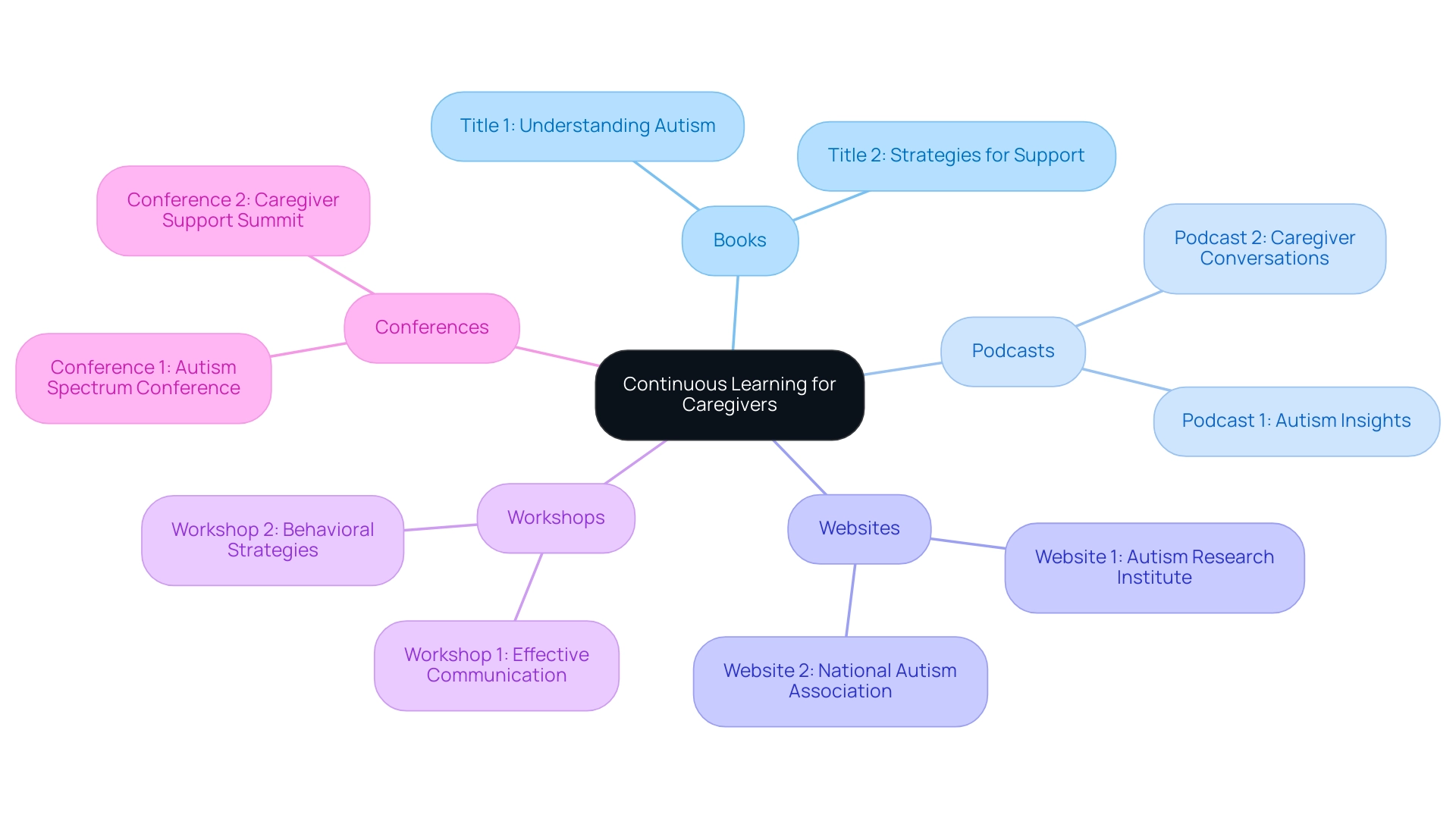
Remaining knowledgeable about the condition is essential for caregivers to effectively assist their children. Engaging with credible resources, such as:
- Books
- Podcasts
- Reputable websites dedicated to autism research
can provide valuable insights and strategies. Furthermore, attending workshops and conferences can enhance understanding and link caregivers with professionals in the field. By committing to continuous learning, parents can adapt their approaches and ensure they are providing the best possible support for their child's unique needs.
Conclusion
Understanding Autism Spectrum Disorder is the first step in empowering parents to advocate effectively for their children. The diverse nature of autism, including its various types and co-occurring conditions, highlights the necessity of personalized approaches to care and intervention. Early identification and intervention play a crucial role in improving developmental outcomes, while Applied Behavior Analysis (ABA) therapy offers targeted support that can foster essential skills.
As parents navigate the complex landscape of support services, the importance of building a strong community cannot be overstated. Connecting with local and online resources provides invaluable insights and encouragement, creating a network that nurtures resilience and shared learning. Furthermore, understanding children's rights under legislation like the Individuals with Disabilities Education Act (IDEA) equips parents to advocate for their child's educational and therapeutic needs effectively.
Ultimately, fostering social skills and committing to continuous learning are vital components in supporting a child with autism. By prioritizing self-care and staying informed, parents can cultivate a nurturing environment that encourages growth and empowerment. This journey may be challenging, but with the right knowledge, resources, and community, parents can champion their children's well-being and help them thrive.
Frequently Asked Questions
What is Autism Spectrum Disorder (ASD)?
Autism Spectrum Disorder (ASD) is a neurodevelopmental condition characterized by challenges in social interaction, communication, and repetitive behaviors. It is termed a 'spectrum' because individuals with ASD can exhibit a wide range of symptoms and abilities.
What are the different types of autism included in the spectrum?
The spectrum includes various types of autism, such as Asperger's syndrome, childhood disintegrative disorder, and pervasive developmental disorder-not otherwise specified (PDD-NOS).
What co-occurring conditions are commonly experienced by individuals with autism?
Many individuals on the autism spectrum may also experience co-occurring conditions such as ADHD, anxiety disorders, and sensory processing issues.
Why is timely recognition of ASD important?
Timely recognition and assistance are essential because young individuals who receive appropriate interventions at an early age often experience better outcomes in communication, social skills, and overall development.
At what age can indicators of ASD typically be observed?
Indicators of ASD can usually be seen as early as 18 months, which is why parents should track their child's developmental milestones closely.
What is Applied Behavior Analysis (ABA) and how does it help individuals with autism?
Applied Behavior Analysis (ABA) is a highly effective therapy for individuals with autism that focuses on improving specific behaviors while teaching new skills. It strengthens positive behaviors and diminishes challenging ones, enhancing communication, learning, and social engagement.
What resources should parents seek out for assistance with autism?
Parents should become acquainted with local resources such as special education services, assistance groups, and community organizations dedicated to autism advocacy. Online platforms and forums can also provide valuable information and peer support.
How can caregivers practice self-care while caring for a child with autism?
Caregivers should prioritize their mental and physical health by engaging in activities that bring them joy and relaxation, such as exercise, hobbies, and connecting with friends. Establishing a support system is also essential for recharging.
Why is community support important for parents of children with autism?
Creating a supportive community is essential as it provides parents with a sense of belonging and shared understanding. Engaging with local support groups and online communities allows for the exchange of experiences and resources, fostering growth and resilience.
What rights do individuals with autism have regarding education and therapy?
Under regulations like the Individuals with Disabilities Education Act (IDEA), individuals on the spectrum are entitled to free appropriate public education and access to necessary services. Understanding these rights enables parents to advocate effectively for their child's needs.
How can parents help their children develop social skills?
Parents can assist in social skills development by creating opportunities for their children to engage with peers in structured settings, employing strategies such as role-playing, modeling appropriate interactions, and providing positive reinforcement.
What should caregivers do to stay informed about autism?
Caregivers should engage with credible resources such as books, podcasts, and reputable websites dedicated to autism research. Attending workshops and conferences can also enhance their understanding and connect them with professionals in the field.


